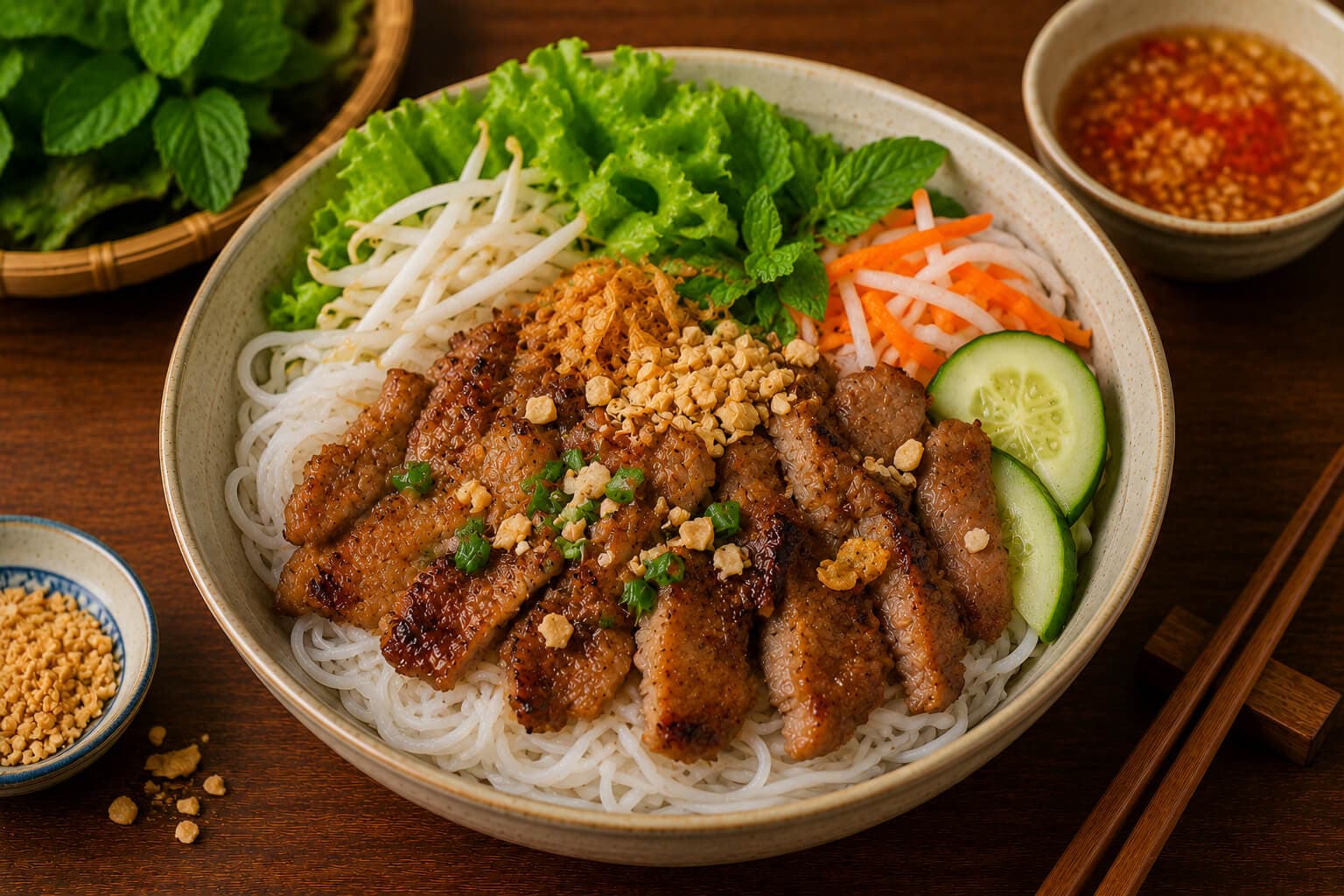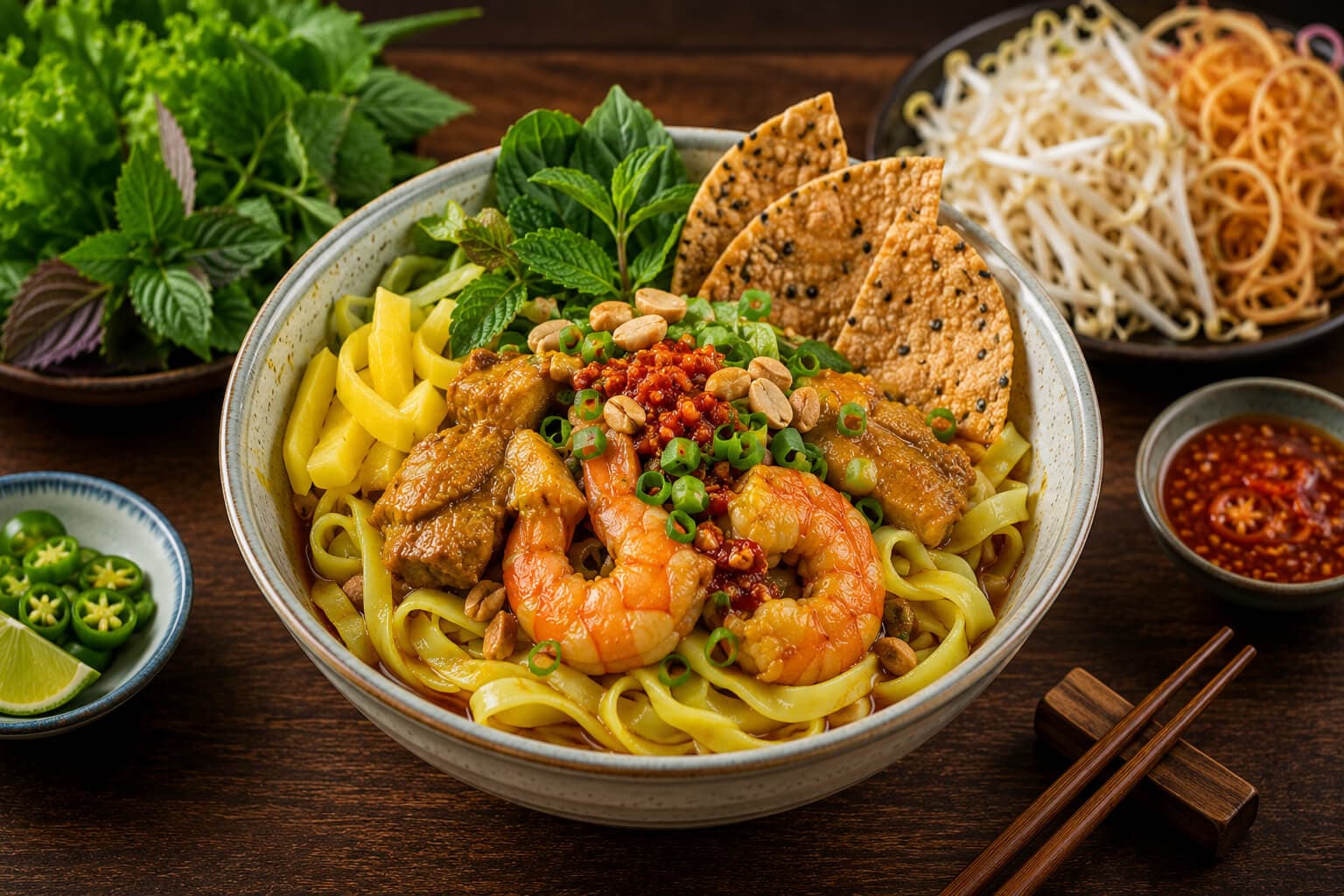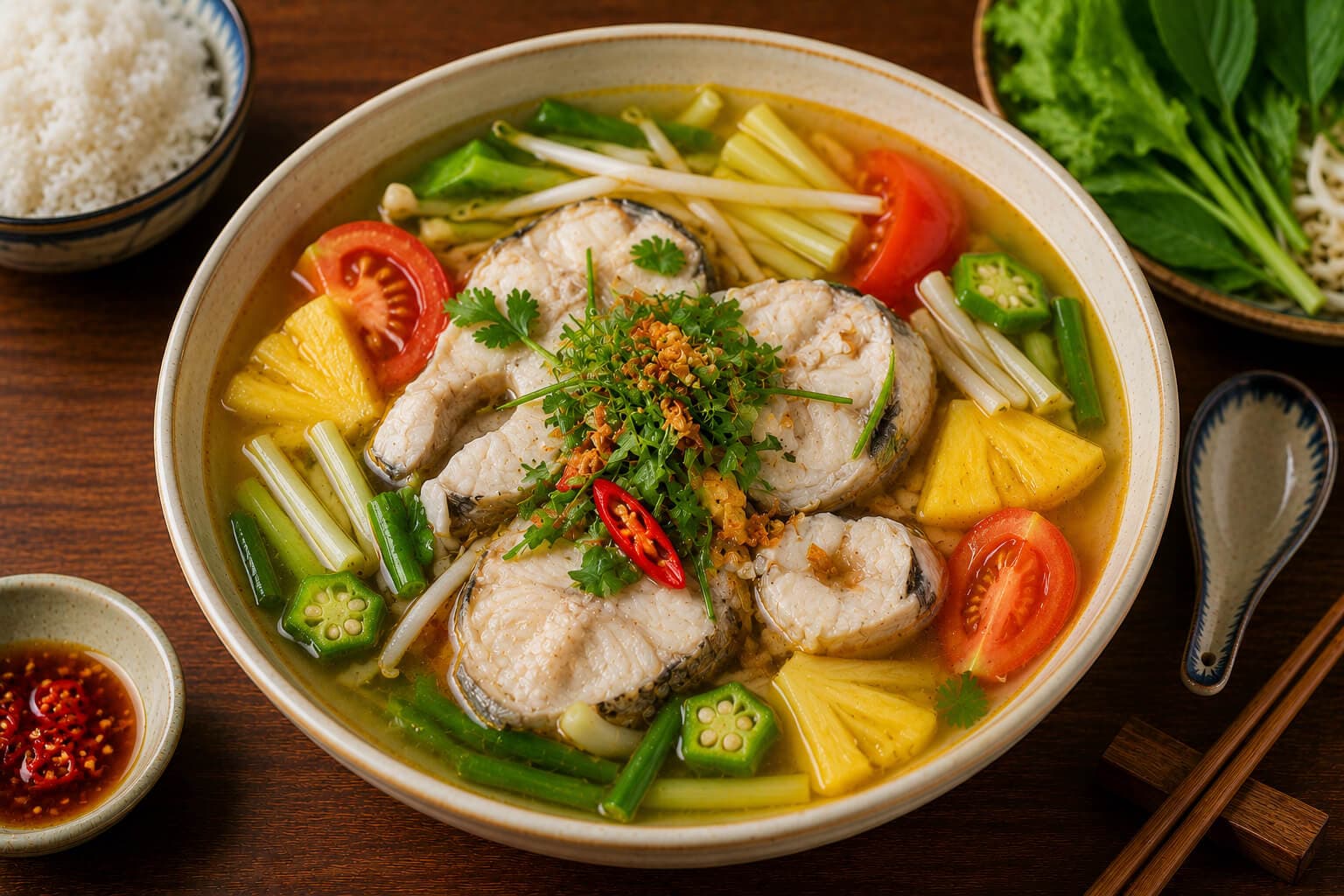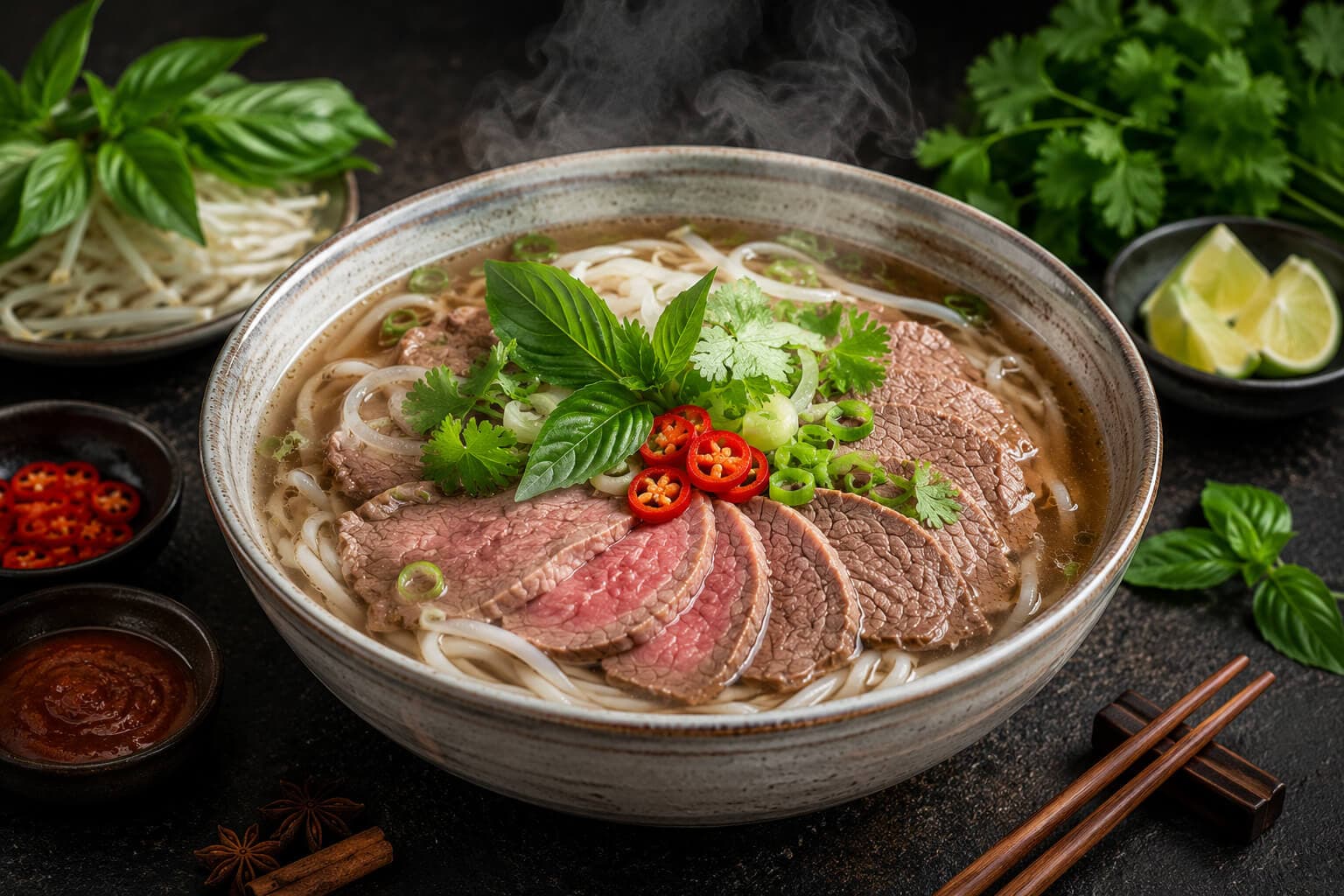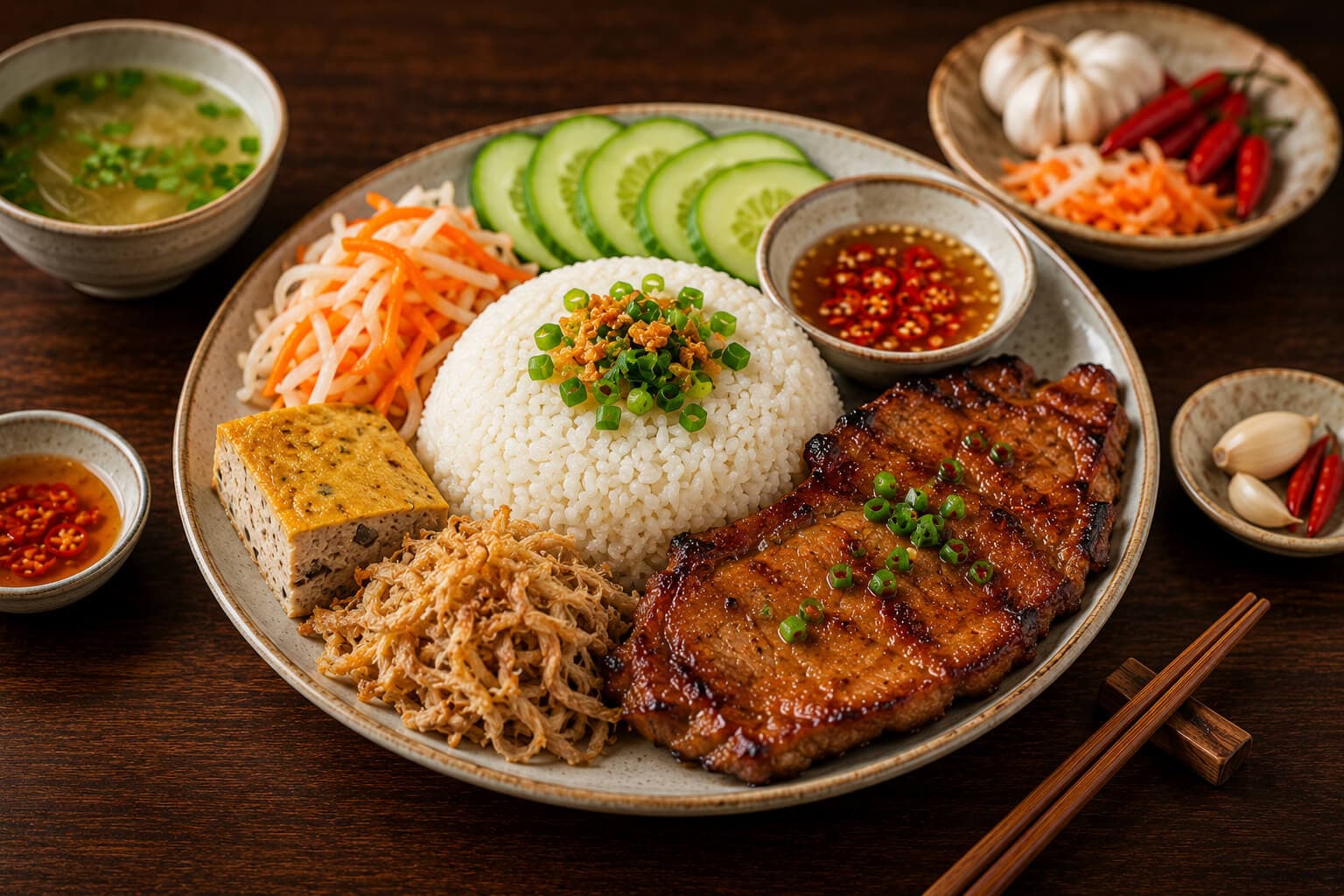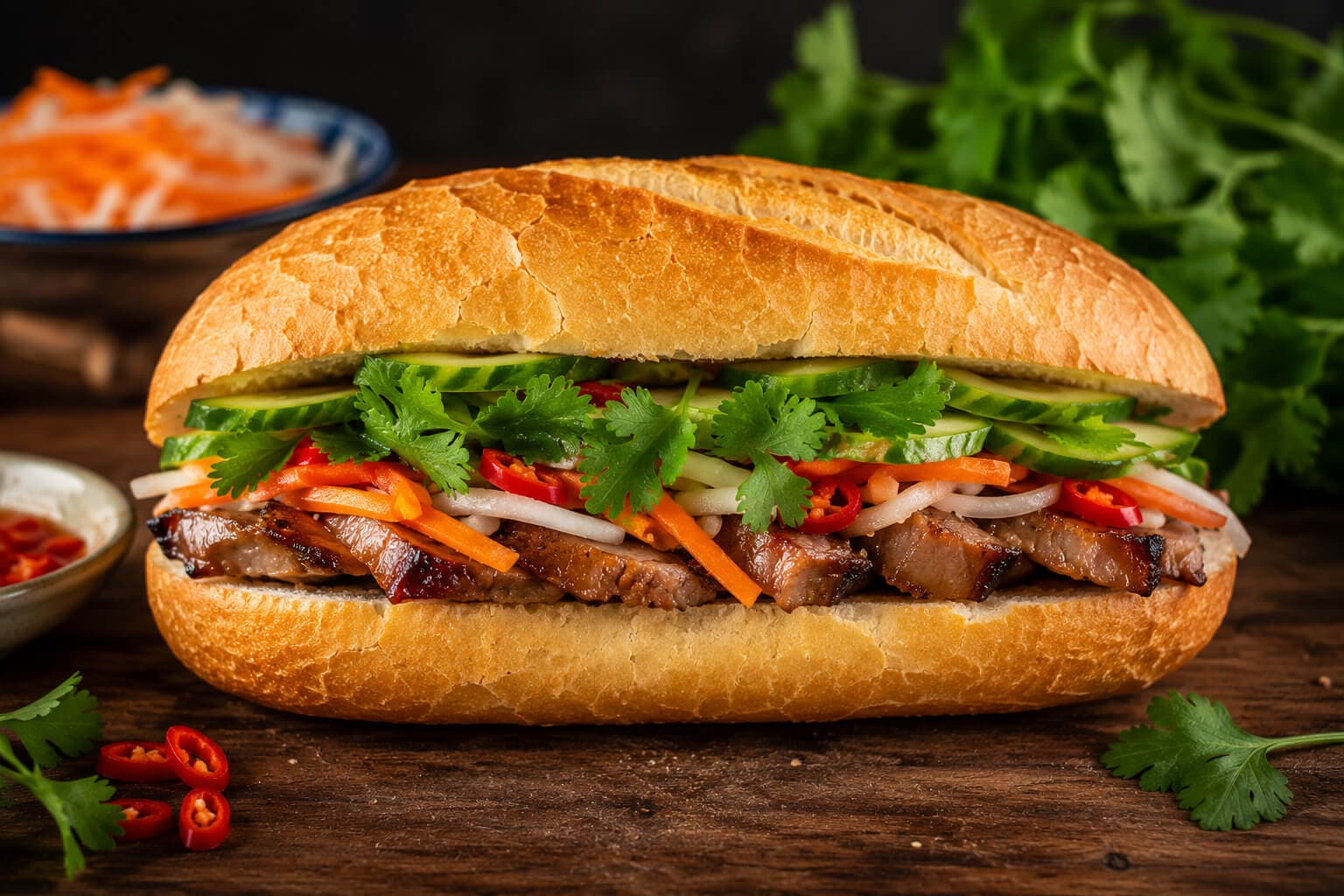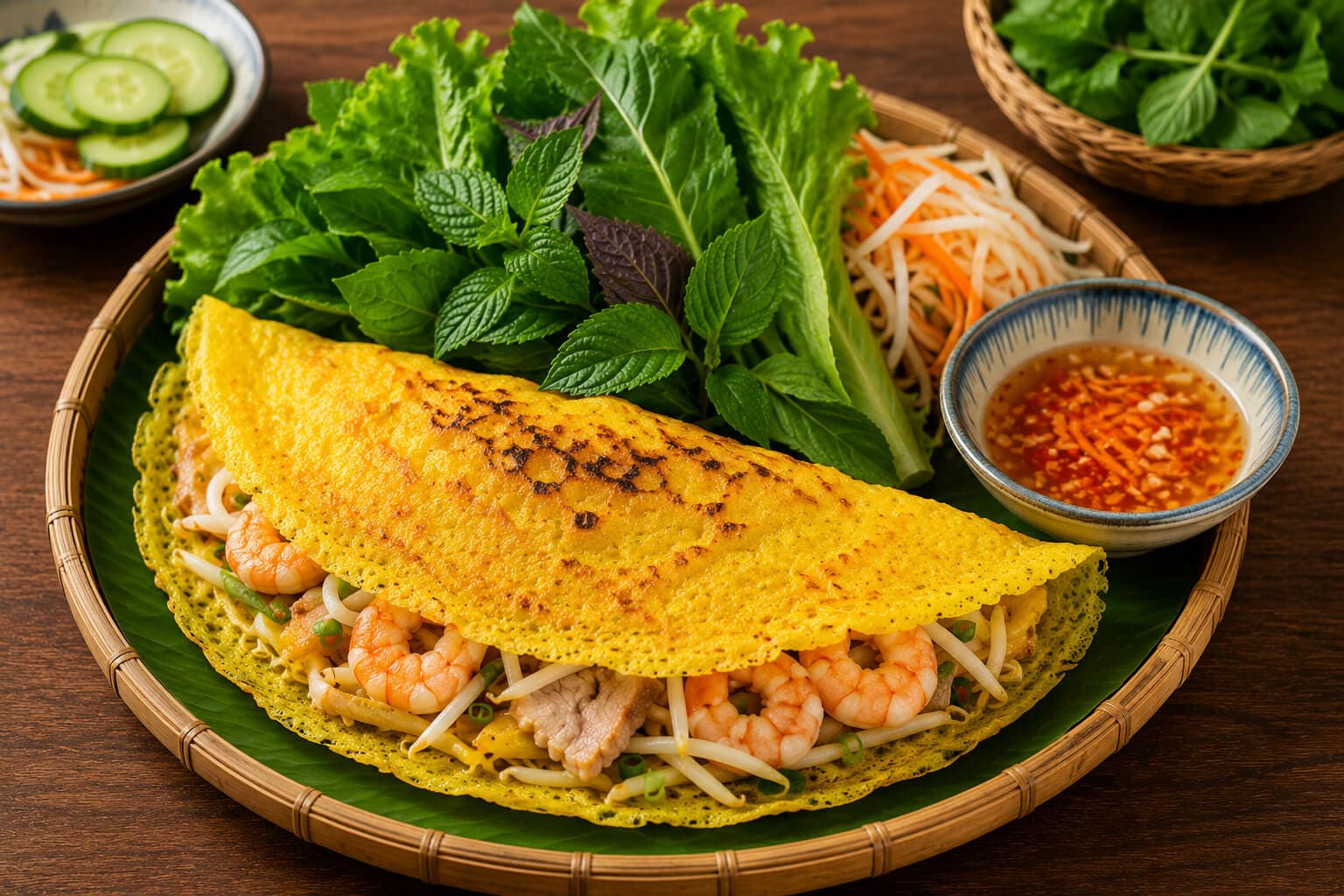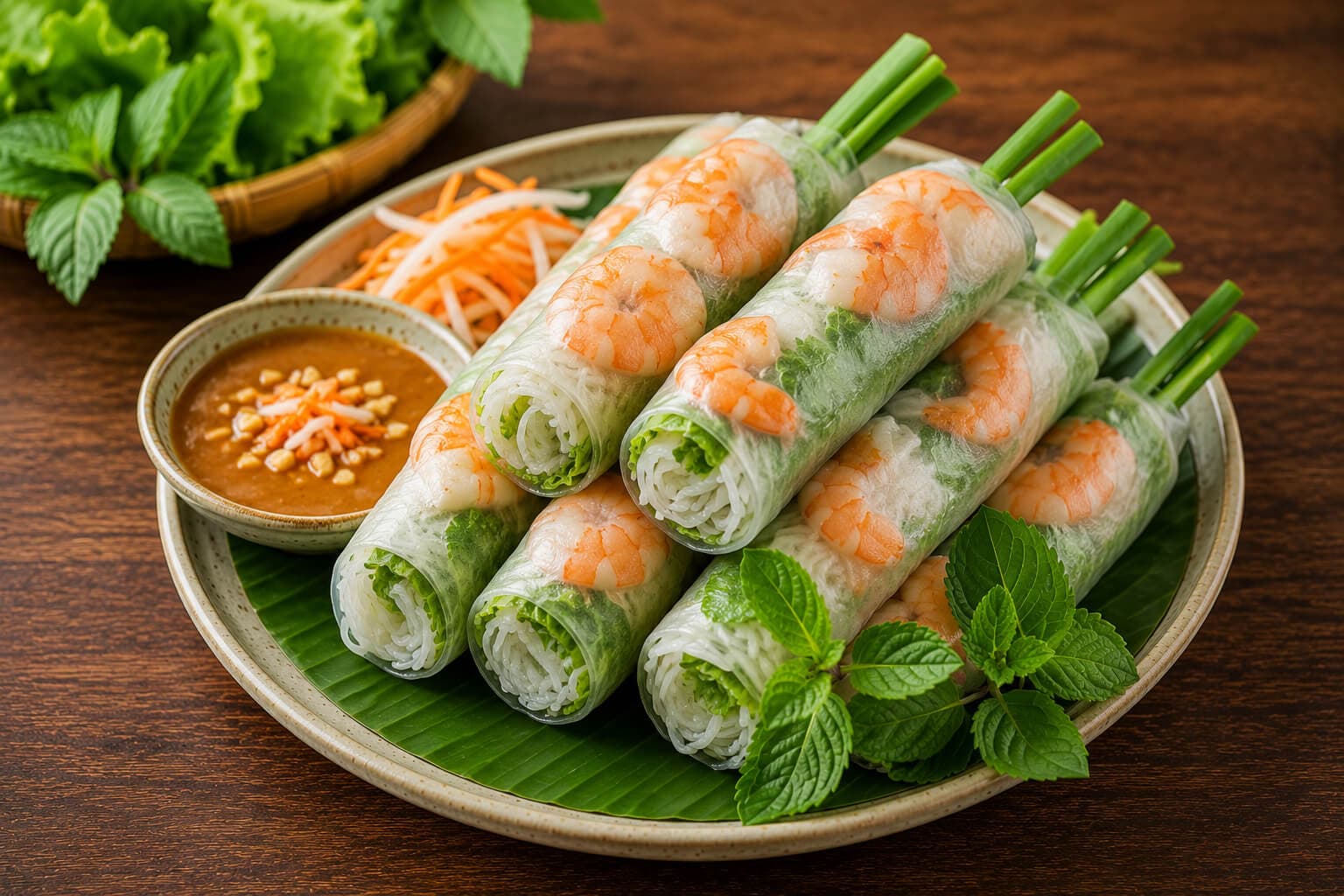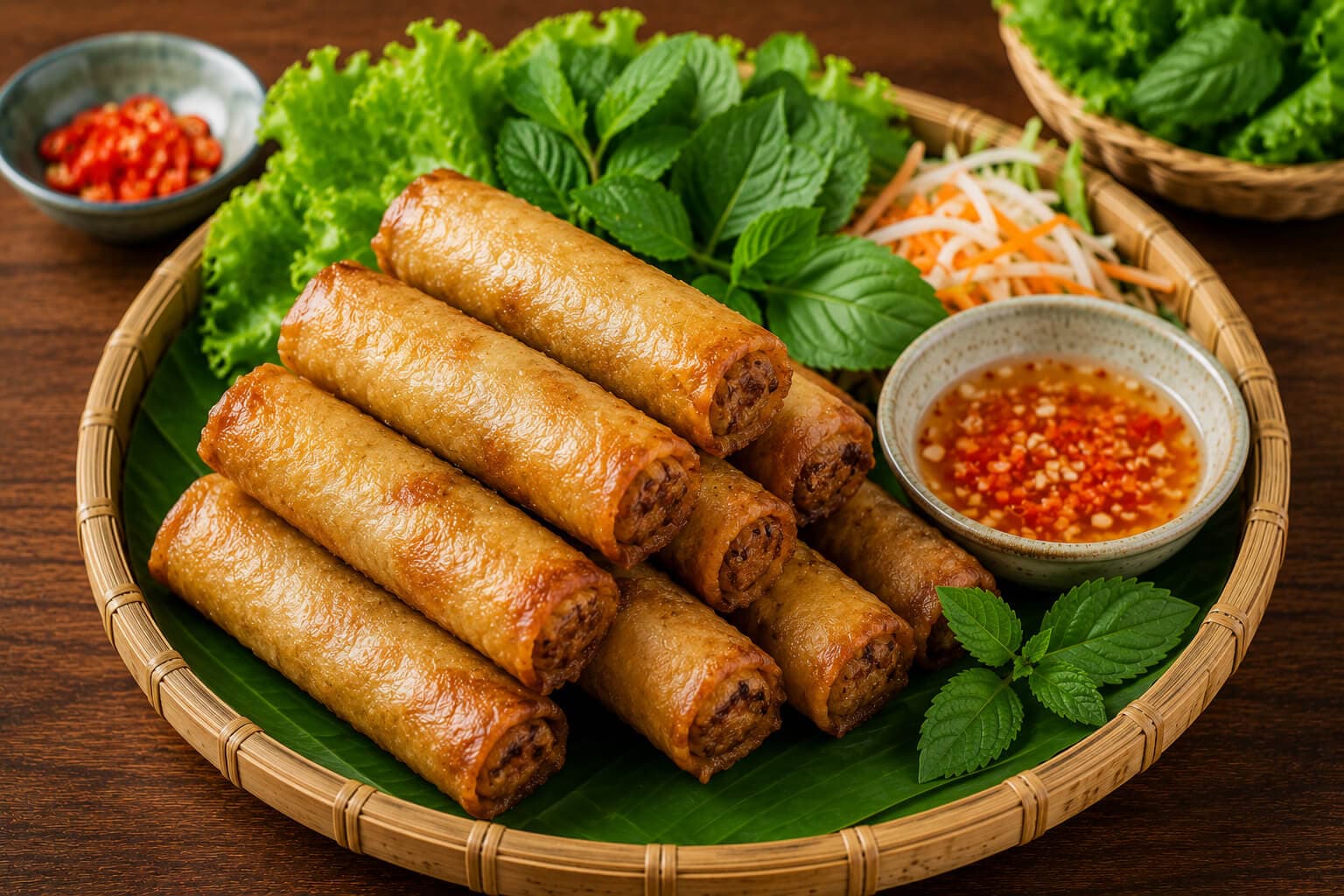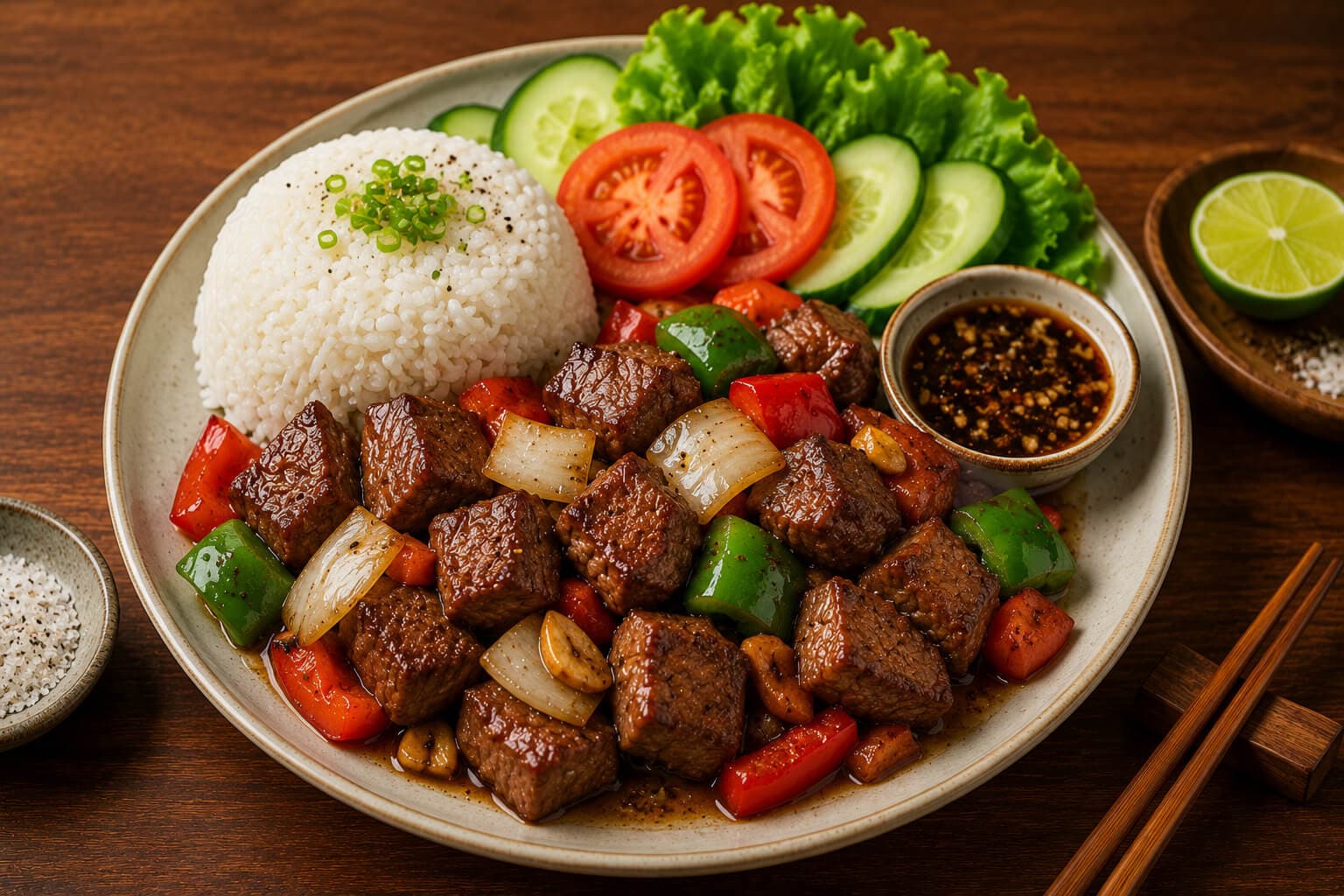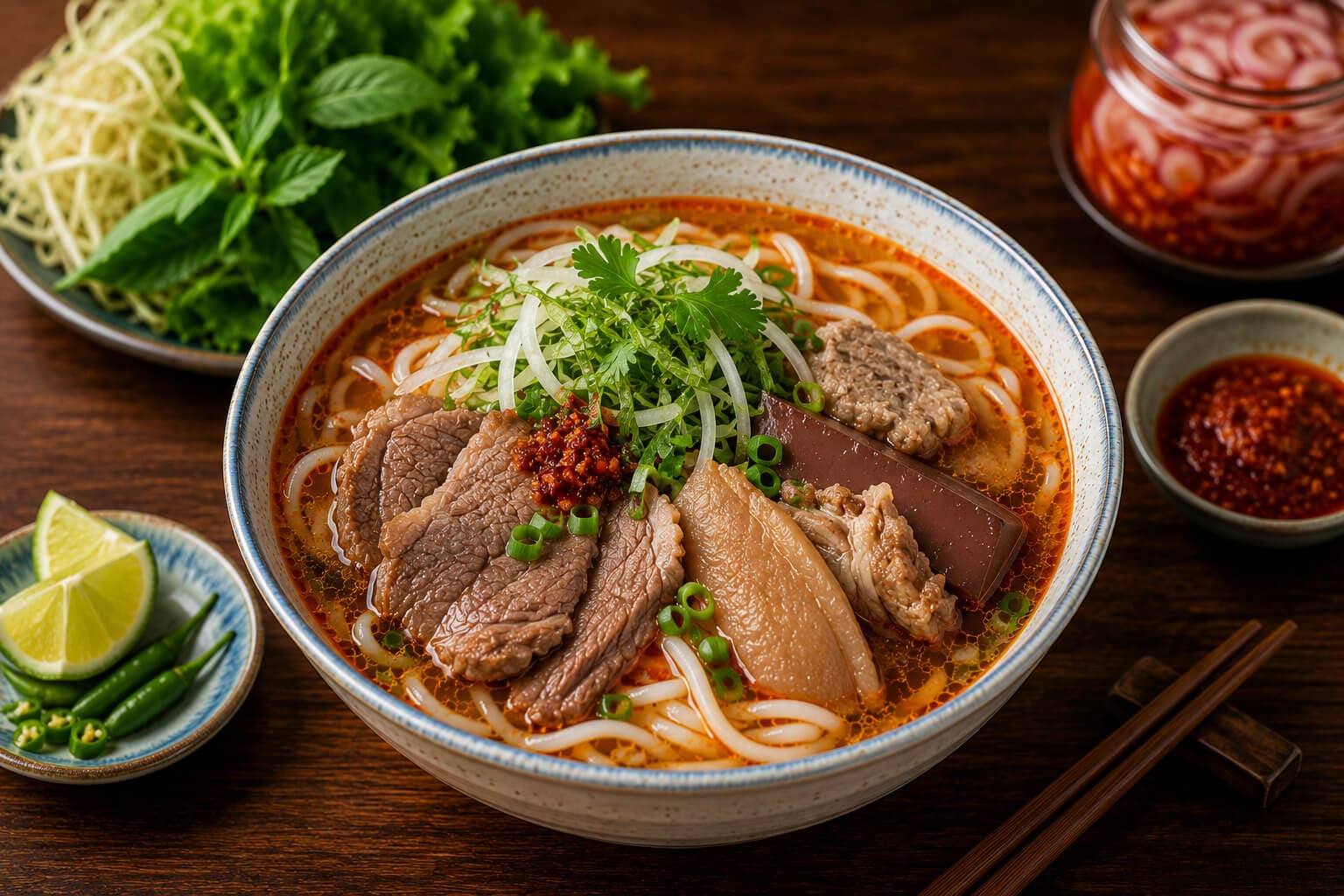
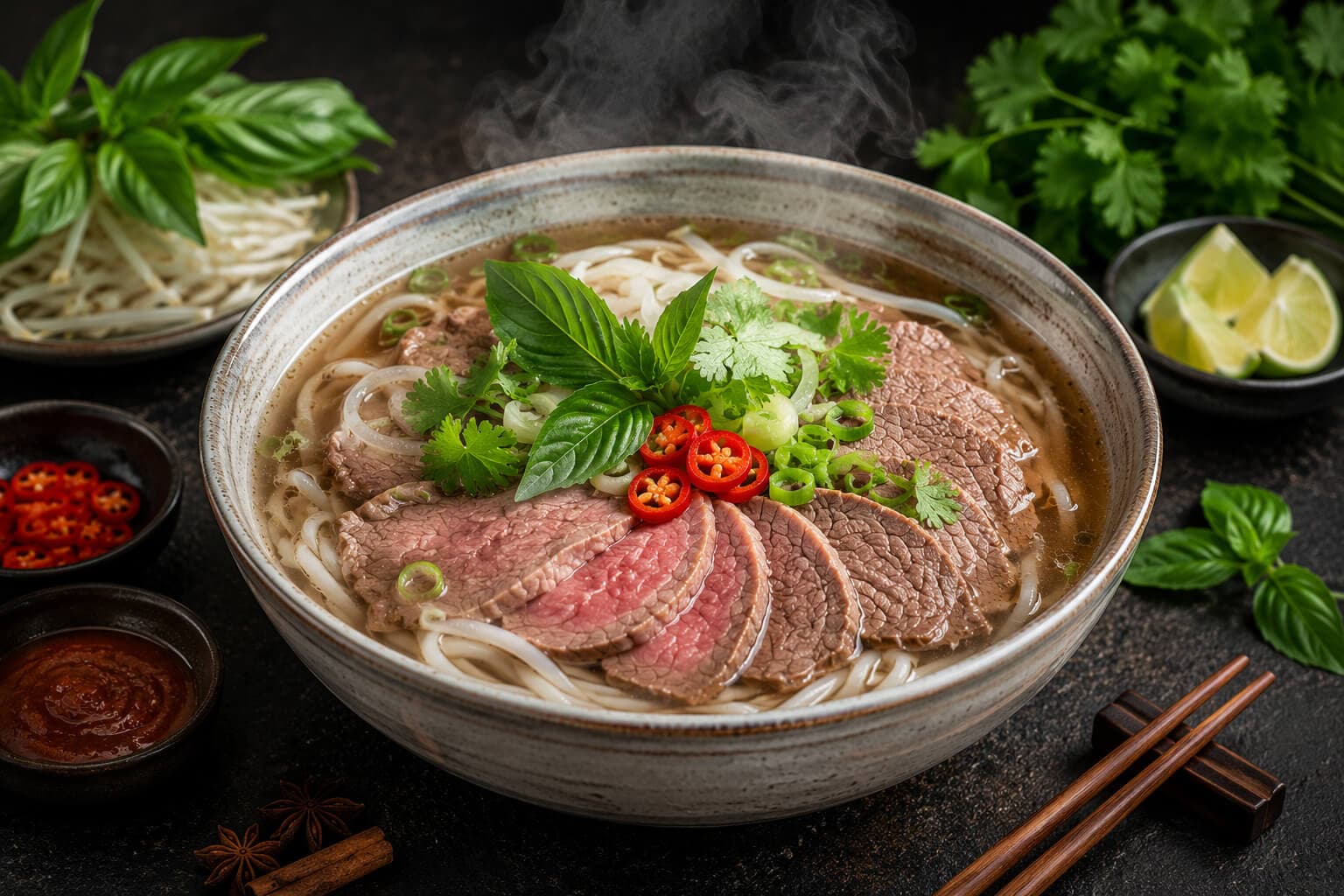
Garudhiya
The clear tuna broth at the heart of every Maldivian table
Local-island staple
From a morning plate of mas huni to a comforting bowl of garudhiya — 20 essential dishes, where to find them, and exactly what to order.
Click any dish for the full guide — what it is, how to eat it, where to try it, and ordering tips.
The clear tuna broth at the heart of every Maldivian table
Local-island staple
The everyday Maldivian tuna curry, rich with coconut milk
Widely available
Maldivian chicken curry, fragrant with coconut and island spices
Widely available
"Sea chicken" — a slow-cooked tuna curry full of flavour
Widely available
The Maldivian breakfast: shredded smoked tuna, coconut and chilli with roshi
Breakfast staple
The thick brown fish paste Maldivians eat with rice and roshi
Pantry essential
Crispy fried spiced reef fish or tuna — simple and addictive
Widely available
The thin unleavened flatbread that accompanies almost every meal
Daily staple
Grilled reef fish marinated in chilli paste — a beachside favourite
Widely available
Roshi flatbread stuffed with spiced tuna and grilled — the perfect snack
Tea-time short eat
A spring-roll pastry filled with egg, cabbage and tuna
Tea-time short eat
Round fried dumplings filled with tuna, coconut and onion
Tea-time short eat
Crisp pastry triangles filled with smoked fish and coconut — samosa-like
Tea-time short eat
Deep-fried savoury balls of fish, rice and lentils
Tea-time short eat
Deep-fried sweet banana fritters — a beloved tea-time treat
Tea-time short eat
Sweet rice pudding with coconut milk and rosewater
Festive favourite
Griddle and steamed flatbreads and savoury buns
Tea-time short eat
A savoury baked spiced fish cake — a centrepiece for gatherings
Festive favourite
Smoked and cured tuna — the umami backbone of Maldivian cooking
Pantry essential
Sweet sago-and-coconut-milk pudding — the classic Maldivian dessert
Festive favourite
Our Maldives specialists can build a food-focused itinerary around the dishes, islands and resorts that suit your group.
Mas huni is the perfect starting point — the national breakfast of shredded smoked tuna, grated coconut, onion and chilli, eaten with warm roshi flatbread and sweet tea. After that, try garudhiya (a clear, comforting tuna broth served with rice and lime) and mas riha (the everyday coconut tuna curry). All three are mild, satisfying and quintessentially Maldivian.
Maldivian cuisine is heavily tuna-based, so traditional dishes are rarely vegetarian. However, vegetarians are very well looked after in practice: Malé and Hulhumalé have Indian and vegetarian eateries, and resorts and guesthouses readily prepare vegetarian and Jain meals on request. Coconut, breadfruit, taro and tropical fruit feature in some local dishes. Always let your kitchen know your requirements in advance.
Generally yes — most Maldivian food is freshly cooked and the fish is just-caught. Resort and guesthouse kitchens maintain good standards. Stick to bottled or filtered water (tap water is desalinated and not always to taste), and ease in gently over the first couple of days. Hot, freshly cooked dishes are the safest choice anywhere.
Maldivians do enjoy chilli, but most dishes are moderate rather than fiery — and milder than much Indian food. The famous "island heat" comes from fresh chillies served on the side, so you control how much you add. For Indian palates used to spice, Maldivian food will generally feel pleasantly balanced.
On local islands and in Malé/Hulhumalé, a casual meal is modest — roughly $5–$15 per person — and guesthouses often include meals or offer half- or full-board. On resort islands, dining is part of your package (half-board, full-board or all-inclusive), and à la carte or premium restaurants cost more. Resorts price in US Dollars; the local currency is the Maldivian Rufiyaa (MVR).
Start your day with mas huni and roshi at a local café, try a clear bowl of garudhiya, and snack on "short eats" (hedhikaa) such as gulha, bajiya and masroshi with a glass of sweet tea. For a fuller meal, mas riha (tuna curry) with rice and roshi is the classic.
Hulhumalé's cafés serve the same Maldivian favourites as Malé — mas huni, garudhiya, mas riha and a wide spread of short eats — alongside plenty of Indian and international options. Finish with a Maldivian sweet such as saagu bondibai (sago and coconut pudding) or dhonkeyo kajuru (banana fritters).
Yes — most resorts feature Maldivian dishes on their buffets and à la carte menus, and many host a dedicated "Maldivian night". It is a great way to try garudhiya, mas riha, fihunu mas (grilled chilli fish) and local desserts without leaving your island. Resort kitchens will also prepare vegetarian and Jain meals on request.
Hedhikaa are the savoury and sweet snacks Maldivians enjoy with tea. The classics include gulha (fried tuna dumplings), bajiya (samosa-like fish pastries), masroshi (tuna-stuffed flatbread), bis keemiya (egg-and-tuna rolls) and kavaabu (fish-and-lentil fritters). They are inexpensive, moreish and found at cafés across the islands.
Tuna is the heart of Maldivian cuisine — fresh, smoked (valhomas) or as a thick paste (rihaakuru) — alongside coconut and the starches rice and roshi flatbread. Almost every traditional dish is built around some combination of these island staples.