Sweet banana dumplings, deep-fried golden — a Maldivian teashop treat.
Explore the Dish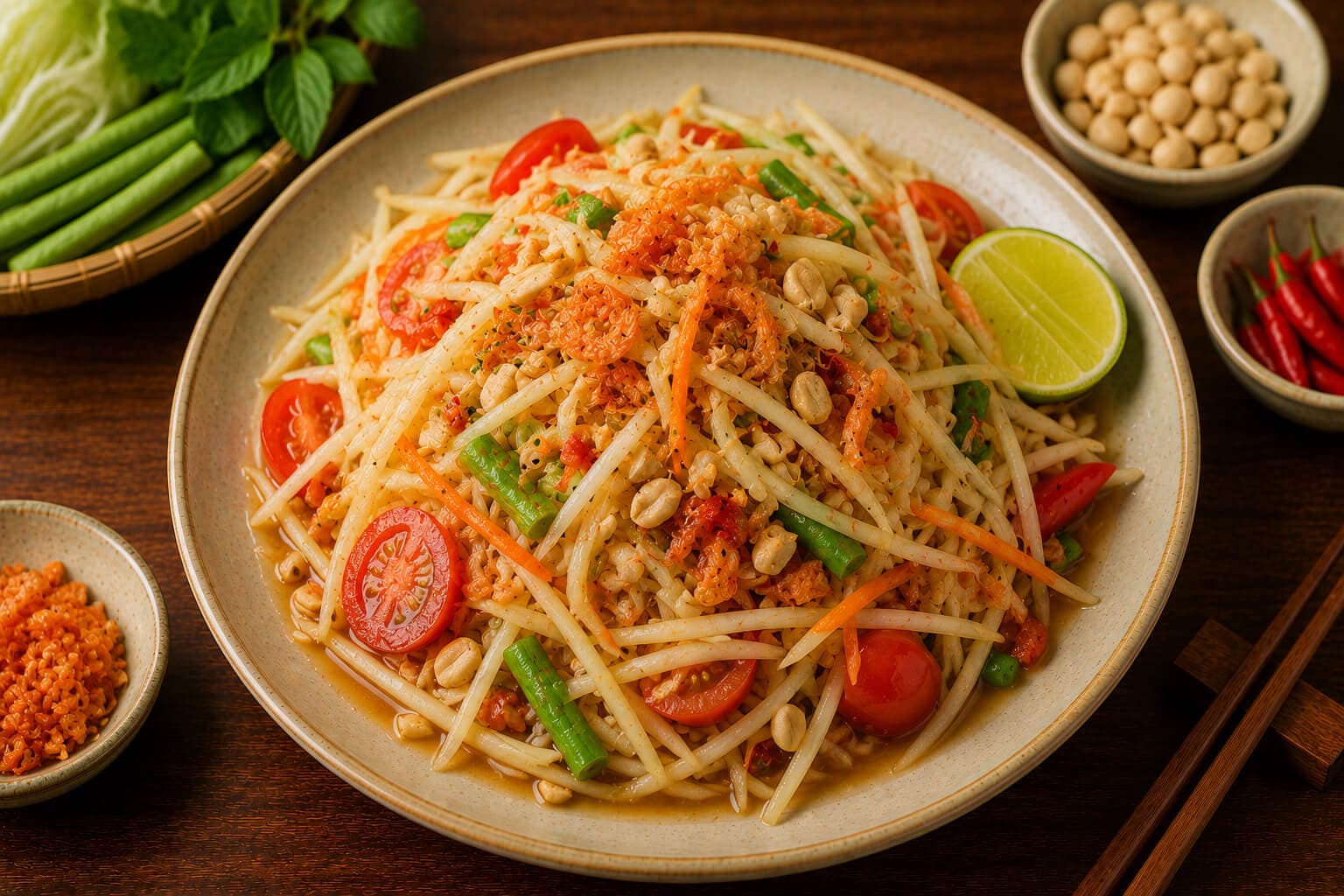
Dhonkeyo Kajuru is a beloved Maldivian sweet snack — deep-fried dumplings or fritters made from mashed ripe banana, rice flour, grated coconut and sugar, fried until golden and crisp outside and soft within. Sweet and moreish, they are a classic teashop treat eaten with tea.
To make dhonkeyo kajuru, ripe bananas are mashed and mixed with rice flour, freshly grated coconut and sugar (and sometimes a touch of cardamom) into a thick batter or dough. Spoonfuls or small shaped pieces are then deep-fried until they turn deep golden, with a crisp exterior giving way to a soft, sweet, banana-rich centre. The natural sweetness of the banana, deepened by frying, is the heart of their appeal.
These little fritters belong to the world of Maldivian short eats (hedhikaa) that fill teashop cabinets, but on the sweet side alongside huni folhi. They are especially popular as an afternoon treat with milky tea, and appear at Ramadan iftars and family gatherings. For Indian visitors they will recall a sweet banana pakora, goli baje or a coconut-banana fritter — familiar, comforting and naturally vegetarian. They are fully halal, made with no pork or alcohol.
Dhonkeyo kajuru grew from the abundance of bananas and coconut on Maldivian islands and the teashop tradition of turning everyday produce into sweet fried snacks for tea time. It is a simple, thrifty treat that has stayed a favourite for generations.
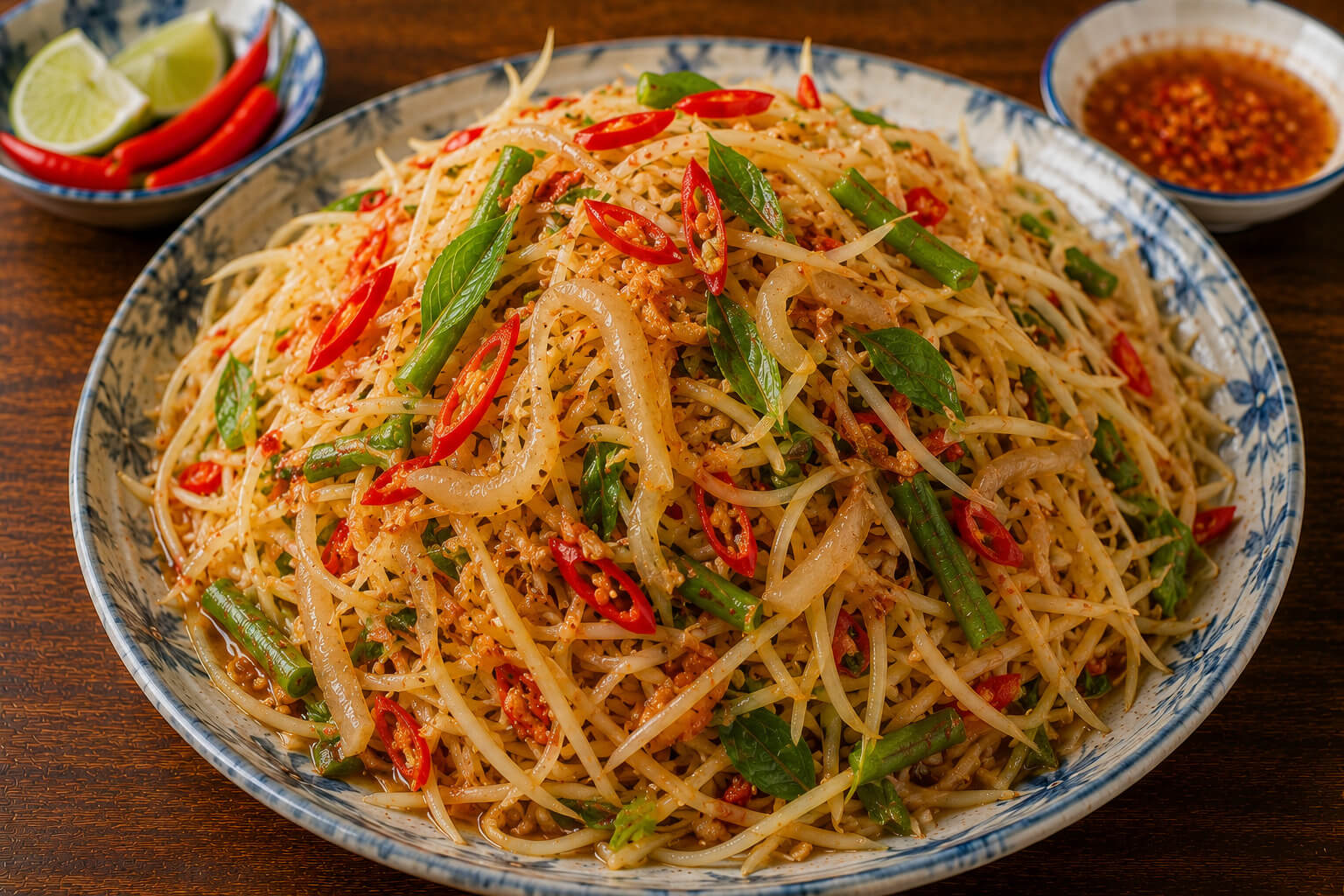
Dhonkeyo Kajuru
The standard version — mashed ripe banana, rice flour, grated coconut and sugar, deep-fried into golden dumplings, crisp outside and soft within.
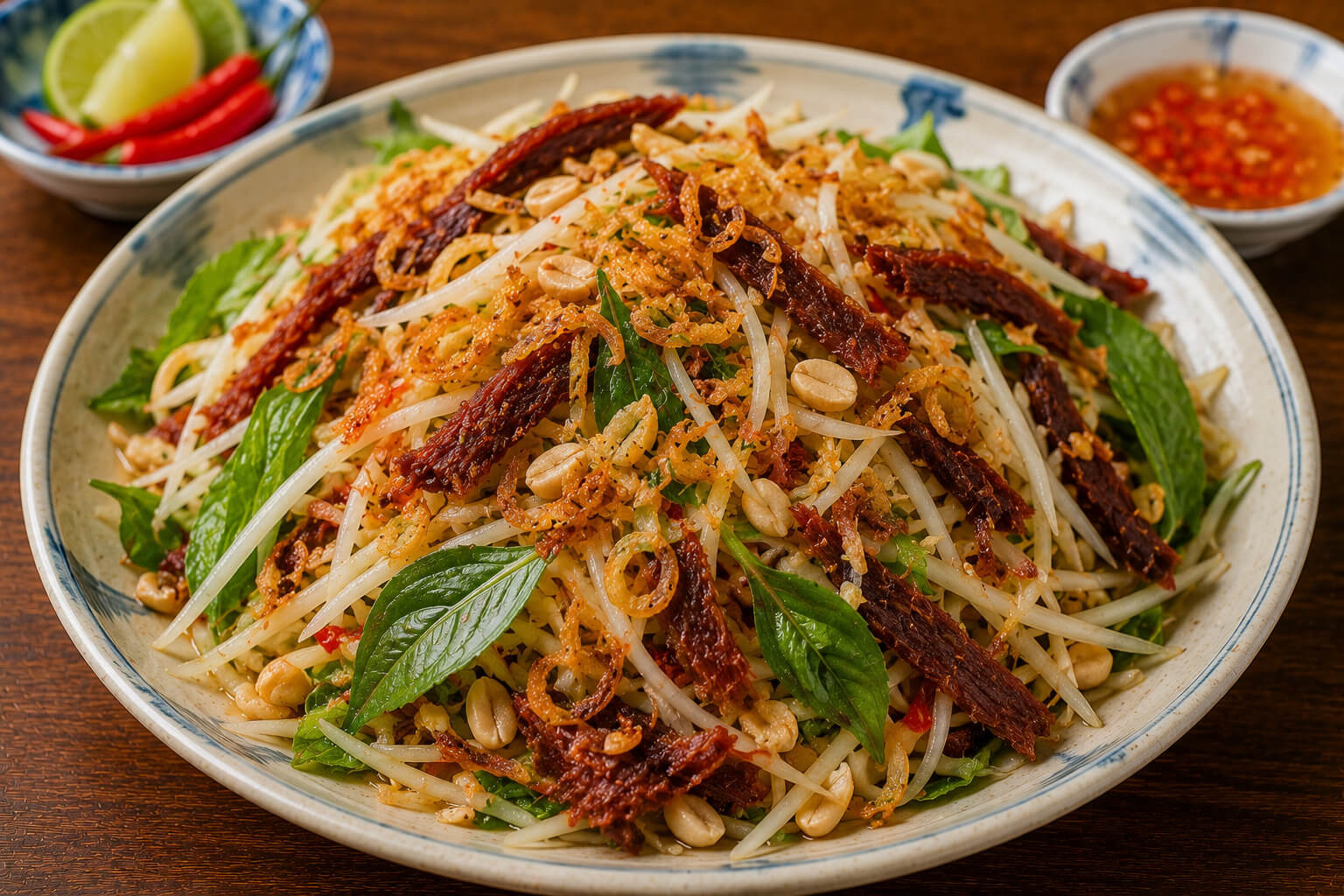
Spiced Dhonkeyo Kajuru
A version scented with a little cardamom in the batter for extra fragrance. Popular where cooks like a more aromatic sweet fritter.
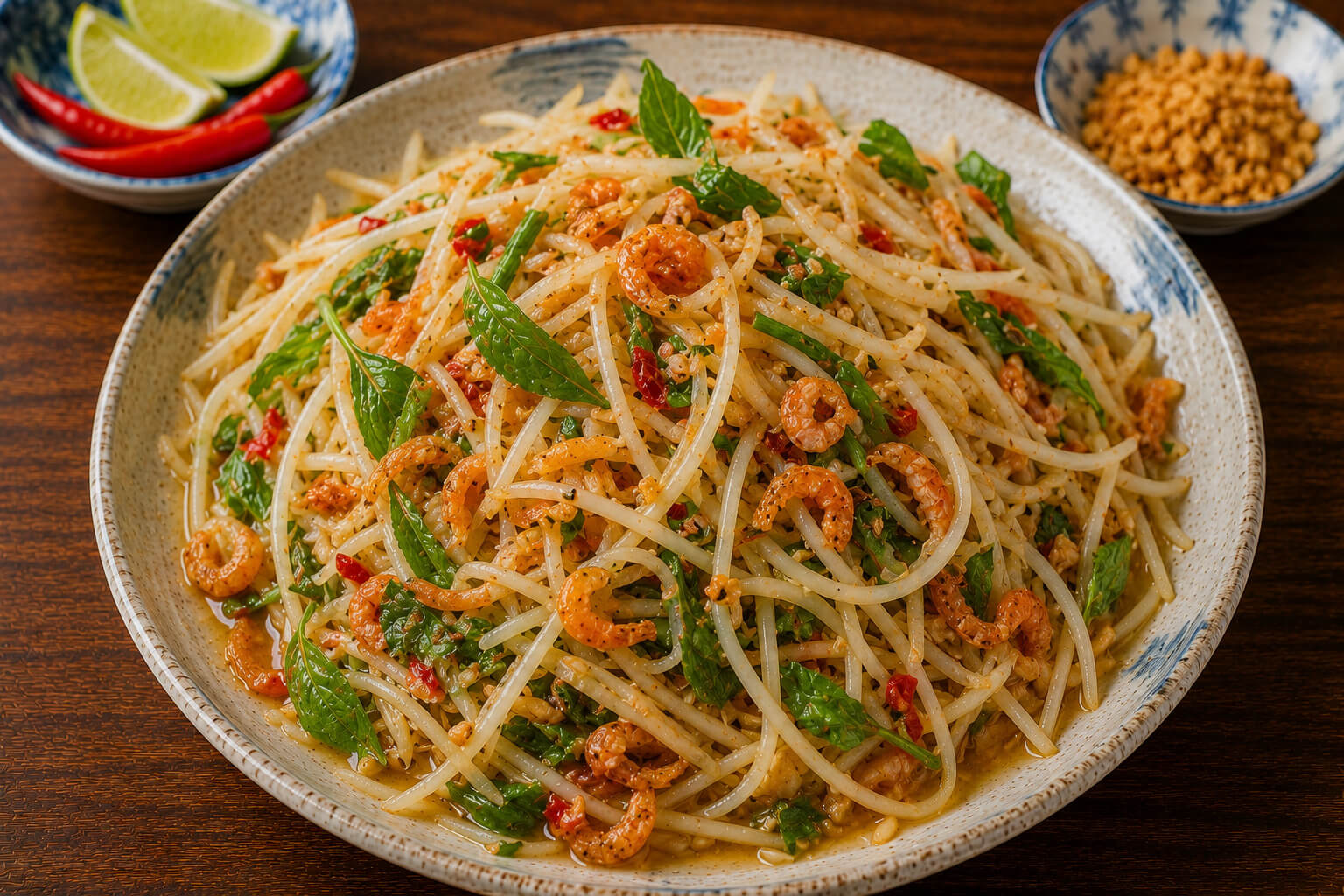
Kaashi Dhonkeyo Kajuru
A version with extra grated coconut for a richer, more textured fritter. The coconut adds chew and depth to the soft banana centre.
Ripe banana, mashed — the sweet heart of the fritter
Rice flour, to bind the batter or dough
Freshly grated coconut for texture and richness
Sugar to sweeten
A little cardamom for fragrance (optional)
A pinch of salt to balance
Oil for deep-frying until golden and crisp
Local Hotaa (Teashops), Malé
📍 Around Majeedhee Magu, Malé
Malé teashops fry sweet banana fritters as part of the daily hedhikaa range. The most authentic and affordable place to try dhonkeyo kajuru with tea.
Seagull Cafe House
📍 Fareedhee Magu, Malé
A relaxed Malé cafe serving Maldivian short eats and sweet snacks. A comfortable place to try dhonkeyo kajuru with an English menu.
Hulhumalé Teashops
📍 Central Hulhumalé
The teashops of Hulhumalé serve sweet and savoury short eats including banana fritters. A handy stop near the airport island.
Maafushi Island Cafes
📍 Maafushi Island, Kaafu Atoll
Local cafes on Maafushi serve sweet fried snacks with tea. A budget-friendly island stop to try dhonkeyo kajuru.
Resort Afternoon Tea
📍 Resort islands, North & South Malé Atolls
Resorts present Maldivian sweet snacks at afternoon tea and on themed buffets, where banana fritters feature among the local treats. A polished way to try them.
Thoddoo Island Cafes
📍 Thoddoo Island, Alif Alif Atoll
On the fruit-growing island of Thoddoo, cafes serve sweet banana fritters made with local produce. Fresh, generous and inexpensive.
| Venue Type | MVR | USD (approx.) | INR (approx.) |
|---|---|---|---|
| Teashop (hotaa), per piece | Local | $0.20 — $0.60 | ₹17 — ₹50 |
| Cafe, per piece | Local | $0.40 — $0.80 | ₹33 — ₹67 |
| Short-eats plate (several) | Local | $2 — $5 | ₹167 — ₹415 |
| Resort afternoon tea | Resort | Included | Included |
Dhonkeyo kajuru is naturally vegetarian — made from banana, rice flour, coconut and sugar, with no fish or animal products.
No special request is needed — the fritters are vegetarian by nature. Simply ask for "dhonkeyo kajuru".Vegan note: They are usually vegan, as they contain no dairy or egg — just banana, rice flour, coconut and sugar.
Jain note: Generally suitable for Jain diners, containing banana, rice flour, coconut and sugar with no onion, garlic or root vegetables.
Dhonkeyo Kajuru is a Maldivian sweet snack — deep-fried dumplings or fritters made from mashed ripe banana, rice flour, grated coconut and sugar, fried until golden.
Sweet and comforting, with a crisp golden shell and a soft, banana-rich centre. The frying deepens the natural sweetness of the banana.
Yes — it is made from banana, rice flour, coconut and sugar, with no fish or animal products, so it is fully vegetarian.
Yes — like all traditional Maldivian food it contains no pork or alcohol and is fully halal.
Usually yes — it is typically made with rice flour rather than wheat. Check with the cook if you have a serious allergy, as some recipes vary.
At tea time as a sweet snack (hedhikaa), eaten with milky tea, and at Ramadan iftars and family gatherings.
Usually yes — it contains no dairy or egg, just banana, rice flour, coconut and sugar.
In any teashop (hotaa) or cafe on an inhabited island, and at resort afternoon tea and "Maldivian night" spreads.
It is similar in spirit, but dhonkeyo kajuru uses mashed banana mixed with rice flour and coconut into a dumpling, rather than slices of banana dipped in batter.
They are small and cheap, so order several — a few as a light sweet bite, or more as part of a mixed teashop plate.
Our specialists plan food-focused itineraries around what you want to eat.
Plan My Food Trip