Crisp golden triangles of spiced fish and coconut — the Maldivian teashop samosa
Explore the Dish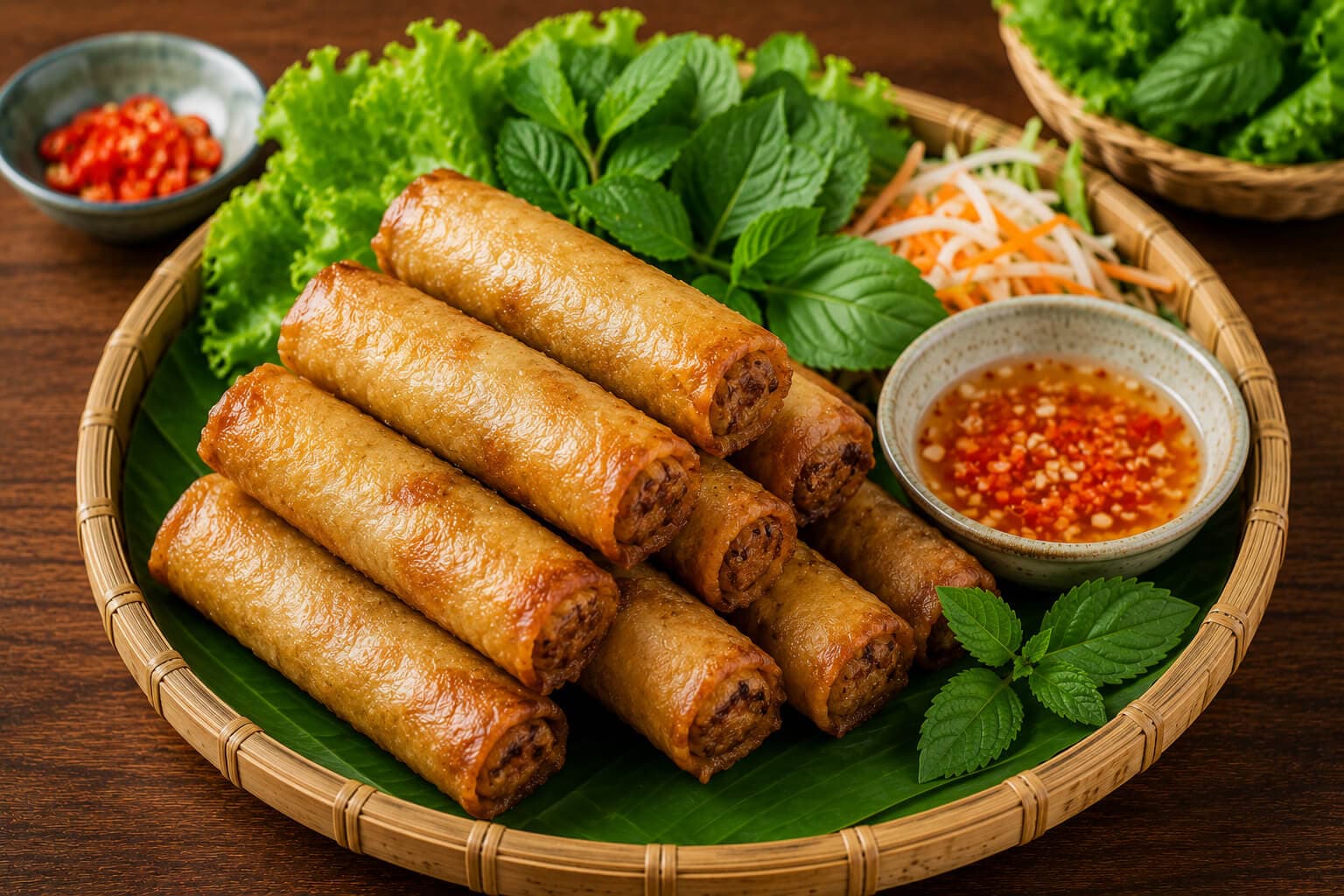
Bajiya are Maldivian fried pastries — thin triangular parcels of dough filled with a spiced mixture of smoked fish, grated coconut and onion, then deep-fried until crisp and golden. Samosa-like in shape and spirit, they are one of the most popular savoury short eats (hedhikaa) eaten with sweet black tea at island teashops.
Bajiya look very much like an Indian samosa — a folded triangle of pastry with a savoury filling sealed inside and deep-fried — but the filling is distinctly Maldivian. Instead of spiced potato and peas, the casing holds a mixture of shredded smoked tuna (valhomas, often called “Maldive fish”), freshly grated coconut and finely chopped onion, seasoned with chilli and curry leaves.
The pastry is rolled thin so that it fries up crisp and shatters lightly when you bite in, giving way to the moist, smoky, faintly sweet fish-and-coconut filling. The flavour is the same family as mas huni and the other tuna-based short eats, but enclosed in a crunchy fried triangle.
Bajiya is a cornerstone of the Maldivian “hedhikaa” spread — the array of savoury and sweet short eats laid out at teashops (hotaa) in the afternoon. Alongside relatives such as gulha and kavaabu, it is grazed on by the handful with cups of sweet tea.
For visitors, Bajiya is an immediately familiar and rewarding bite: anyone who has eaten a samosa will recognise the shape and the satisfying crunch, with a Maldivian twist in the filling. Order a few and share.
Bajiya are triangular, samosa-like pastries with a thin, crisp casing, while gulha are round, sealed dough balls with a thicker, breadier shell. Both share a fish-and-coconut filling. If you want the triangular crunchy pastry, order Bajiya; if you want the round fried dumpling, order gulha.
Bajiya reflects the long history of contact between the Maldives and the wider Indian Ocean world — the folded, fried savoury pastry is a cousin of the South Asian samosa, adapted to Maldivian ingredients. Over time it took on a thoroughly local character through its smoked-tuna-and-coconut filling, becoming a fixture of the islands’ teashop culture and one of the best-loved hedhikaa.
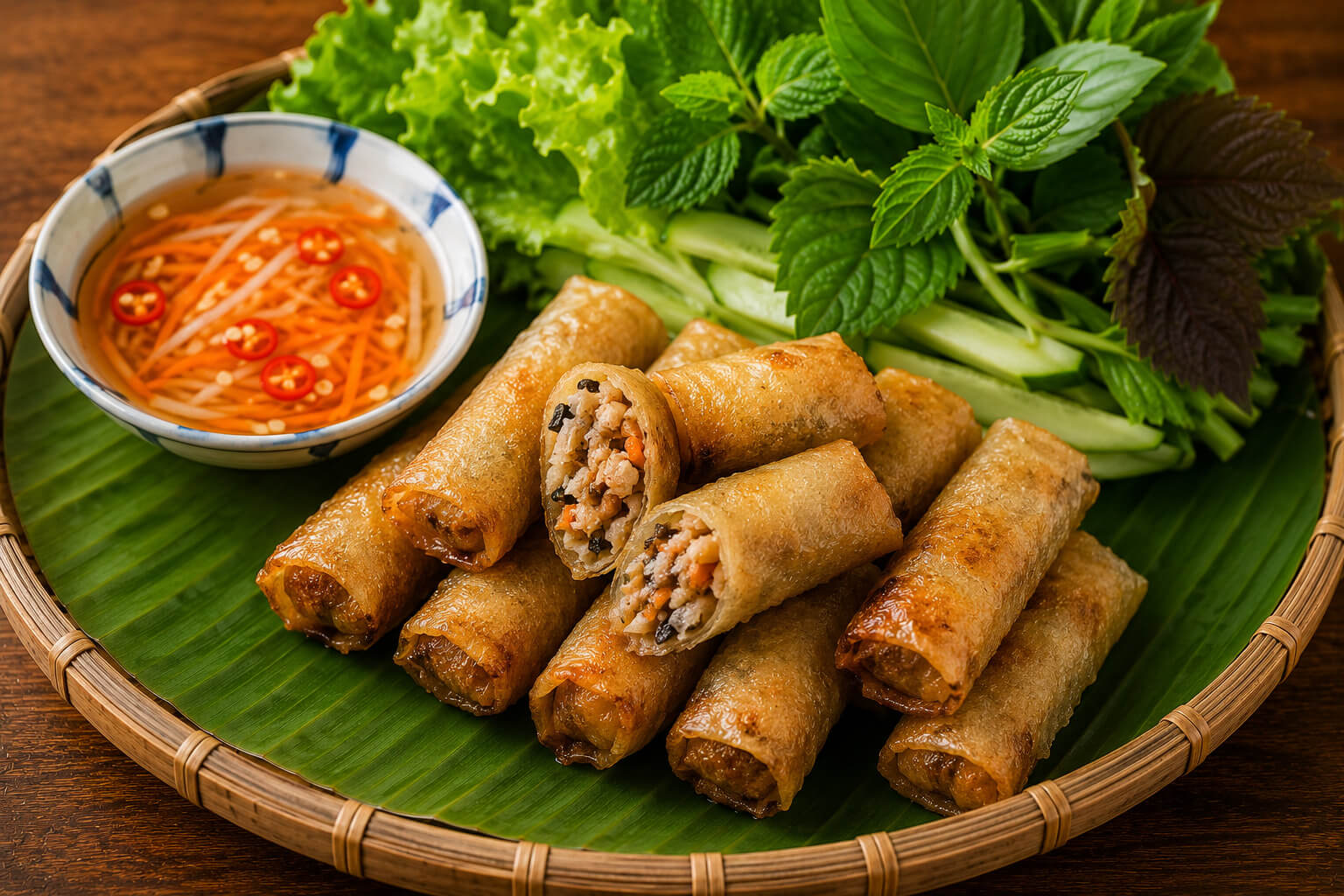
Classic Smoked-Fish Bajiya
The standard Bajiya: a thin wheat-flour pastry triangle filled with spiced shredded smoked tuna, grated coconut, onion and chilli, deep-fried until crisp and golden. Served warm with sweet black tea at teashops.
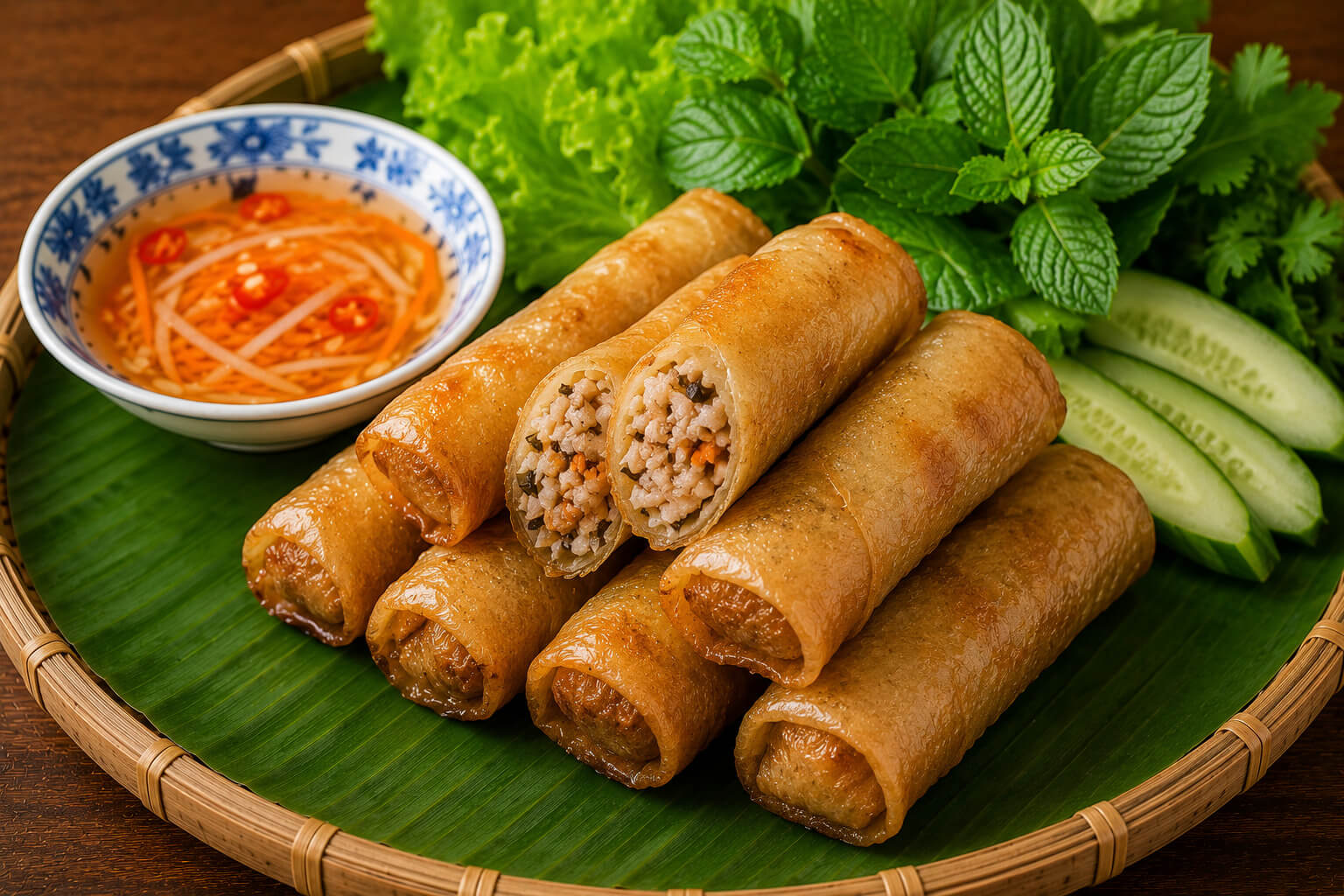
Home-style Bajiya
Made at home for guests and family, often a little larger and more generously filled, with the chilli adjusted to taste. Fried fresh and eaten warm with tea.
Rolled thin and folded into a triangle around the filling, then deep-fried until crisp and golden. Contains wheat.
Shredded smoked, dried skipjack tuna forms the savoury, umami core of the filling.
Adds moisture and a gentle sweetness that balances the salty smoked fish.
Finely chopped and mixed into the filling for sharpness.
Provides the heat; the amount varies by cook from mild to fiery.
Added to the filling for fragrance, a signature Maldivian aromatic.
A squeeze of lime brightens and lifts the filling.
The folded pastries are deep-fried until the casing turns crisp and golden.
Local teashops (hotaa), Malé
📍 Malé — capital island
The classic place to eat Bajiya: a busy teashop counter piled with short eats, washed down with sweet black tea in the afternoon. Ideal for first-timers.
Local-island cafés, Maafushi
📍 Maafushi — budget guesthouse island
Guesthouse and local cafes on Maafushi serve Bajiya among their hedhikaa — an easy, affordable place for visitors to try short eats.
Cafés in Hulhumalé
📍 Hulhumalé — reclaimed island near the airport
Cafes near the airport stock Bajiya and other short eats through the day — handy for a quick snack before or after a flight.
Teashops in Addu City
📍 Addu Atoll — the southern urban area
The southern atolls have a strong teashop tradition; Bajiya here is just as much an afternoon staple as in the capital.
Local-island cafés, Dhigurah
📍 Dhigurah — South Ari Atoll
Cafes on whale-shark islands such as Dhigurah serve Bajiya as an afternoon snack between excursions.
Resort ‘Maldivian night’ buffets
📍 Resort islands across the atolls
On themed Maldivian buffet nights, resorts lay out a selection of hedhikaa including Bajiya — a relaxed way to sample short eats.
| Venue Type | MVR | USD (approx.) | INR (approx.) |
|---|---|---|---|
| Local teashop / hotaa (per piece) | $0.20–$0.40 | $0.20–$0.40 | ₹17–₹33 |
| Local-island café (per piece) | $0.30–$0.50 | $0.30–$0.50 | ₹25–₹42 |
| Café in Malé / Hulhumalé (per piece) | $0.40–$0.60 | $0.40–$0.60 | ₹33–₹50 |
| Short-eats plate (several pieces) | $2–$5 | $2–$5 | ₹165–₹415 |
Bajiya is defined by its smoked-fish filling, so there is no traditional vegetarian version. Vegetarian travellers may prefer sweet hedhikaa, or plain roshi with a vegetable curry, instead. Maldivian food is halal, and Bajiya contains no pork or alcohol.
Vegan note: Standard Bajiya is neither vegetarian nor vegan as the filling is fish. There is no widely available meat-free version at teashops, though anyone who enjoys a samosa will find a similar pleasure in a vegetable samosa where available.
Bajiya is a Maldivian short eat (hedhikaa): a triangular wheat-flour pastry filled with a spiced mixture of smoked fish, grated coconut and onion, then deep-fried until crisp and golden. It is samosa-like in shape and eaten at tea time with sweet black tea.
In shape and method, yes — it is a folded triangle of pastry deep-fried around a savoury filling, just like a samosa. The difference is the filling: instead of spiced potato and peas, Bajiya holds shredded smoked tuna, grated coconut, onion, chilli and curry leaves.
Both are fried Maldivian short eats with a fish-and-coconut filling, but Bajiya are triangular, samosa-like pastries with a thin crisp casing, while gulha are round, sealed dough balls with a thicker, breadier shell. For the triangular pastry, order Bajiya; for the round fried dumpling, order gulha.
No. The pastry is made from wheat flour, so Bajiya is not gluten-free. The filling itself (fish, coconut, onion, chilli) is gluten-free, but the pastry cannot be substituted.
Not traditionally — the filling is smoked fish. Vegetarian visitors usually choose sweet short eats, or plain roshi with a vegetable curry, instead. A vegetable samosa, where available, offers a similar experience.
It is usually mild to medium. The chilli is in the fish filling and varies by cook, so ask for a milder version if you are sensitive to heat.
Yes. Like all traditional Maldivian food it is halal — the filling is fish, coconut and vegetables, with no pork or alcohol.
As part of a short-eats spread, a few pieces per person alongside other hedhikaa. They are bite-sized, so it is easy to underestimate — order several and share.
Very little — typically about $0.20–$0.60 per piece (roughly ₹17–50) at a local teashop or café. It is one of the cheapest and most satisfying snacks in the country.
At local teashops (hotaa) in Malé, in guesthouse cafes on local islands such as Maafushi or Dhigurah, in cafés in Addu City, and on resort Maldivian buffet nights.
Our specialists plan food-focused itineraries around what you want to eat.
Plan My Food Trip