The clear tuna broth at the heart of the Maldivian home kitchen
Explore the Dish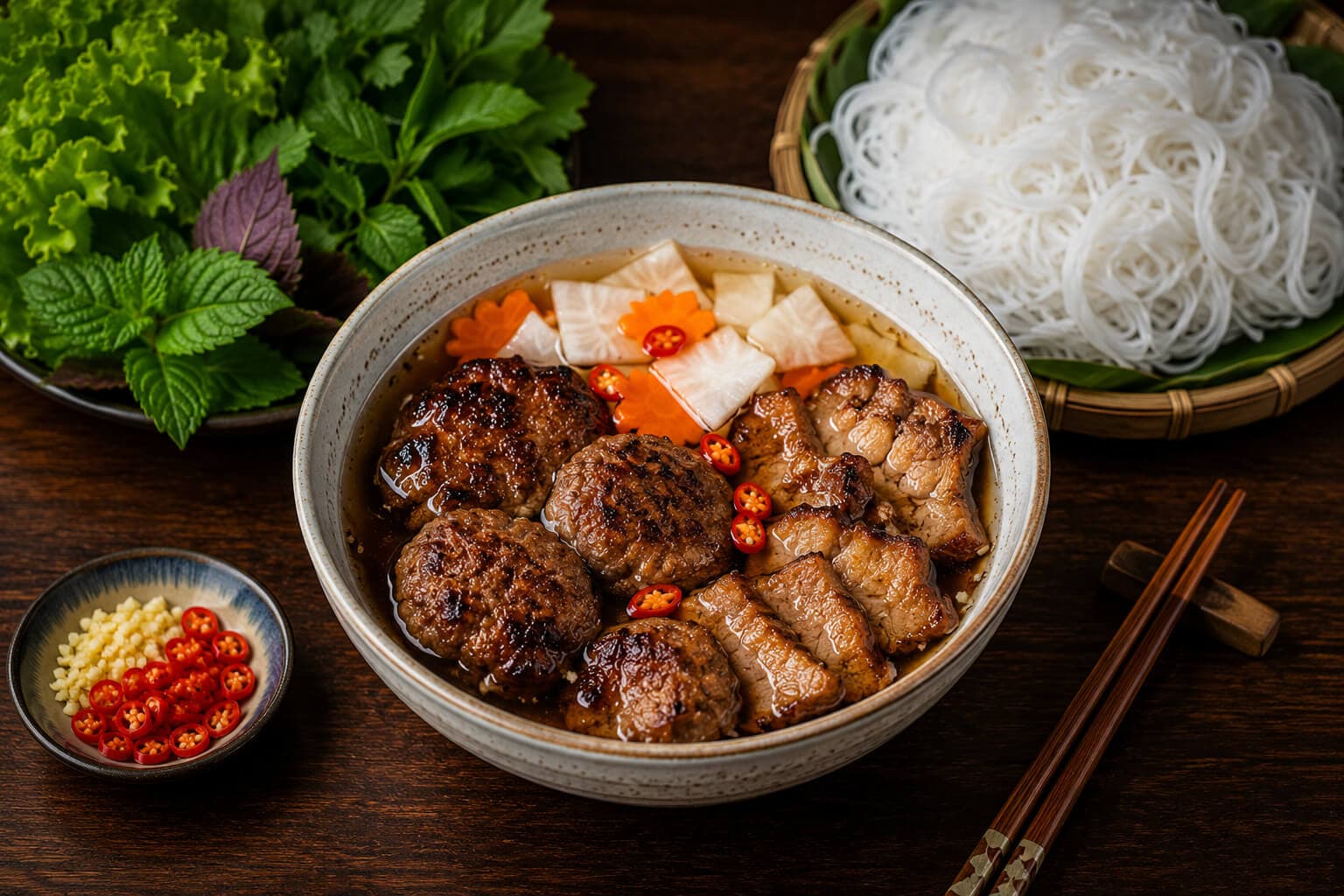
Garudhiya is the clear, aromatic tuna broth at the heart of everyday Maldivian cooking: fresh skipjack tuna simmered gently in water with curry leaves, onion and a little salt until the liquid turns into a fragrant, savoury stock. It is light and clean rather than rich, and it is almost always served over a plate of steamed rice with lime, chilli and onion on the side.
The classic way to eat it is ‘garudhiya and rice’ (garudhiya bai): rice on the plate, the broth and its pieces of tuna spooned over, and then the meal lifted with a squeeze of lime, slices of fresh chilli, raw onion and often pieces of boiled raw banana or breadfruit on the side. Some people drink the broth on its own; most spoon it over rice with the accompaniments.
Garudhiya is comfort food and daily sustenance across all of the atolls — the kind of simple, nourishing meal that islanders eat at home. Visitors most often meet it in local-island cafés and on resort ‘Maldivian night’ buffets.
Garudhiya is one of the oldest and most fundamental dishes of the Maldives, born from the islands’ reliance on skipjack tuna. With abundant fresh fish and limited other ingredients, simmering tuna into a clear broth to eat with rice or starchy staples like breadfruit and raw banana was a natural, everyday solution. It remains the backbone of the home kitchen.
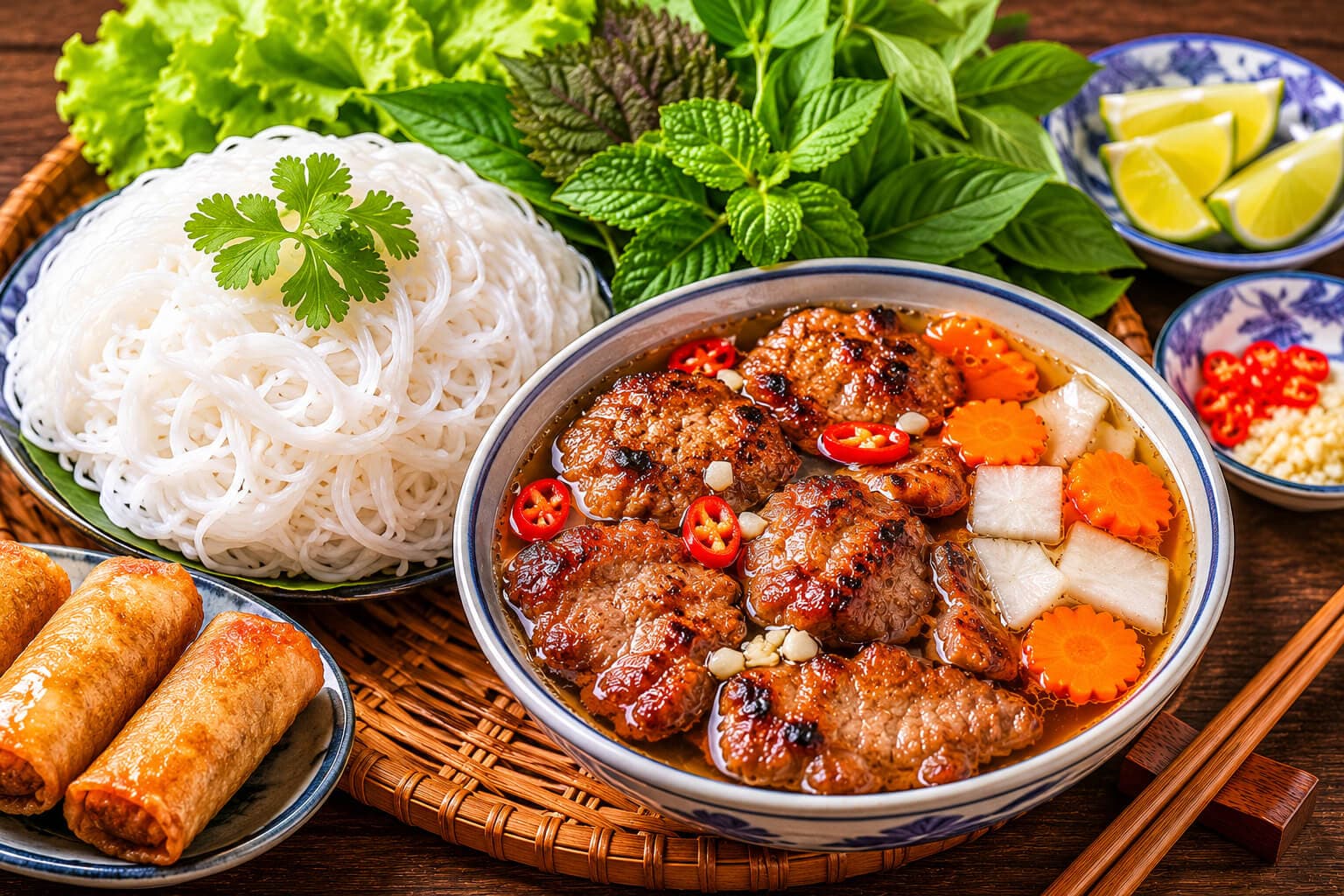
Garudhiya & rice
Fresh tuna simmered into a clear broth with curry leaves and onion, served over steamed rice with lime, fresh chilli and raw onion on the side. The everyday Maldivian main meal.
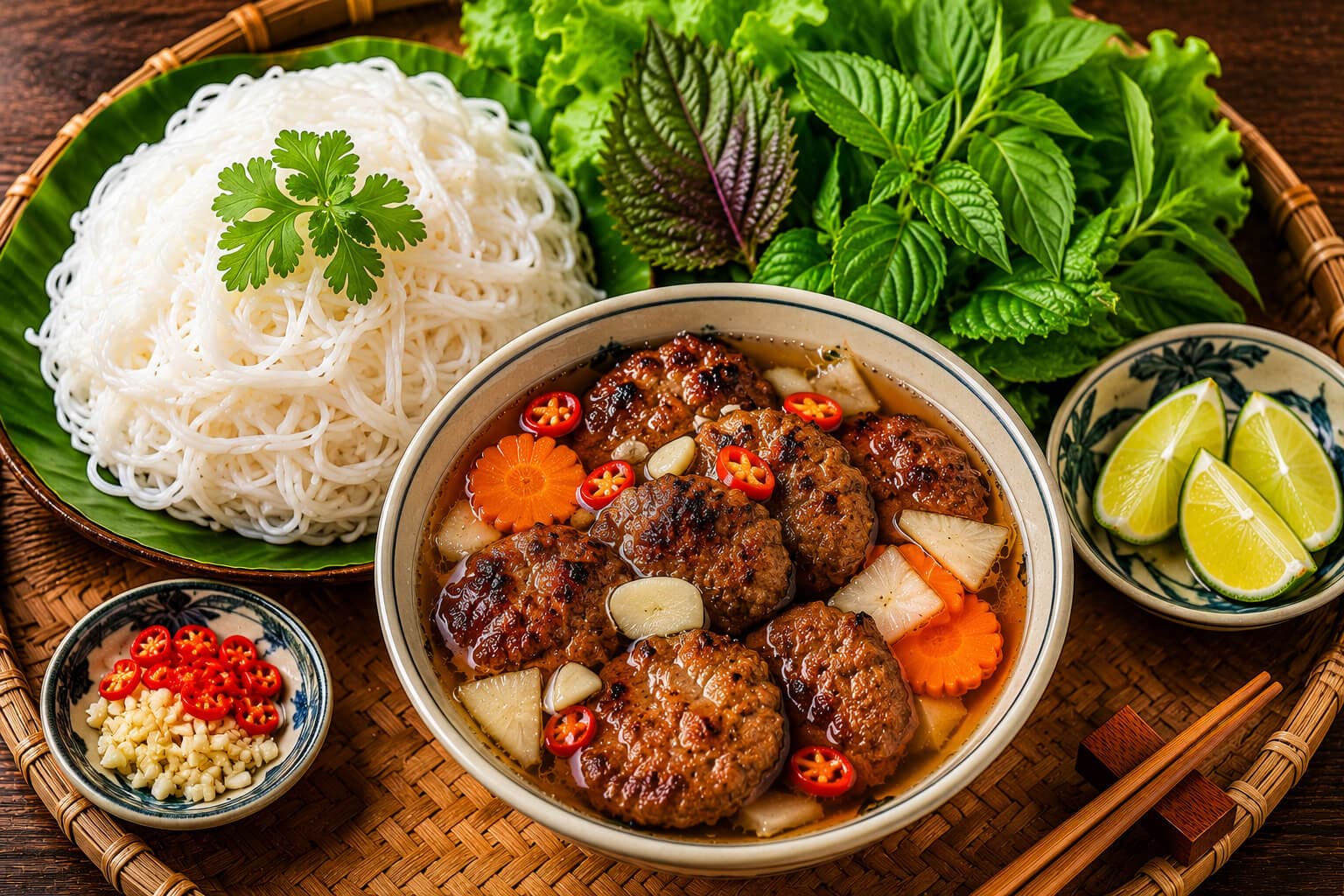
Garudhiya with breadfruit / banana
On many islands the broth is eaten with boiled raw banana, breadfruit or taro instead of (or alongside) rice — a more traditional pairing that reflects the islands’ older staple crops.
Clear tuna stock — fish simmered in water with curry leaves, onion and salt; no coconut milk
Steamed rice (most common), or boiled raw banana, breadfruit or taro
Local-island cafés, Maafushi
📍 Maafushi — budget guesthouse island
Local cafes on islands such as Maafushi serve Garudhiya and rice as an everyday lunch — the most authentic and affordable way to try it.
Teashops & cafés, Malé
📍 Malé — capital island
Many cafés in the capital serve Garudhiya as a home-style main meal, often as the dish of the day at lunchtime.
Cafés in Hulhumalé
📍 Hulhumalé — reclaimed island near the airport
Local-style cafés near the airport serve Garudhiya and rice — a comforting meal before or after a flight.
Resort ‘Maldivian night’ buffets
📍 Resort islands across the atolls
Resorts serve Garudhiya on themed Maldivian buffet nights so guests can taste authentic home cooking without leaving the resort.
Guesthouse meals, Dhigurah
📍 Dhigurah — South Ari Atoll
Guesthouses on local islands such as Dhigurah serve Garudhiya and rice as part of half- or full-board meals.
Cafés in Addu City
📍 Addu Atoll — the southern urban area
The southern atolls cook Garudhiya daily; cafés in Addu serve it as a home-style staple, sometimes with breadfruit or raw banana.
| Venue Type | MVR | USD (approx.) | INR (approx.) |
|---|---|---|---|
| Local-island café, rice & garudhiya | $3–$6 | $3–$6 | ₹250–500 |
| Café in Malé / Hulhumalé | $4–$8 | $4–$8 | ₹330–660 |
| Guesthouse half-board meal | $4–$8 | $4–$8 | ₹330–660 |
| Resort buffet (Maldivian night) | Included | Included | Included |
Garudhiya is by definition a tuna broth, so there is no traditional vegetarian version — the fish is the whole point of the dish. Vegetarian travellers will need an alternative such as rice with a vegetable curry.
Ask the café for rice with a vegetable curry or dhal if you do not eat fish.Jain note: Garudhiya contains tuna and onion and is not suitable for vegetarians, vegans or Jain travellers. Plain rice with a vegetable dish is a better choice.
Garudhiya is a clear, aromatic Maldivian tuna broth: fresh skipjack tuna simmered with curry leaves, onion and salt. It is usually served over rice with lime, chilli and onion on the side, and is one of the most fundamental everyday Maldivian dishes.
Most commonly it is spooned over a plate of steamed rice, then finished with a squeeze of lime, fresh chilli and raw onion to taste. Some people also drink the broth on its own, and it is often eaten with boiled breadfruit or raw banana.
No — unlike Maldivian curries, Garudhiya is a clear broth made with water, not coconut milk. That is what gives it its light, clean character.
The broth itself is mild and savoury. The heat comes from the fresh chilli you add yourself, so you can keep it gentle or make it fiery to taste.
Yes. Like all traditional Maldivian food it is halal — it is simply tuna, water, curry leaves and onion, with no pork or alcohol.
No — the dish is defined by its tuna, so there is no traditional vegetarian version. Vegetarian visitors usually have rice with a vegetable curry or dhal instead.
Yes — the broth (tuna, water, curry leaves, onion) and the rice it is served over are naturally gluten-free.
Steamed rice is the usual base, with lime, fresh chilli and raw onion on the side. On many islands it is also eaten with boiled raw banana, breadfruit or taro, and sometimes a little rihaakuru fish paste.
At local-island cafés such as those on Maafushi or Dhigurah, in home-style cafés in Malé and Addu, and on resort Maldivian buffet nights.
No. A Maldivian fish curry (mas riha) is rich and made with coconut milk and spices, while Garudhiya is a clear, light tuna broth. They are different dishes, though both are tuna-based.
Our specialists plan food-focused itineraries around what you want to eat.
Plan My Food Trip