Mashed, spiced, deep-fried — the Maldives' favourite teashop bite.
Explore the Dish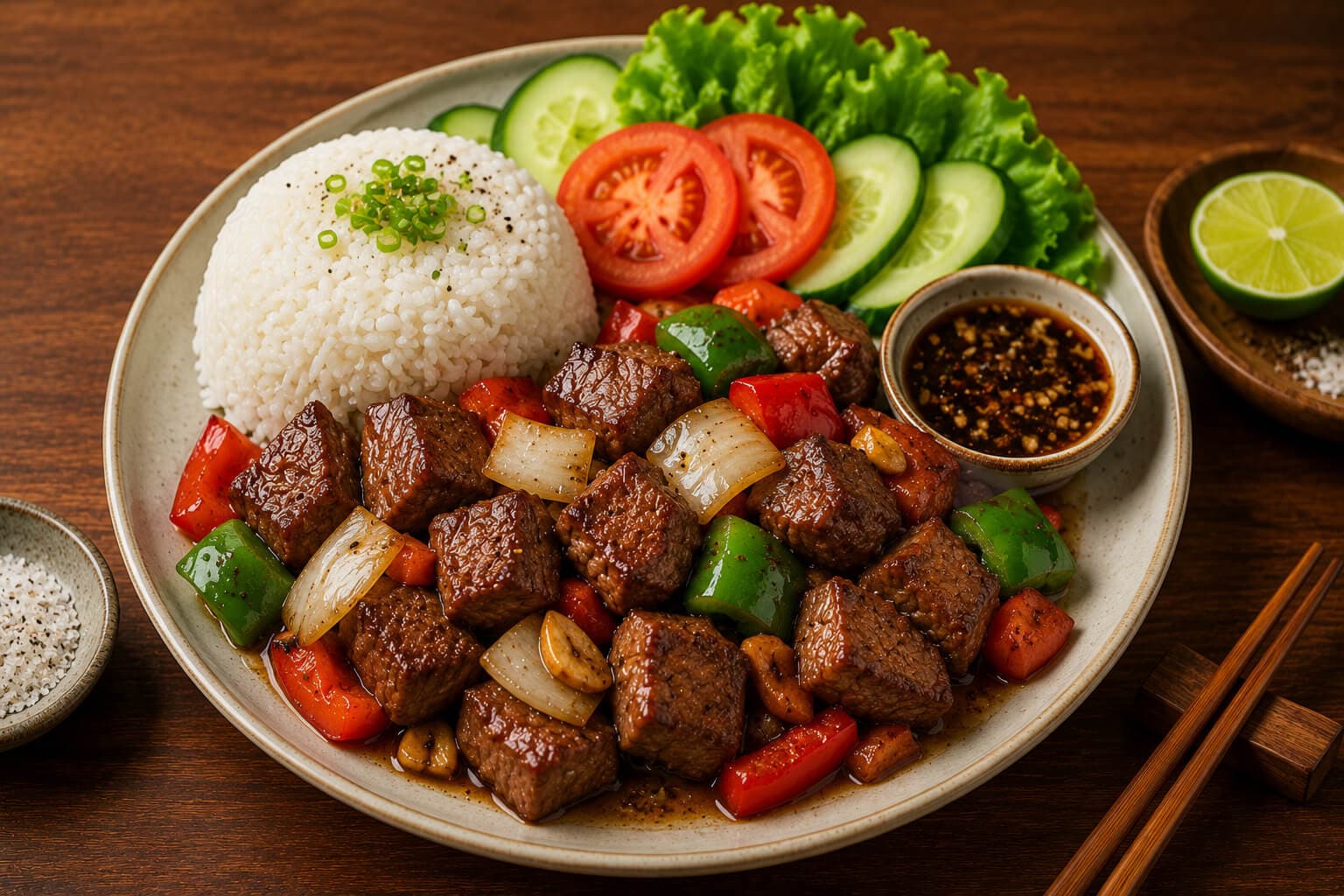
Kavaabu is one of the best-loved Maldivian "short eats" (hedhikaa) — a deep-fried savoury bite made from mashed cooked rice, smoked tuna, lentils, grated coconut, onion and spices, shaped into small balls or patties and fried until crisp and golden. It is a staple of the teashop counter, eaten with tea throughout the day.
The mixture is what makes kavaabu special: cooked rice and split lentils (often chickpea or toor dal) are mashed together with flaked smoked tuna, grated coconut, finely chopped onion, curry leaves, chilli and warming spices such as cumin and turmeric. The dough is rolled into bite-sized balls or flattened into small patties, then deep-fried so the outside turns crunchy while the inside stays soft and savoury. The result is hearty, protein-rich and deeply satisfying.
In the Maldives, short eats like kavaabu line the glass cabinets of every hotaa (teashop) alongside gulha, bajiya and bis keemiya. Islanders graze on them with sweet milky tea at "hedhikaa" time, and they reappear at family gatherings, Ramadan iftars and resort "Maldivian night" spreads. For Indian visitors, kavaabu will feel familiar — it sits somewhere between a lentil vada and a fish cutlet, with the distinctive Maldivian note of smoked tuna and coconut. It is fully halal, containing no pork or alcohol.
Kavaabu grew out of the Maldivian teashop tradition, where cooks turned everyday staples — leftover rice, preserved tuna, lentils and coconut — into thrifty, filling fried snacks to serve with tea. It is part of the wider hedhikaa culture that defines island social life.
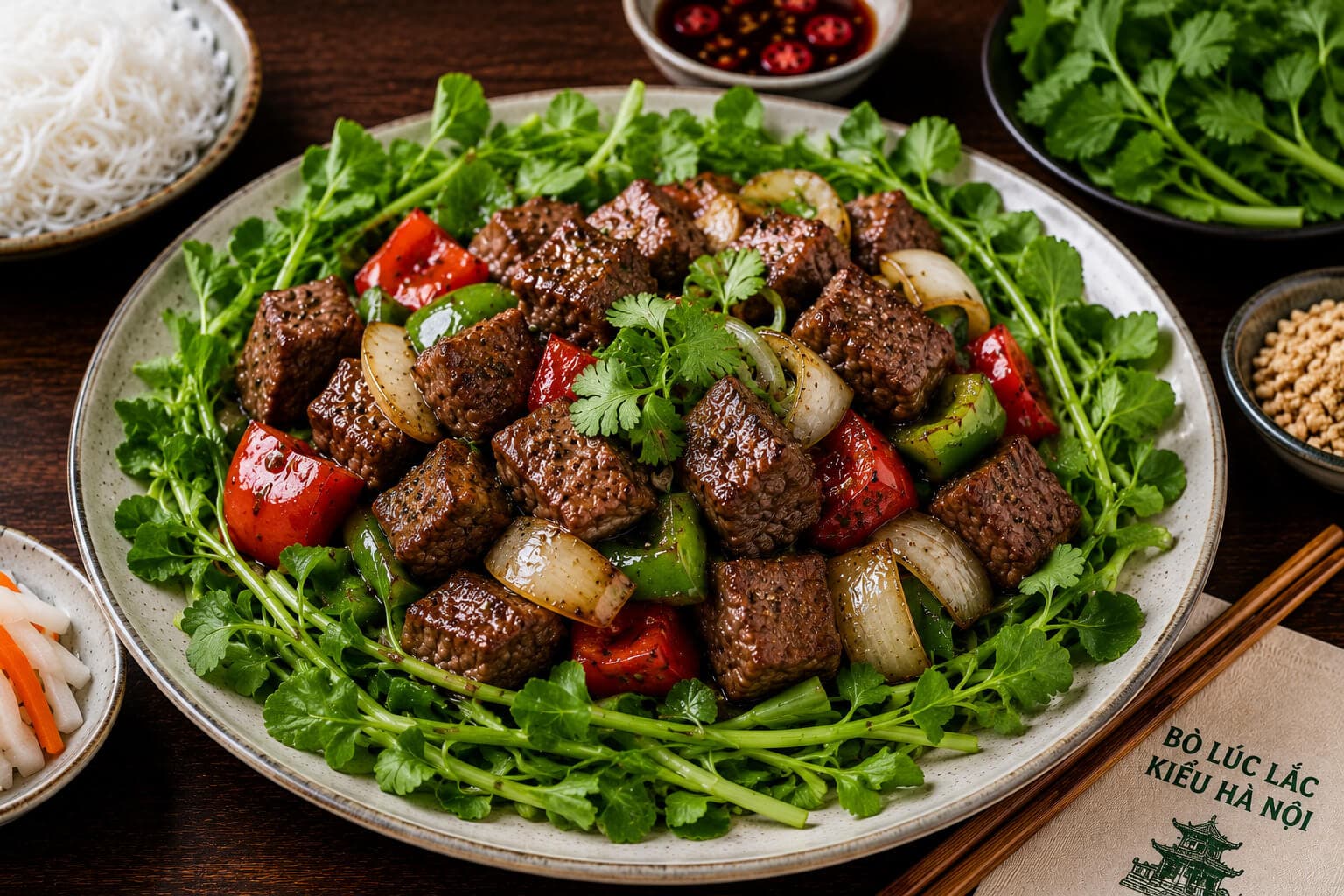
Mas Kavaabu
The standard version — mashed rice and lentils bound with smoked tuna, grated coconut, onion and spices, rolled into balls and deep-fried until crisp. The everyday teashop favourite.
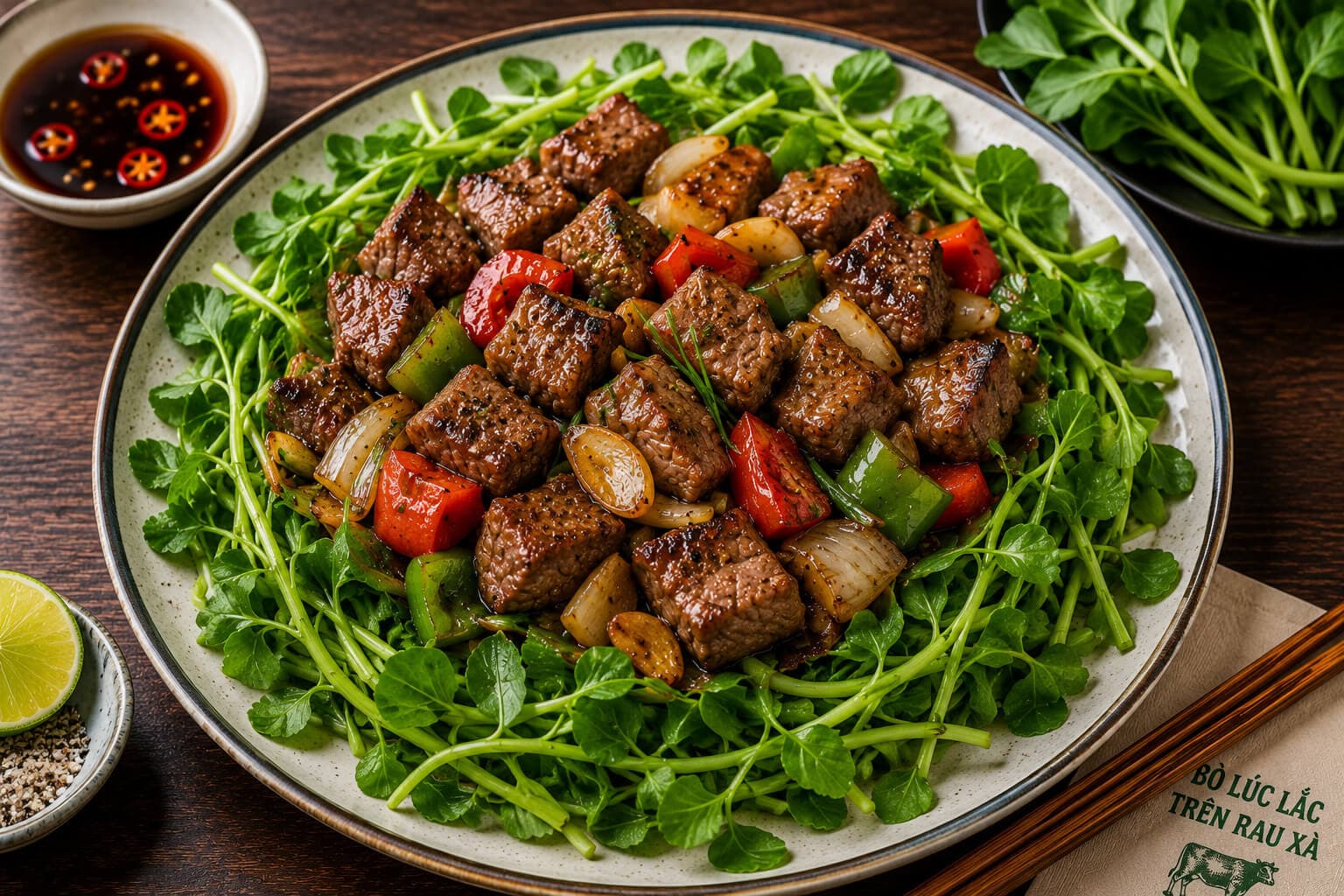
Dhal Kavaabu
A version with a higher proportion of lentils for a softer, more savoury bite. Popular where cooks prefer a lighter, pulse-rich short eat.
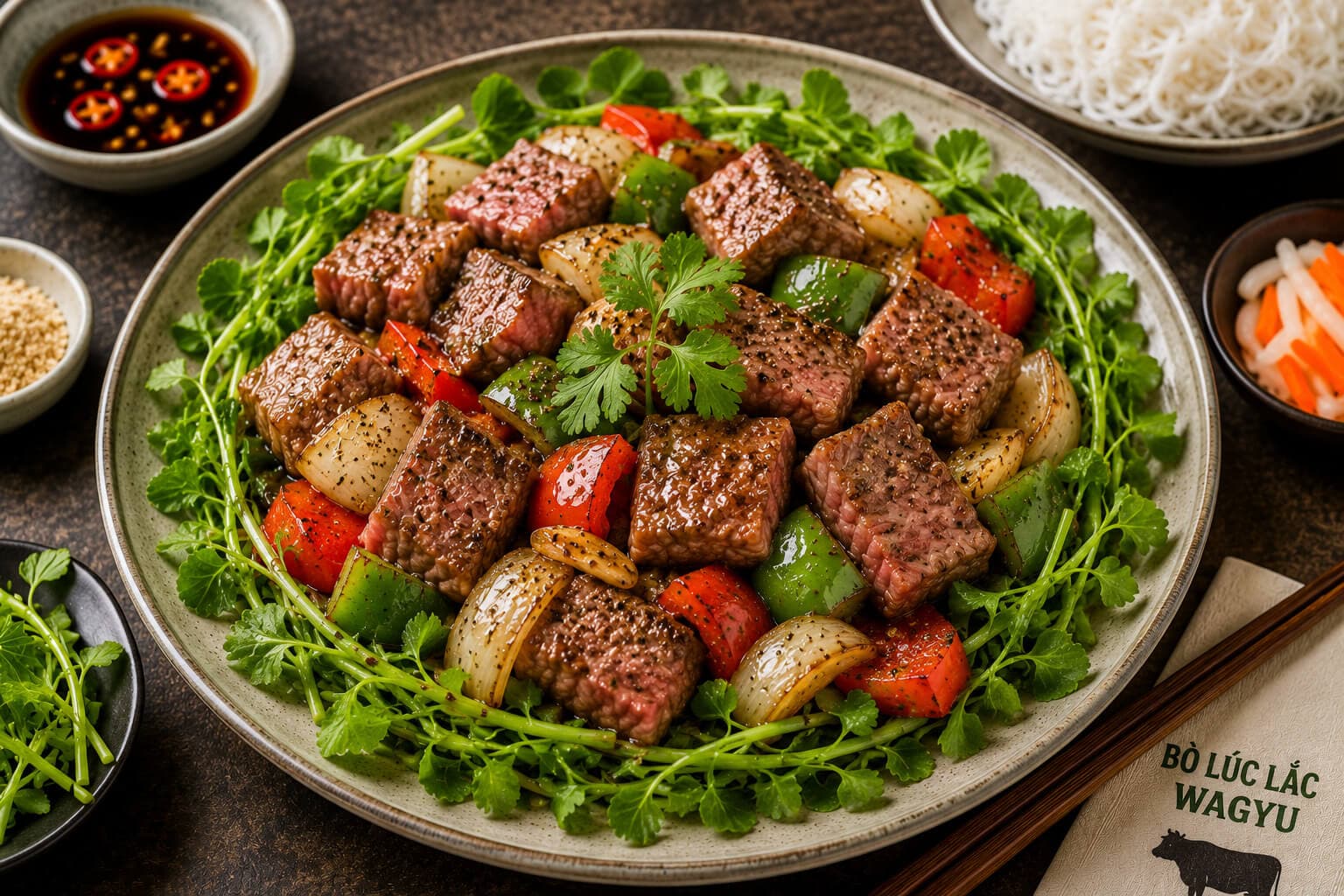
Ramadan Kavaabu
Made richer for iftar and celebrations, with extra tuna, more coconut and a generous spice mix. Served fresh and hot from the fryer at evening gatherings.
Cooked rice, mashed to bind the mixture
Smoked or boiled flaked tuna (the savoury heart of the snack)
Split lentils (chickpea or toor dal), cooked and mashed in
Freshly grated coconut for sweetness and texture
Finely chopped onion
Chopped curry leaves for fragrance
Cumin, turmeric, ground chilli and black pepper
Salt to season
Oil for deep-frying until golden and crisp
Local Hotaa (Teashops), Malé
📍 Around Majeedhee Magu, Malé
The neighbourhood teashops of Malé fry fresh short eats throughout the day. The most authentic place to eat kavaabu with a glass of tea among locals.
Seagull Cafe House
📍 Fareedhee Magu, Malé
A relaxed Malé cafe serving Maldivian short eats and snacks. Good for trying kavaabu and other hedhikaa in a comfortable, visitor-friendly setting.
Hulhumalé Teashops
📍 Central Hulhumalé
The teashops of Hulhumalé serve the full range of short eats. A convenient stop near the airport island to sample kavaabu fresh and cheap.
Maafushi Island Cafes
📍 Maafushi Island, Kaafu Atoll
Local cafes on Maafushi serve hedhikaa with tea. A budget-friendly island stop to enjoy kavaabu alongside other Maldivian short eats.
Resort Afternoon Tea & Maldivian Nights
📍 Resort islands, North & South Malé Atolls
Resorts present Maldivian short eats at afternoon tea and on themed buffet nights, where kavaabu features among the fried bites. A polished way to try it.
Addu City Teashops
📍 Hithadhoo, Addu City
The teashops of the southern Addu atoll serve generous short eats. A great place to taste kavaabu away from the busier central islands.
| Venue Type | MVR | USD (approx.) | INR (approx.) |
|---|---|---|---|
| Teashop (hotaa), per piece | Local | $0.20 — $0.50 | ₹17 — ₹42 |
| Cafe, per piece | Local | $0.30 — $0.60 | ₹25 — ₹50 |
| Short-eats plate (several) | Local | $2 — $5 | ₹167 — ₹415 |
| Resort afternoon tea | Resort | Included | Included |
Classic kavaabu is built around smoked tuna, so it is not vegetarian. Some cooks make a fish-free version with extra lentils and vegetables, but it is not the standard.
Ask whether a vegetable-and-lentil short eat (without fish) is available; some teashops will have a meat-free fried snack.Vegan note: A fish-free lentil version can be vegan, but standard kavaabu is not.
Jain note: Not suitable for vegetarian, vegan or Jain diners in its classic form, as it contains tuna and onion.
Kavaabu is a deep-fried Maldivian short eat (hedhikaa) made from mashed rice, smoked tuna, lentils, grated coconut, onion and spices, shaped into balls or patties and fried until golden.
It is savoury and hearty, with a crisp crust and a soft, lightly spiced interior. The smoked tuna and coconut give it a distinctive Maldivian flavour, a little like a fish-and-lentil cutlet.
It is mild to medium. There is a little chilli in the mix but the heat is gentle, making it approachable for most palates.
Yes — like all traditional Maldivian food it is fully halal, made with fish and containing no pork or alcohol.
It is a tea-time and snack food, eaten with sweet milky tea at "hedhikaa" time throughout the day, and it features at Ramadan iftars and celebrations.
At any teashop (hotaa) on an inhabited island, at island cafes, and on resort afternoon-tea and "Maldivian night" spreads.
It is naturally gluten-free, as it is based on rice, lentils, fish and coconut rather than wheat. Always check with the cook if you have a serious allergy.
Not in its classic form, as smoked tuna is central. Some teashops make a fish-free lentil-and-vegetable short eat, which is worth asking for.
Both are fried short eats, but gulha are small round dumplings with a tuna-and-coconut filling inside a flour shell, while kavaabu is a solid ball of mashed rice, lentils and tuna fried directly.
They are small and cheap, so order several — two or three as a light bite, or a mixed plate of short eats to make a proper tea-time snack.
Our specialists plan food-focused itineraries around what you want to eat.
Plan My Food Trip