Crisp little rolls of egg, cabbage and tuna — the short eat that defines Ramadan evenings
Explore the Dish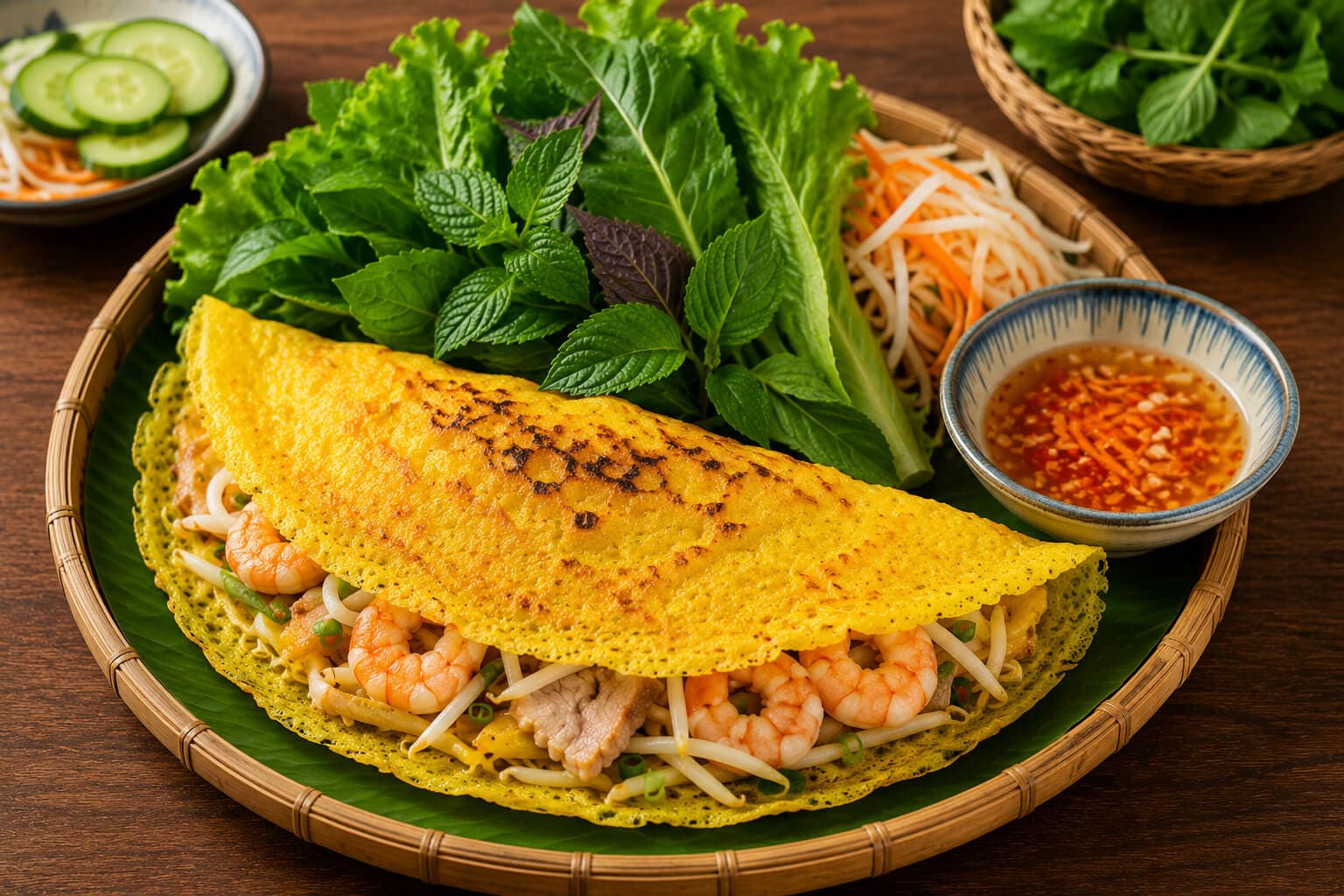
Bis Keemiya are Maldivian deep-fried pastry rolls: thin sheets of dough wrapped around a savoury filling of egg, shredded cabbage, onion and smoked tuna, then fried until crisp and golden. Resembling a spring roll, they are one of the most popular savoury short eats (hedhikaa) and an essential part of the iftar table during Ramadan.
Bis Keemiya look like a small, neat spring roll — a tightly rolled cylinder of thin pastry with a crisp, golden surface. Inside, the filling is a soft, savoury mixture of chopped boiled egg, finely shredded cabbage, onion and shredded smoked tuna (valhomas), lightly seasoned and bound together. (“Bis” refers to the egg in the filling.)
The contrast is the appeal: a light, shattering pastry on the outside, and a moist, gently spiced egg-cabbage-and-tuna filling within. The flavour is milder and more rounded than the chilli-forward tuna short eats, which makes Bis Keemiya especially popular with all ages.
While Bis Keemiya is eaten year-round as part of the everyday teashop “hedhikaa” spread, it comes into its own during Ramadan. At sunset, when families break their fast, plates of Bis Keemiya appear on the iftar table alongside dates, other short eats and sweet drinks — it is one of the dishes most associated with the holy month in the Maldives.
For visitors, Bis Keemiya is an easy, familiar bite: anyone who has enjoyed a spring roll will take to it immediately, with the egg and cabbage giving it a comforting, homely character.
Bis Keemiya is distinguished by its egg-and-cabbage filling, which makes it milder and softer than the chilli-forward, tuna-and-coconut short eats such as gulha and bajiya. It is also the short eat most strongly associated with Ramadan iftar tables in the Maldives.
Bis Keemiya belongs to the Maldivian family of hedhikaa — the savoury and sweet short eats that grew up around the islands’ teashop culture. Its rolled, deep-fried form reflects the wider Indian Ocean tradition of stuffed fried pastries, adapted to Maldivian ingredients with egg, cabbage and smoked tuna. Over time it became inseparable from Ramadan, when it is one of the most prepared short eats for breaking the fast.
Classic Egg, Cabbage & Tuna
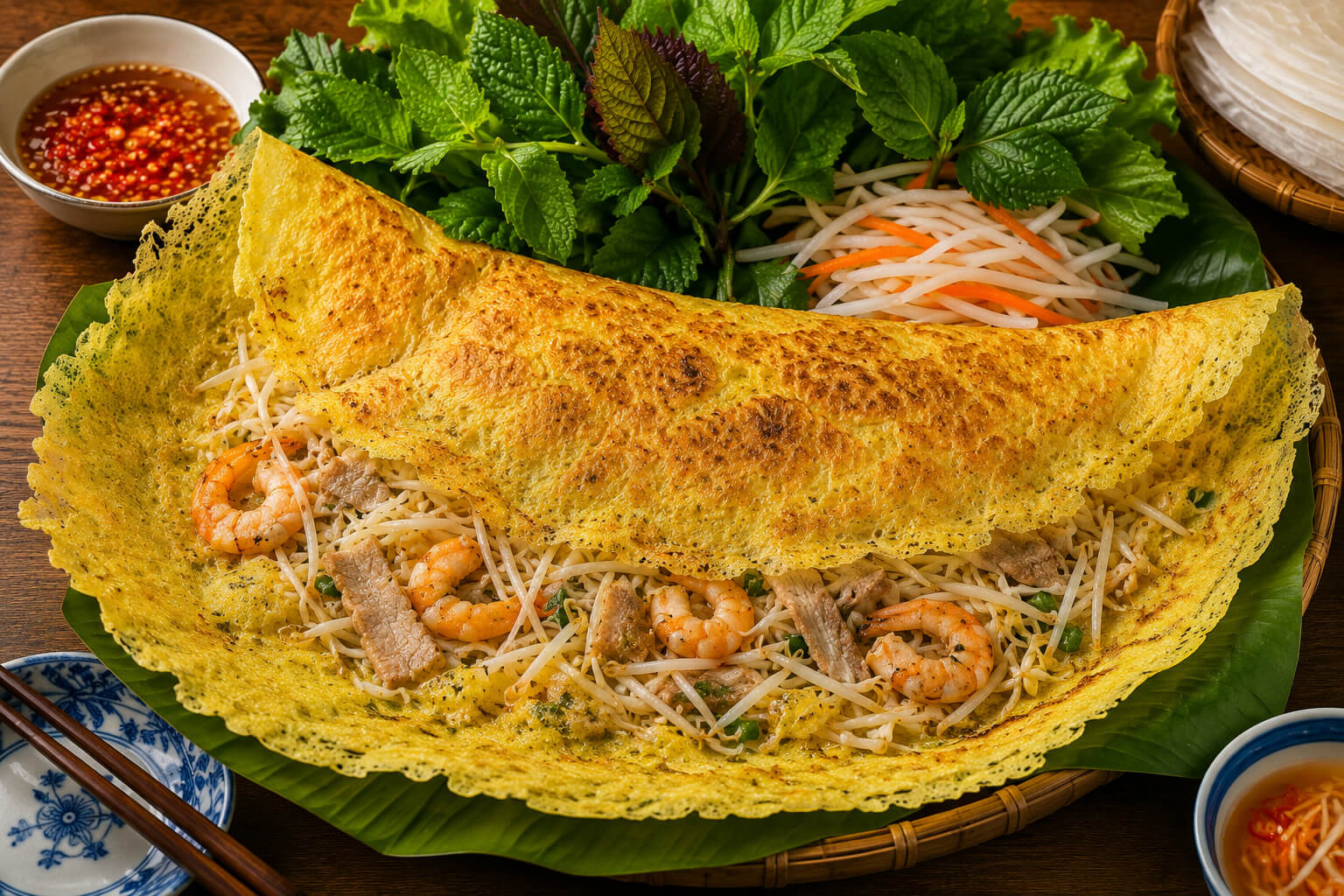
The standard Bis Keemiya: a thin pastry roll filled with chopped boiled egg, shredded cabbage, onion and smoked tuna, deep-fried until crisp and golden. Served warm with sweet black tea at teashops.

Ramadan iftar style
During the holy month, Bis Keemiya is prepared in large batches for the iftar table. The filling is often made a little more generous, and the rolls are served warm alongside dates, other short eats and sweet drinks to break the fast.
Thin sheets of dough rolled around the filling, then deep-fried until crisp and golden. Contains wheat.
Boiled and chopped, the egg gives Bis Keemiya its name (“bis”) and its soft, rounded character.
Finely shredded and lightly cooked, adding bulk and a gentle sweetness to the filling.
Finely chopped and mixed into the filling for sharpness.
Shredded smoked, dried skipjack tuna adds the savoury, umami note that ties the filling together.
A little curry powder, chilli and curry leaf season the filling without making it fiery.
A squeeze of lime brightens the filling.
The rolls are deep-fried until the pastry turns crisp and golden.
Local teashops (hotaa), Malé
📍 Malé — capital island
The classic place to eat Bis Keemiya: a busy teashop counter piled with short eats, washed down with sweet black tea. During Ramadan, teashops and markets are full of it before iftar.
Local-island cafés, Maafushi
📍 Maafushi — budget guesthouse island
Guesthouse and local cafes on Maafushi serve Bis Keemiya among their hedhikaa — an easy, affordable place for visitors to try short eats.
Cafés in Hulhumalé
📍 Hulhumalé — reclaimed island near the airport
Cafes near the airport stock Bis Keemiya and other short eats through the day — handy for a quick snack before or after a flight.
Teashops in Addu City
📍 Addu Atoll — the southern urban area
The southern atolls have a strong teashop tradition; Bis Keemiya here is just as much an afternoon and Ramadan staple as in the capital.
Local-island cafés, Dhigurah
📍 Dhigurah — South Ari Atoll
Cafes on whale-shark islands such as Dhigurah serve Bis Keemiya as an afternoon snack between excursions.
Resort ‘Maldivian night’ buffets
📍 Resort islands across the atolls
On themed Maldivian buffet nights, resorts lay out a selection of hedhikaa including Bis Keemiya — a relaxed way to sample short eats.
| Venue Type | MVR | USD (approx.) | INR (approx.) |
|---|---|---|---|
| Local teashop / hotaa (per piece) | $0.20–$0.40 | $0.20–$0.40 | ₹17–₹33 |
| Local-island café (per piece) | $0.30–$0.50 | $0.30–$0.50 | ₹25–₹42 |
| Café in Malé / Hulhumalé (per piece) | $0.40–$0.60 | $0.40–$0.60 | ₹33–₹50 |
| Short-eats plate (several pieces) | $2–$5 | $2–$5 | ₹165–₹415 |
Standard Bis Keemiya contains both egg and smoked tuna, so it is not vegetarian. Some home cooks make a version without the tuna, leaving egg, cabbage and onion, which suits egg-eating vegetarians, but this is not the standard teashop recipe. Maldivian food is halal, and Bis Keemiya contains no pork or alcohol.
Vegan note: Bis Keemiya is not vegan — it contains egg and fish. There is no widely available vegan version at teashops.
Bis Keemiya is a Maldivian short eat (hedhikaa): a thin pastry roll filled with egg, shredded cabbage, onion and smoked tuna, then deep-fried until crisp and golden. It resembles a spring roll and is especially popular during Ramadan.
Bis Keemiya is one of the most prepared short eats for iftar, the meal that breaks the daily fast during Ramadan. At sunset, families lay out plates of Bis Keemiya alongside dates, other hedhikaa and sweet drinks, so the dish has become closely tied to the holy month.
The filling is a savoury mixture of chopped boiled egg, finely shredded cabbage, onion and shredded smoked tuna, lightly seasoned with mild spices and curry leaf. The name “bis” refers to the egg.
It is generally mild. The egg and cabbage give it a soft, rounded flavour, and the spicing is gentle, which makes it popular with all ages and a good choice for those who prefer milder food.
No. The pastry is made from wheat flour, so Bis Keemiya is not gluten-free. The filling itself is gluten-free, but the pastry cannot be substituted.
Not the standard version, which contains both egg and smoked tuna. Some home cooks make a tuna-free version with just egg, cabbage and onion that suits egg-eating vegetarians, but this is not the usual teashop recipe.
Yes. Like all traditional Maldivian food it is halal — the filling is egg, vegetables and fish, with no pork or alcohol.
Gulha and bajiya have a chilli-forward tuna-and-coconut filling, with gulha being round dough balls and bajiya triangular pastries. Bis Keemiya is a roll with a milder egg-and-cabbage filling, and is the short eat most associated with Ramadan.
Very little — typically about $0.20–$0.60 per piece (roughly ₹17–50) at a local teashop or café. It is one of the cheapest and most satisfying snacks in the country.
At local teashops (hotaa) in Malé, in guesthouse cafes on local islands such as Maafushi or Dhigurah, in cafés in Addu City, and on resort Maldivian buffet nights. During Ramadan it is everywhere in the evenings.
Our specialists plan food-focused itineraries around what you want to eat.
Plan My Food Trip