Pearls of sago in sweet coconut milk — the Maldivian festive pudding.
Explore the Dish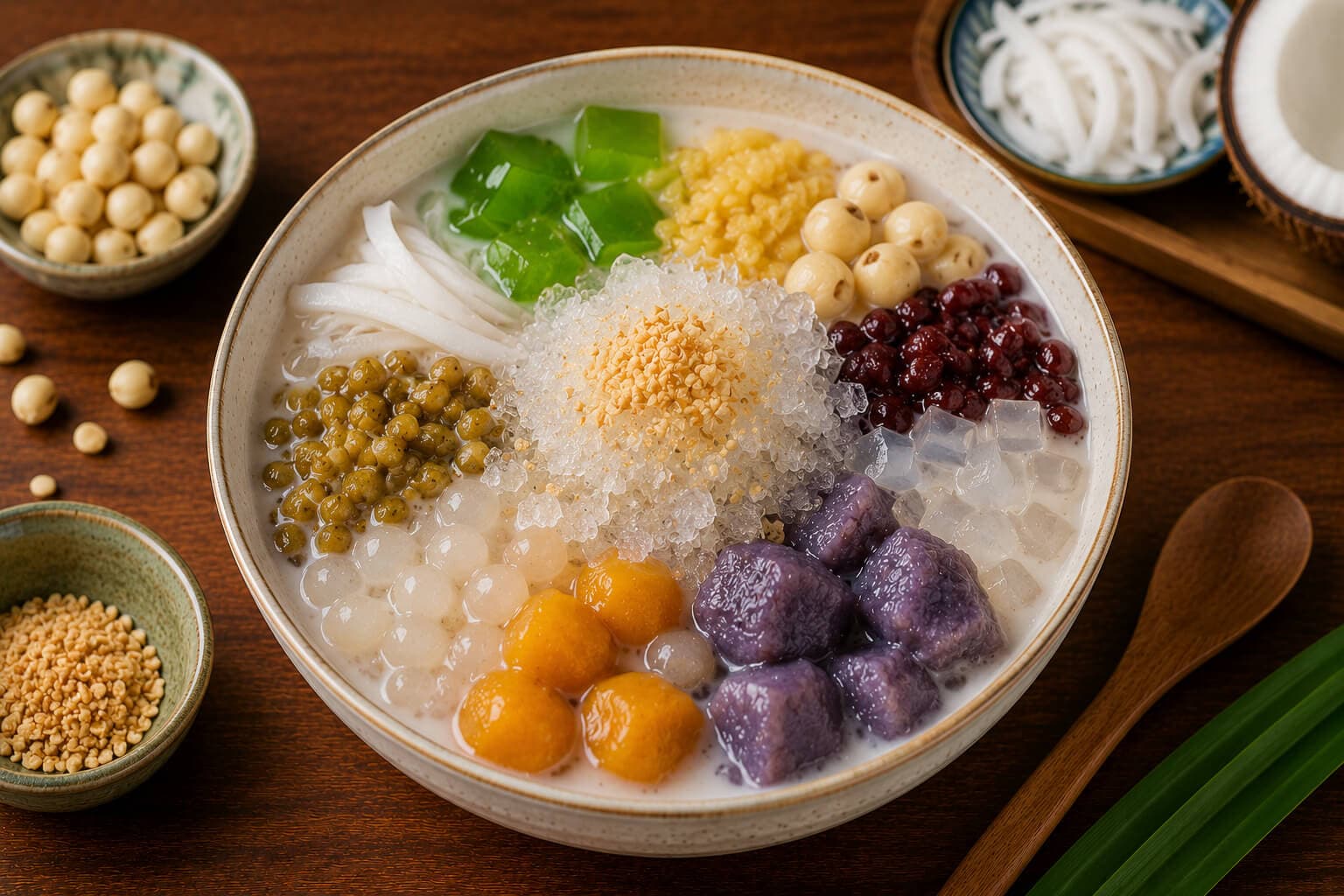
Saagu Bondibai is a beloved Maldivian dessert — soft, translucent sago pearls cooked in sweetened coconut milk and perfumed with cardamom and rosewater. Rich, fragrant and comforting, it is a festive pudding served at celebrations, family gatherings and Ramadan.
To make saagu bondibai, sago (tapioca pearls) are simmered until they turn soft and glassy, then cooked with thick coconut milk and sugar until the pudding is creamy and lightly thickened. Cardamom and rosewater give it a delicate floral fragrance, and some cooks add a pinch of salt or a handful of raisins or nuts. Served warm or chilled, it has a gentle, milky sweetness and the pleasing, slightly chewy texture of the sago pearls.
Bondibai is the Maldivian word for a sweet pudding, and saagu (sago) is one of the most popular versions. It belongs to the festive table, appearing at weddings, Eid, Ramadan iftars and family occasions, often served alongside its rice-based cousin handulu bondibai. For Indian visitors the dish is instantly recognisable — it is essentially a Maldivian sabudana kheer or sago payasam, sharing the coconut, cardamom and rosewater notes of South Asian milk puddings. It is naturally vegetarian and fully halal, made with no pork or alcohol.
Saagu bondibai reflects the Maldives' coconut-rich kitchen and its festive sweet tradition, shaped by Indian Ocean trade that brought sago, sugar, cardamom and rosewater to the islands. It became a celebration pudding shared across the atolls.
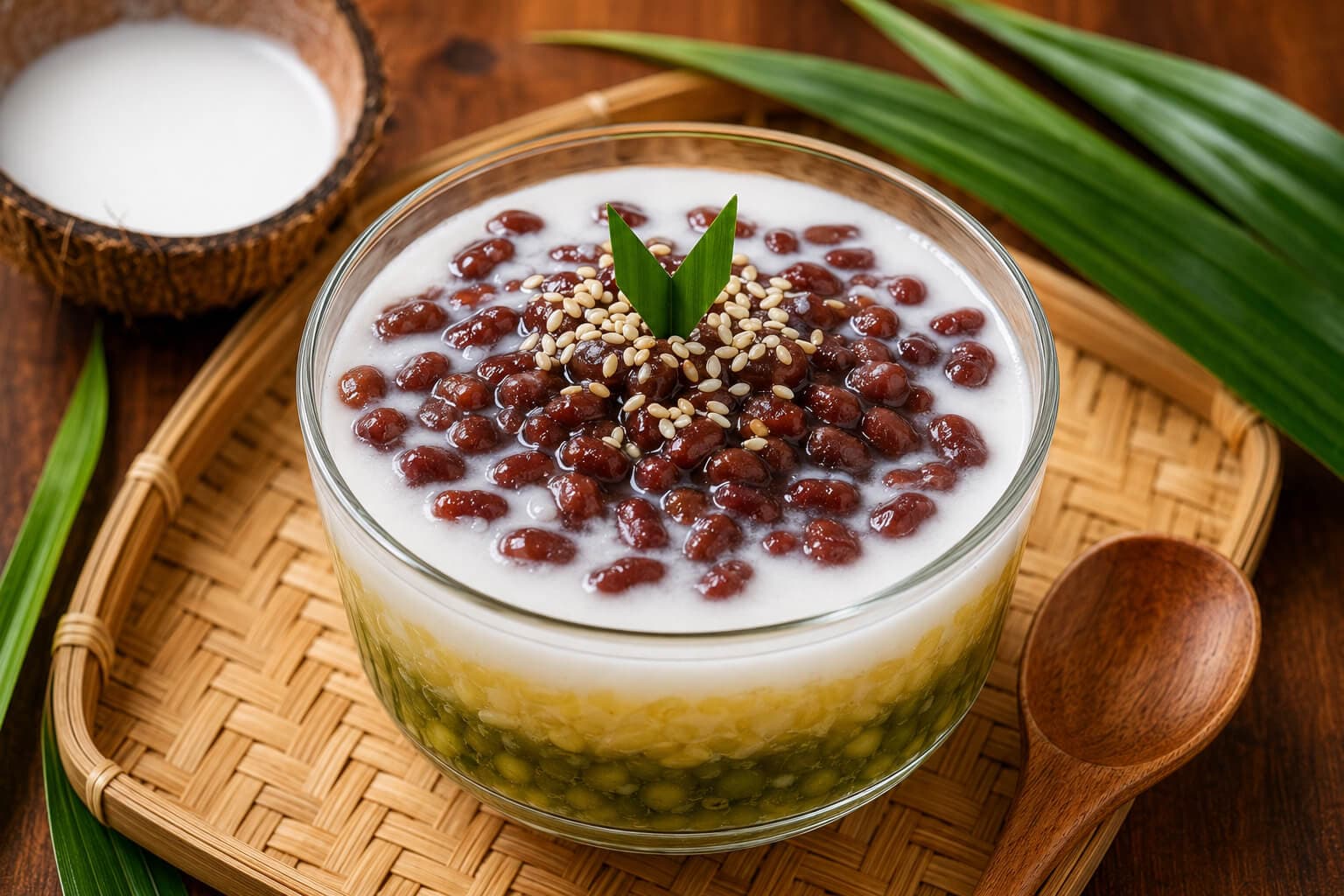
Saagu Bondibai
The standard version — sago pearls in sweetened coconut milk, scented with cardamom and rosewater. Served warm or chilled at celebrations.
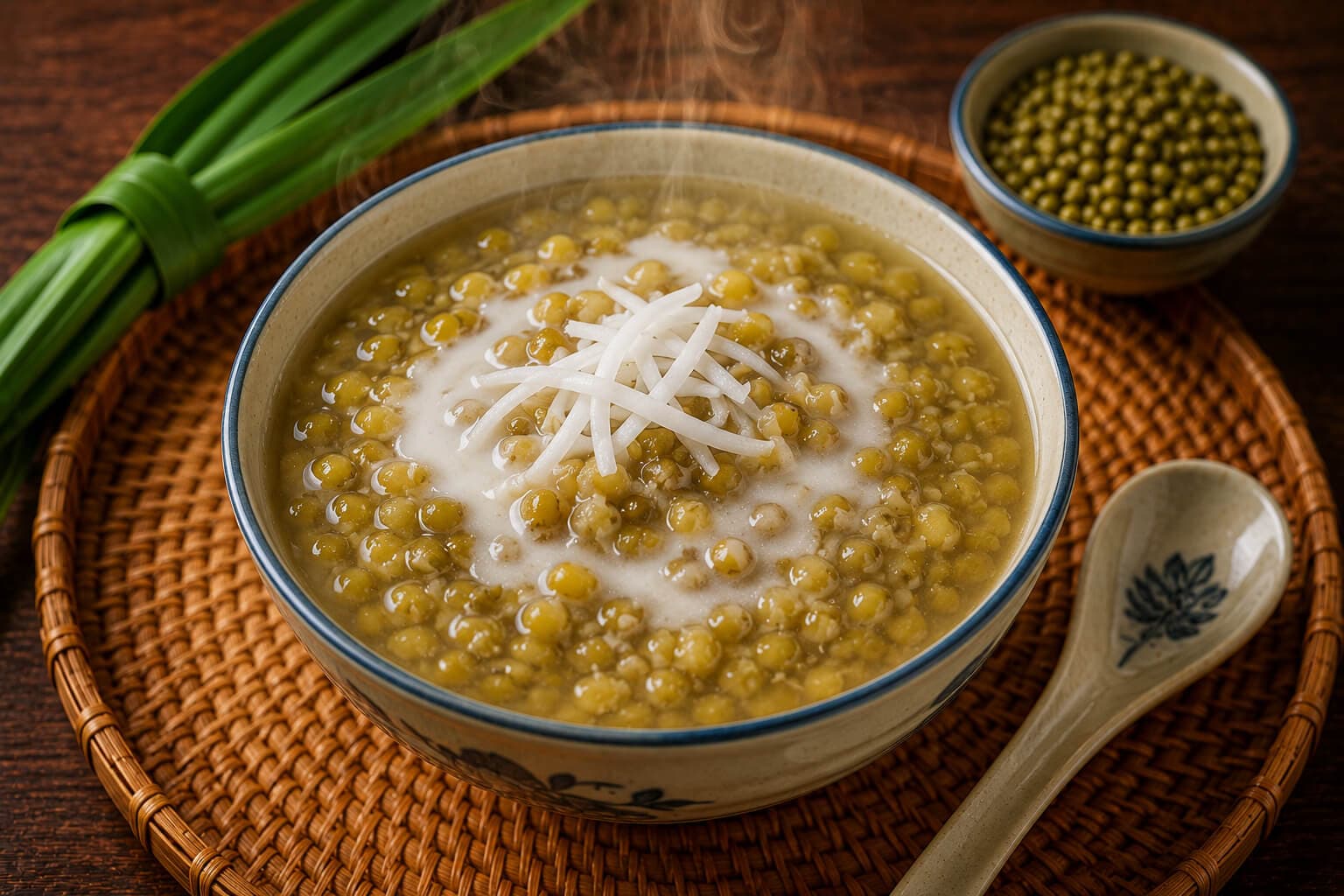
Handulu Bondibai
The closely related rice pudding, made with rice instead of sago in the same sweet coconut milk with rosewater and cardamom. Often served alongside saagu bondibai.
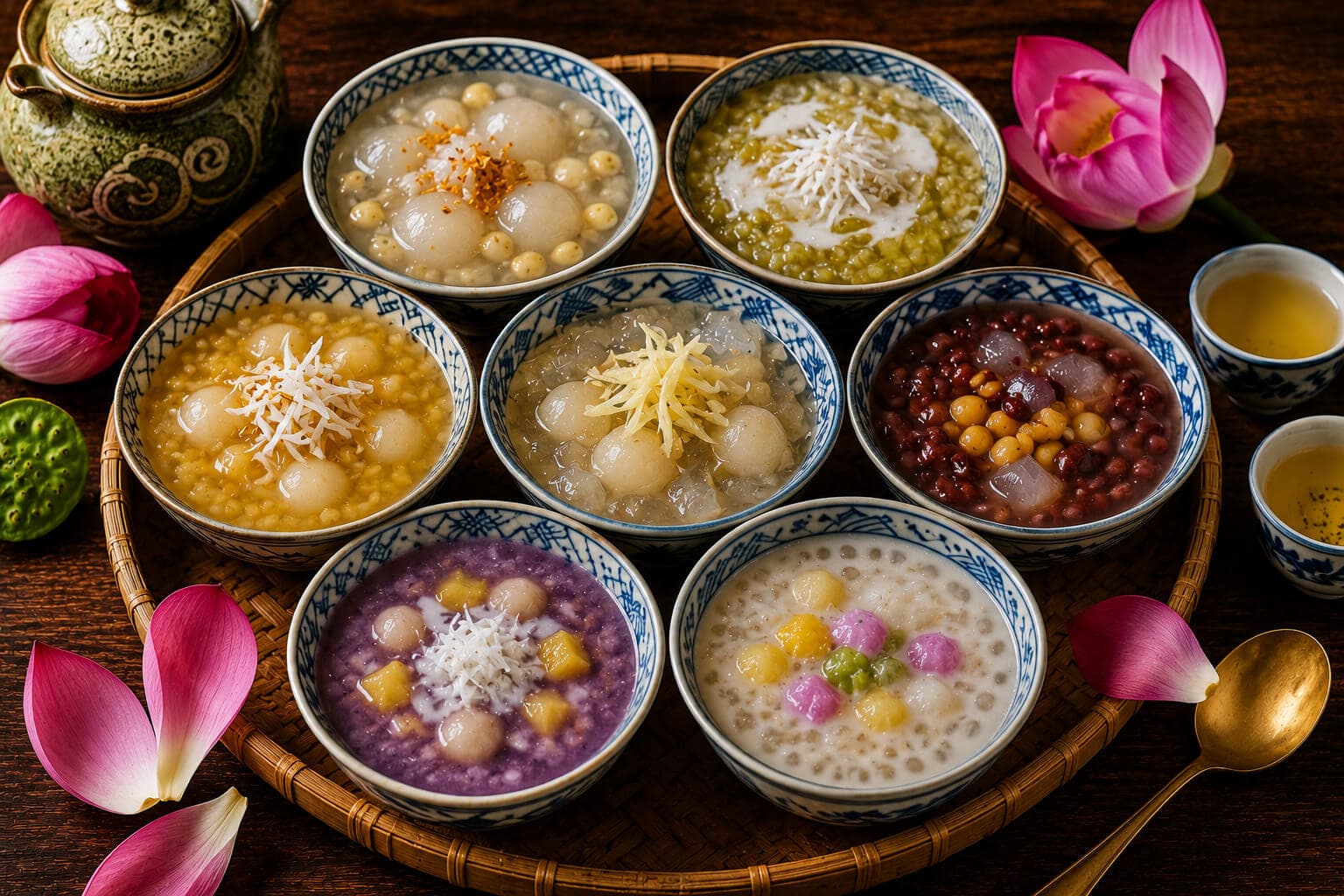
Festive Saagu Bondibai
A richer celebration version with extra coconut cream, raisins and nuts stirred through, made thicker and more indulgent for weddings and Eid.
Sago / tapioca pearls, cooked until soft and translucent
Thick coconut milk, the creamy base of the pudding
Sugar to sweeten
Cardamom for warm, fragrant spice
Rosewater for a delicate floral note
A pinch of salt to balance the sweetness
Raisins or nuts in richer versions (optional)
Local Hotaa (Teashops), Malé
📍 Around Majeedhee Magu, Malé
Malé teashops serve Maldivian sweets, with saagu bondibai appearing especially around Ramadan and festive times. An affordable, authentic taste of the pudding.
Seagull Cafe House
📍 Fareedhee Magu, Malé
A comfortable Malé cafe serving Maldivian short eats and desserts. A good place to try saagu bondibai in a relaxed setting with an English menu.
Hulhumalé Cafes
📍 Central Hulhumalé
Cafes in Hulhumalé offer Maldivian desserts including coconut puddings. A handy stop near the airport island to try a sweet sago pudding.
Maafushi Guesthouse Kitchens
📍 Maafushi Island, Kaafu Atoll
Guesthouses on Maafushi serve home-style Maldivian desserts, with saagu bondibai made fresh for guests, especially at celebrations.
Resort Maldivian Night Buffets
📍 Resort islands, North & South Malé Atolls
Resorts present Maldivian desserts at their weekly Maldivian buffet, where saagu bondibai features among the local sweets. A polished introduction.
Thoddoo Island Cafes
📍 Thoddoo Island, Alif Alif Atoll
Cafes on Thoddoo serve Maldivian sweets alongside their meals, with coconut puddings a festive favourite. Generous and inexpensive.
| Venue Type | MVR | USD (approx.) | INR (approx.) |
|---|---|---|---|
| Teashop (hotaa) | Local | $1 — $3 | ₹83 — ₹250 |
| Cafe | Local | $2 — $4 | ₹167 — ₹333 |
| Guesthouse dessert | Local | $2 — $4 | ₹167 — ₹333 |
| Resort buffet | Resort | Included | Included |
Saagu bondibai is naturally vegetarian — made from sago, coconut milk, sugar, cardamom and rosewater, with no fish or animal products.
No special request is needed — the pudding is vegetarian by nature. Simply ask for "saagu bondibai".Vegan note: It is naturally vegan, as it uses coconut milk rather than dairy and contains no egg.
Jain note: Generally suitable for Jain diners, containing sago, coconut, sugar and aromatics with no onion, garlic or root vegetables.
Saagu Bondibai is a Maldivian dessert of soft sago pearls cooked in sweetened coconut milk and scented with cardamom and rosewater. It is a festive pudding served at celebrations.
It is gently sweet and creamy, with a delicate floral fragrance from rosewater and cardamom and the pleasing, slightly chewy texture of the sago pearls.
Yes — it is made from sago, coconut milk, sugar and aromatics, with no fish or animal products, so it is fully vegetarian.
Yes — like all traditional Maldivian food it contains no pork or alcohol and is fully halal.
Saagu bondibai is made with sago pearls, while handulu bondibai uses rice. Both are sweet coconut-milk puddings with rosewater and cardamom, and are often served together.
It is a festive dessert, served at weddings, Eid, Ramadan iftars and family gatherings, and increasingly on resort buffets.
Yes — it is made from sago (tapioca), which is naturally gluten-free.
Yes — it uses coconut milk rather than dairy and contains no egg, so it is naturally vegan.
At teashops and cafes on inhabited islands (especially around Ramadan), in guesthouse kitchens, and on resort "Maldivian night" dessert spreads.
It is very close to a sago kheer or sabudana payasam, sharing the coconut, cardamom and rosewater notes of South Asian milk puddings.
Our specialists plan food-focused itineraries around what you want to eat.
Plan My Food Trip