The everyday coconut tuna curry at the heart of the Maldivian kitchen.
Explore the Dish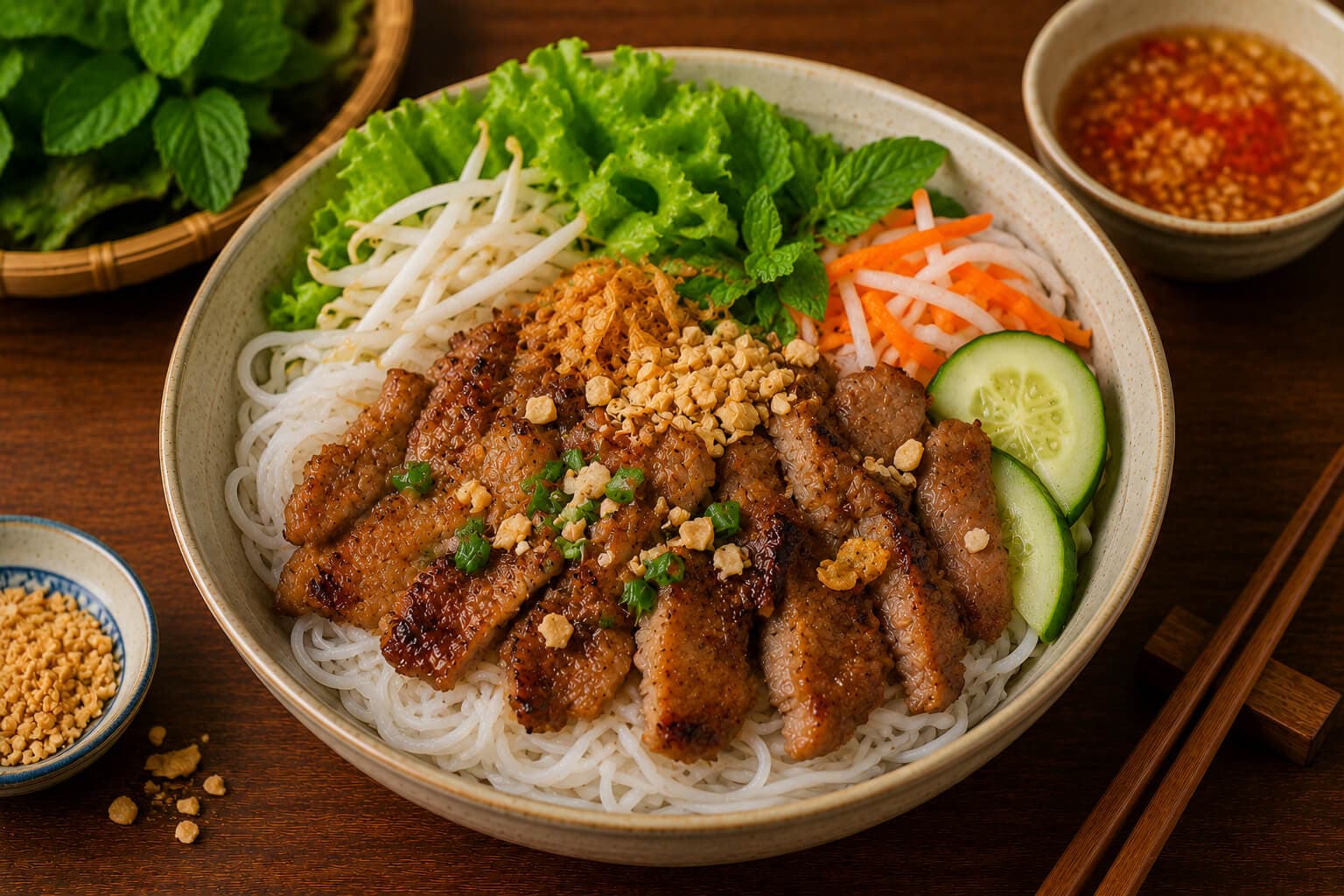
Mas Riha is the Maldives' everyday fish curry — firm chunks of fresh tuna (or other reef fish) gently simmered in coconut milk with chilli, curry leaves, pandan, ginger, garlic and a fragrant blend of Maldivian curry spices. It is one of the most-cooked dishes in the country, eaten with steamed rice or warm roshi flatbread.
Unlike thin tuna broths such as garudhiya, mas riha is a thick, saucy curry. The coconut milk gives it body and a mellow sweetness, while curry leaves, pandan (rampe) and screwpine perfume the pot. A grind of dried red chillies, turmeric, cumin and coriander — sometimes a touch of bottled Maldivian curry paste — carries the heat and colour. The tuna is added in robust chunks and cooked just until it flakes, so it holds its shape in the sauce rather than dissolving into it.
For Indian visitors the dish feels instantly familiar — it sits close to a South Indian or Sri Lankan fish curry, with the coconut-and-curry-leaf base that runs along the Indian Ocean. The Maldivian signature is the tuna itself: skipjack and yellowfin are landed fresh daily across the islands, so mas riha tastes of the sea rather than the freezer. It is wholly halal, made with no pork or alcohol, and is a comforting introduction to home-style island cooking. Mopped up with roshi or spooned over rice, it is the dish most Maldivian families return to again and again.
Mas riha grew from the two pillars of Maldivian life — tuna fishing and the coconut palm. With abundant fresh fish and coconut on every inhabited island, a coconut-milk fish curry became the natural everyday meal, refined over centuries by spice routes crossing the Indian Ocean.
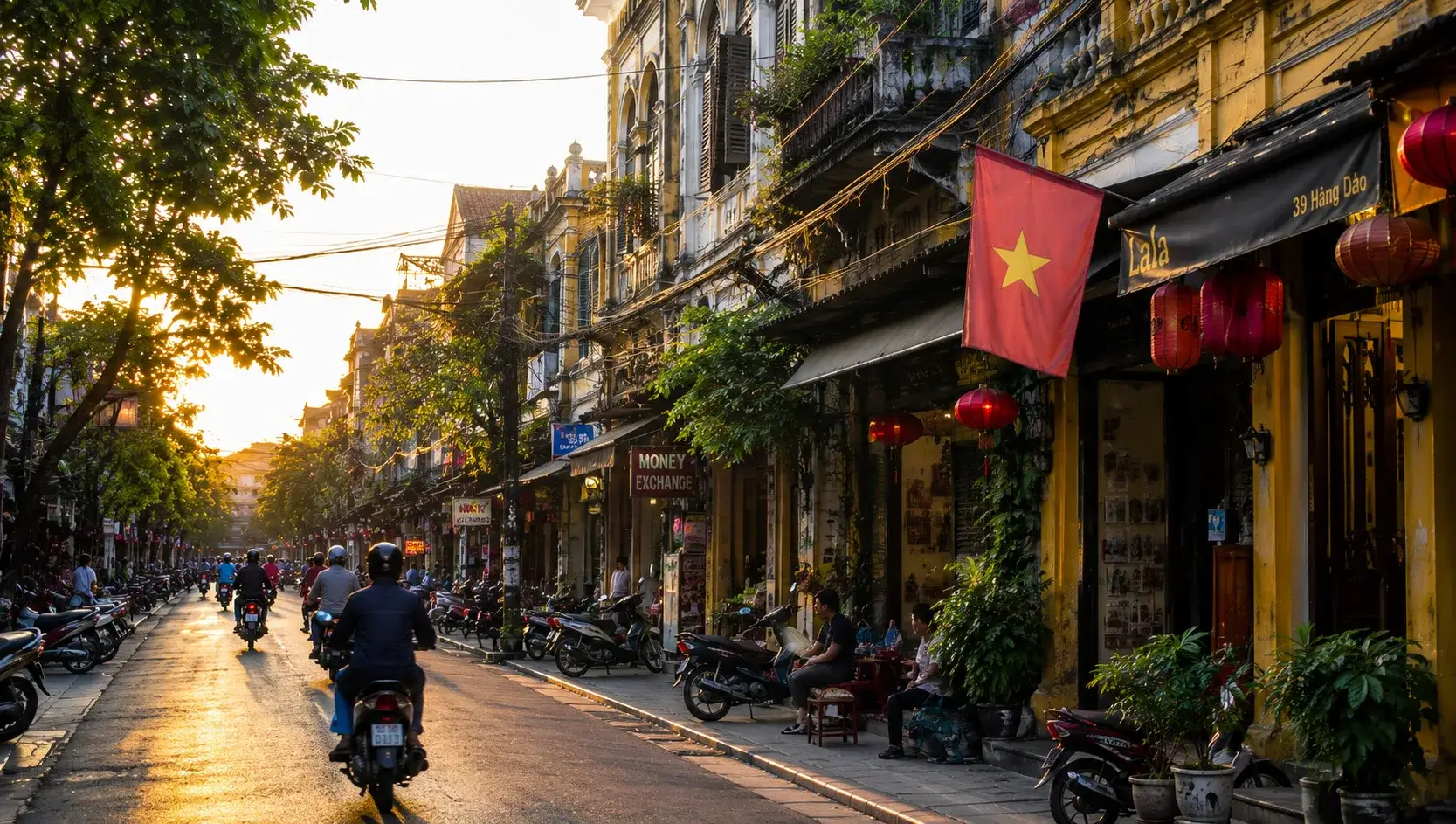
Kanneli Mas Riha
The standard household version — fresh skipjack or yellowfin tuna in a medium-thick coconut curry with curry leaves, pandan, chilli, ginger and garlic. Served with rice or roshi at lunch and dinner.
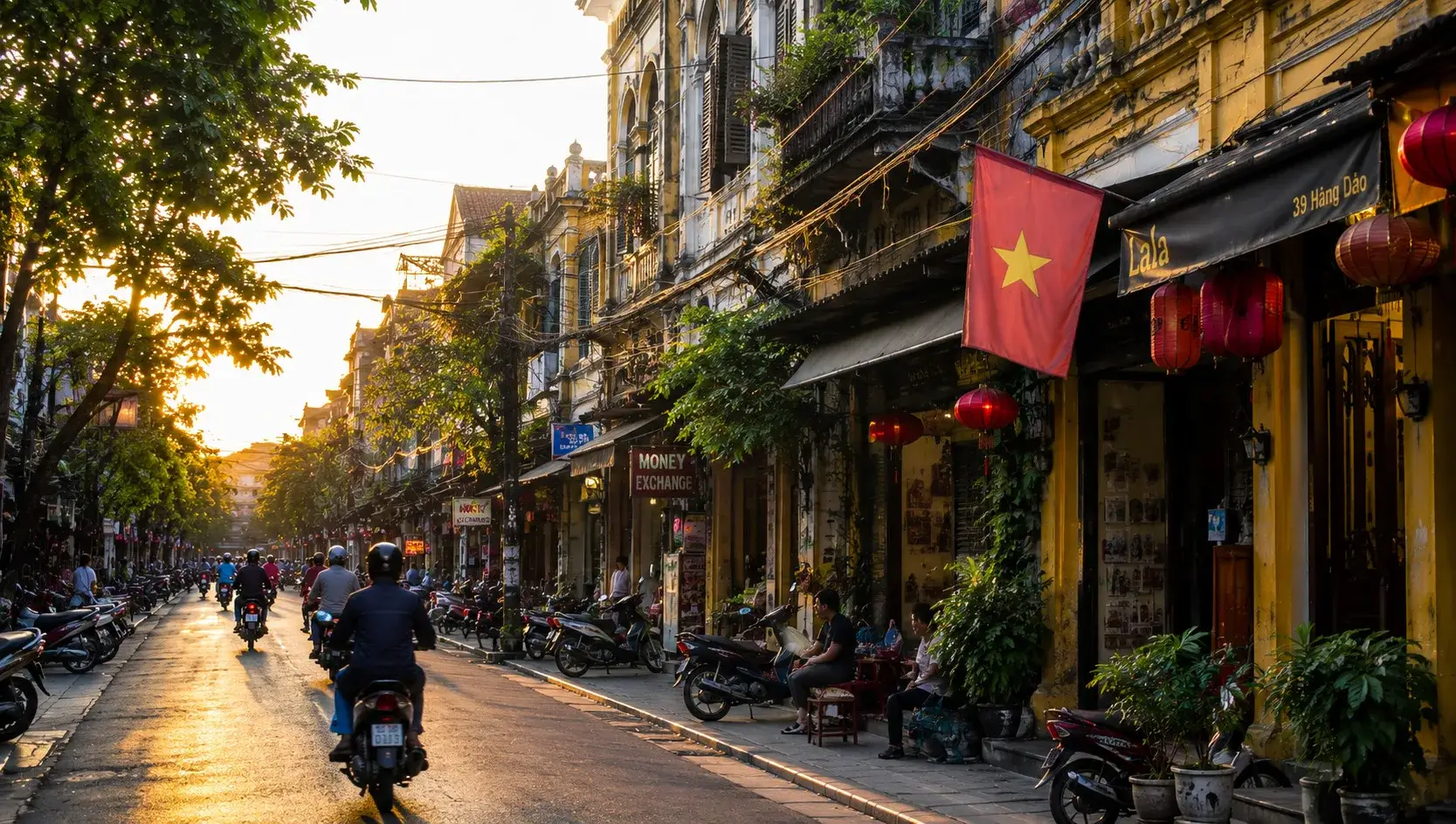
Reef Fish Mas Riha
On islands with a good reef catch, the curry is made with grouper, snapper or other reef fish instead of tuna. The flesh is more delicate and the sauce often a little lighter.
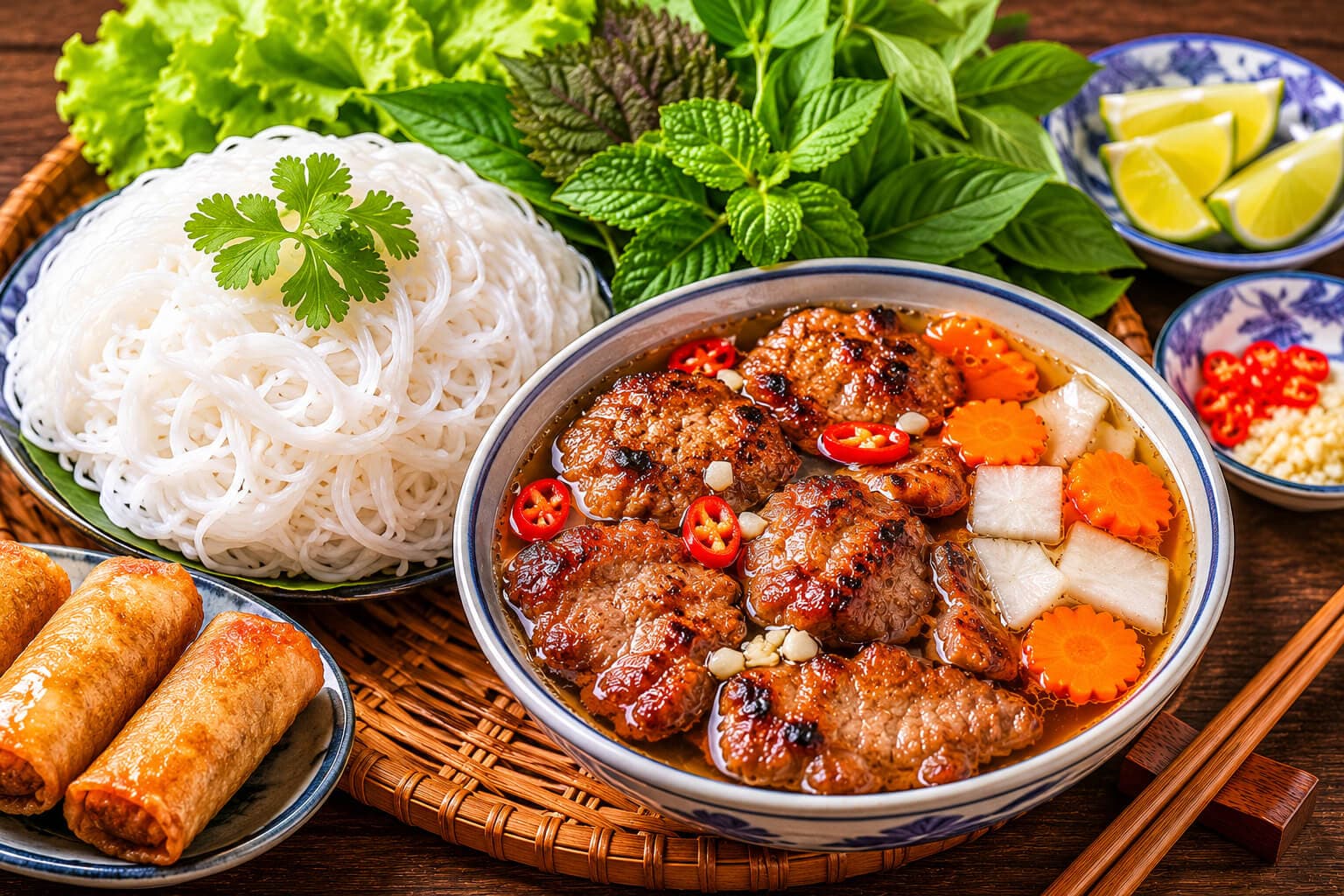
Garudhiya (Clear Tuna Broth)
Garudhiya is the lean cousin — a clear tuna broth with no coconut milk, served with rice, lime and chilli. Where mas riha is rich and saucy, garudhiya is clean and brothy. Both are everyday tuna dishes.
Fresh tuna (skipjack or yellowfin), cut into firm chunks — reef fish on some islands
Thick coconut milk (kaashi kiru), the body of the curry
Ground turmeric, cumin, coriander, dried red chilli — or bottled Maldivian curry paste
Ginger, garlic and sliced onion, lightly fried as the base
Fresh curry leaves, fried into the oil for fragrance
Pandan / screwpine (rampe) leaf, knotted into the pot
Fresh green or dried red chillies for heat
A squeeze of lime to finish and brighten the sauce
Salt to season — sometimes a little fenugreek for depth
Symphony Restaurant
📍 Boduthakurufaanu Magu, Malé
A reliable Malé spot for home-style Maldivian curries, including a properly spiced mas riha served with rice and roshi. Comfortable and used to visitors.
Seagull Cafe House
📍 Fareedhee Magu, Malé
A long-running Malé cafe that serves Maldivian short eats and curries. Good for trying mas riha alongside hedhikaa in a relaxed setting with an English menu.
Local Hotaa (Teashops), Malé
📍 Various, around Majeedhee Magu, Malé
The neighbourhood teashops serve a daily fish curry with rice at lunch — the most authentic and affordable way to eat mas riha as locals do.
Maafushi Local Guesthouse Kitchens
📍 Maafushi Island, Kaafu Atoll
Budget guesthouses on Maafushi serve home-cooked Maldivian dinners where mas riha is a regular feature, freshly made with the day's tuna catch.
Resort Maldivian Night Buffets
📍 Resort islands, North & South Malé Atolls
Most resorts host a weekly Maldivian-themed buffet where mas riha appears among the local curries, served with roshi, rice and sambols. A polished introduction for first-timers.
Thoddoo Island Cafes
📍 Thoddoo Island, Alif Alif Atoll
Cafes on the agricultural island of Thoddoo serve hearty Maldivian set meals, with fish curry and rice a daily staple. Fresh, generous and inexpensive.
| Venue Type | MVR | USD (approx.) | INR (approx.) |
|---|---|---|---|
| Teashop (hotaa) lunch | Local | $3 — $5 | ₹250 — ₹415 |
| Local restaurant | Local | $5 — $8 | ₹415 — ₹665 |
| Guesthouse dinner | Local | $6 — $9 | ₹500 — ₹750 |
| Resort restaurant | Resort | $12 — $20 | ₹1,000 — ₹1,665 |
Mas riha is defined by its tuna or reef fish. There is no traditional vegetarian version under this name, though the same coconut curry base is sometimes used for vegetables.
Ask whether the kitchen can make a vegetable curry (tarukaaree riha) in the same coconut-and-spice style without fish.Vegan note: The fish-free coconut vegetable curry is naturally vegan; the standard mas riha is not.
Jain note: Not suitable for vegetarian, vegan or Jain diners in its authentic form, as it is built on fish. It does contain onion and garlic.
Mas riha is the everyday Maldivian fish curry — chunks of fresh tuna (or reef fish) simmered in coconut milk with chilli, curry leaves, pandan, ginger and garlic. It is eaten with rice or roshi flatbread.
Mas riha is a thick, coconut-based curry, while garudhiya is a clear tuna broth with no coconut. Mas riha is rich and saucy; garudhiya is lean and clean. Both are staple tuna dishes eaten across the Maldives.
It is usually medium-spiced. The chilli heat is balanced by the coconut milk, but you can ask for a milder version if you are sensitive to spice.
Yes — like all traditional Maldivian food it is fully halal, made with fish and contains no pork or alcohol.
It is most often served with steamed rice or warm roshi flatbread. Many Maldivians tear the roshi to scoop up the coconut curry sauce.
Usually fresh tuna — skipjack or yellowfin — landed daily across the islands. On some islands reef fish such as grouper or snapper is used instead.
Not in its authentic form, as it is a fish curry. However, the same coconut-and-spice base is sometimes used to make a vegetable curry, which is worth asking for.
The curry itself is naturally gluten-free. Just note that the roshi flatbread commonly served with it is made from wheat flour and contains gluten.
You will find it at local teashops (hotaa) and cafes on inhabited islands, in guesthouse kitchens on islands like Maafushi and Thoddoo, and on resort "Maldivian night" buffets.
It is close to a South Indian or Sri Lankan coconut fish curry, sharing the coconut-milk and curry-leaf base. The Maldivian signature is the very fresh tuna and the use of pandan.
Our specialists plan food-focused itineraries around what you want to eat.
Plan My Food Trip