Stuffed, griddled, irresistible — the teashop favourite filled with spiced tuna
Explore the Dish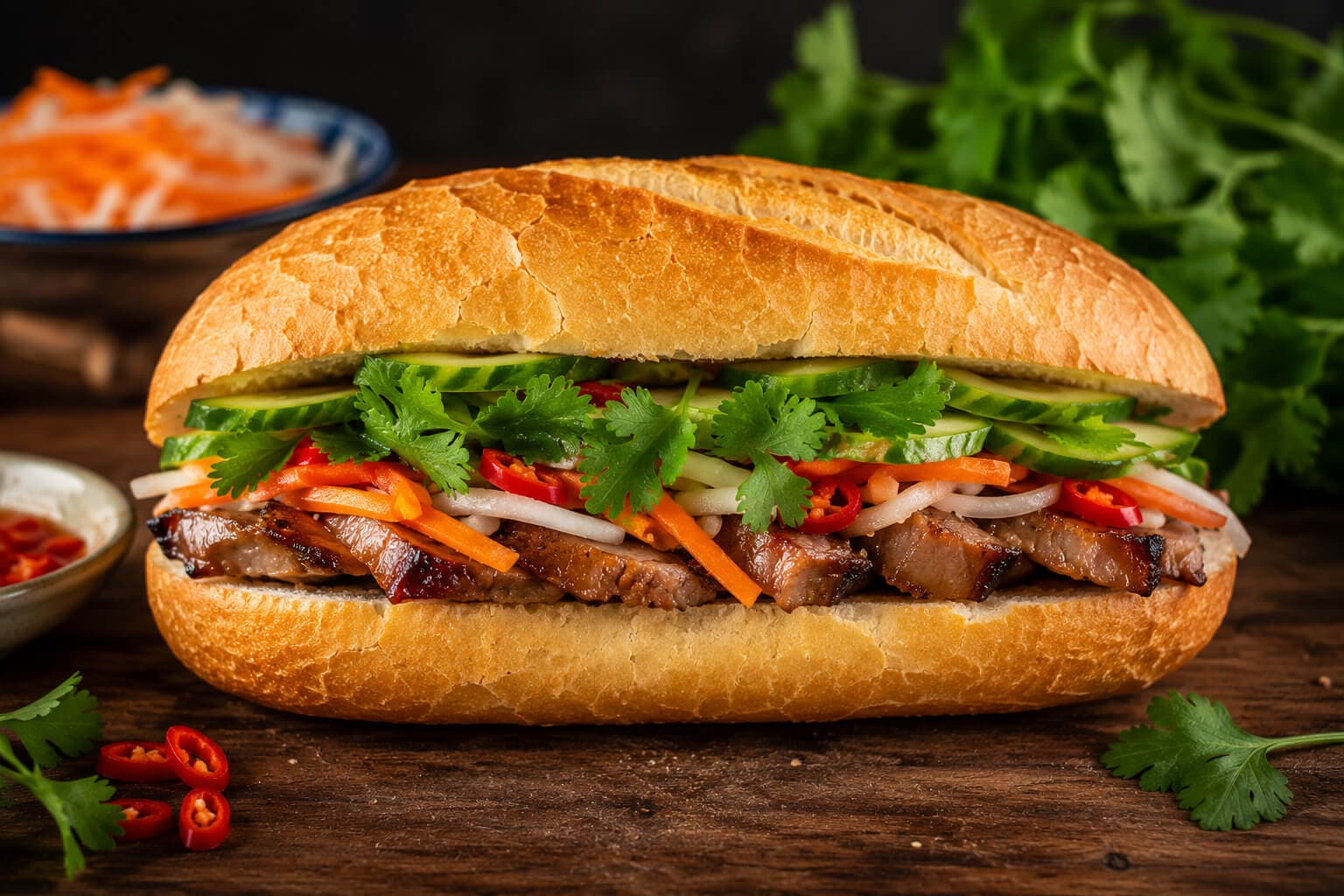
Masroshi is one of the best-loved Maldivian ‘short eats’ (hedhikaa): a round of soft roshi dough wrapped around a spiced filling of smoked tuna and freshly grated coconut, then flattened and cooked on a hot griddle until the outside is golden and a little blistered. It is savoury, lightly spiced and just oily enough to be deeply satisfying with a cup of tea.
The filling is essentially a seasoned mas huni mixture — shredded smoked skipjack tuna (valhomas), grated coconut, onion, chilli and lime — cooked down a little so it holds together, then sealed inside the dough. Because everything is enclosed and griddled, Masroshi travels well and stays good for hours, which is part of why it became such a teashop staple.
You will find Masroshi piled on the counters of Malé teashops (hotaa) and local-island cafés, eaten in the afternoon with sweet black tea as part of the Maldivian short-eats ritual. It is a quick, filling snack rather than a sit-down meal.
Masroshi belongs to the family of Maldivian hedhikaa — the savoury and sweet short eats that grew up around the islands’ teashop culture. It combines the two pillars of the Maldivian kitchen, roshi flatbread and spiced smoked tuna, into a single portable parcel. As teashops (hotaa) became social hubs across the atolls, stuffed and fried short eats like Masroshi became the everyday accompaniment to afternoon tea.
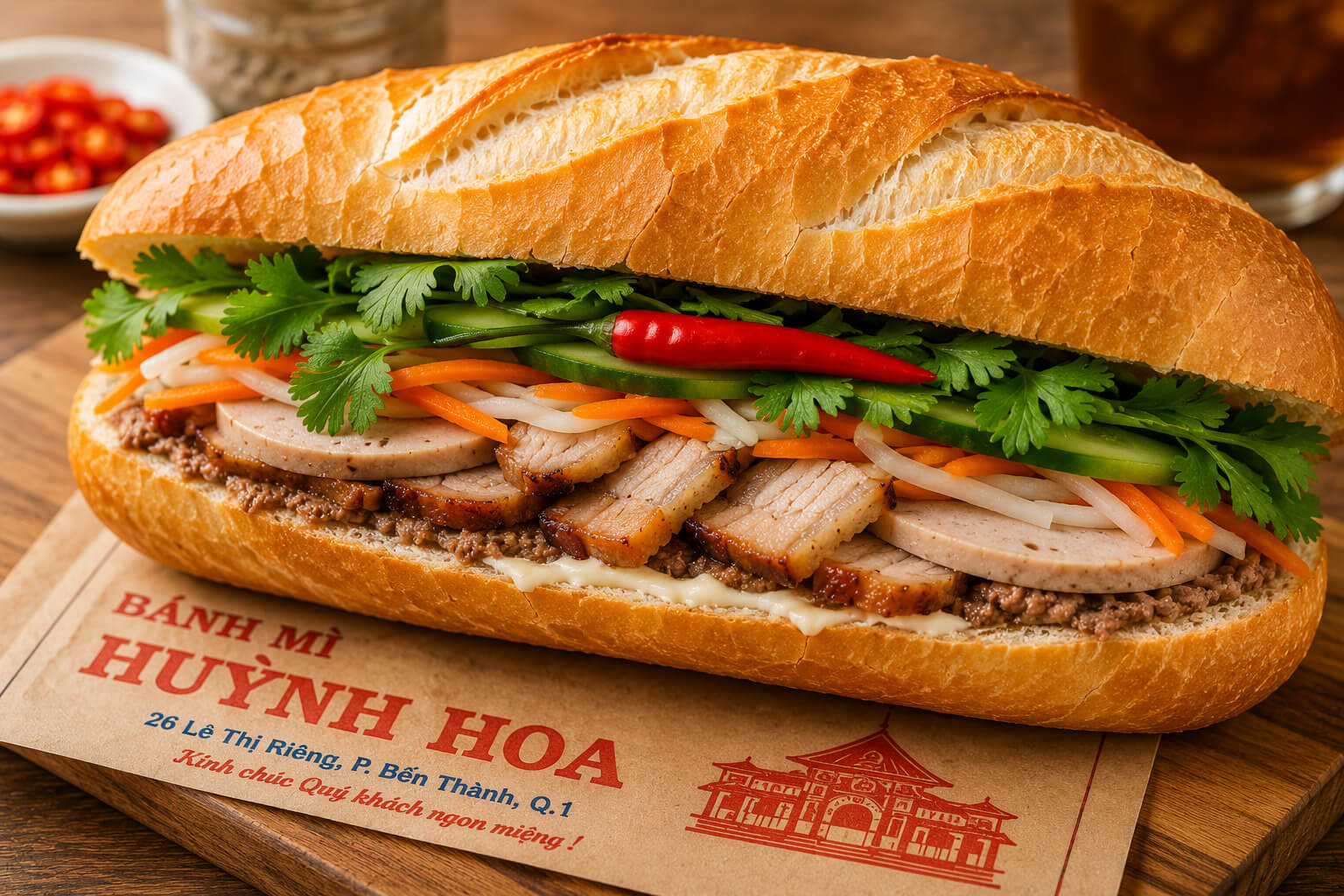
Classic Masroshi
Soft roshi dough wrapped around a spiced smoked-tuna-and-coconut filling and griddle-cooked until golden. The standard short eat you will see stacked on teashop counters across the country.
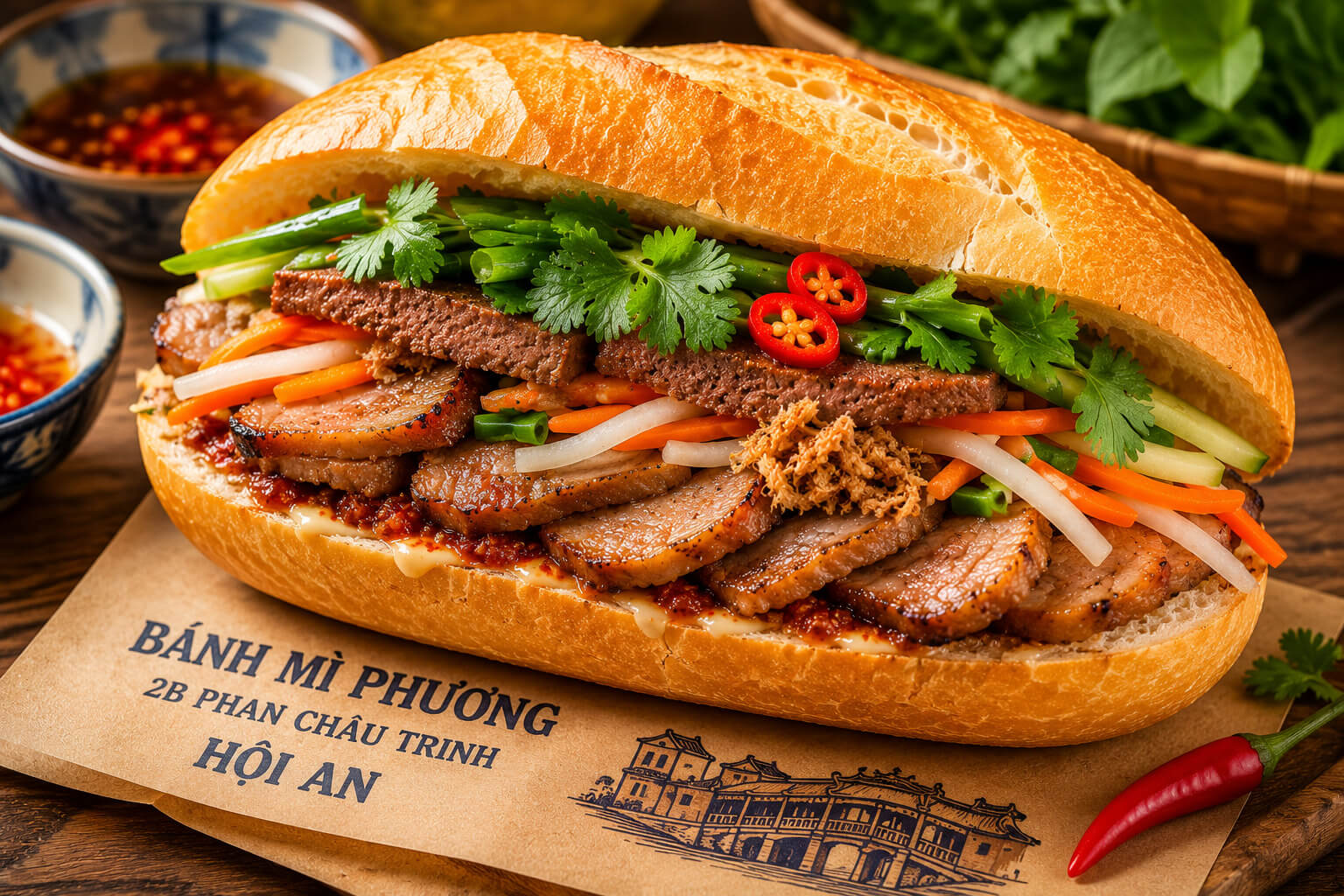
Household Masroshi
Made at home with a thicker, more generously filled round and chilli adjusted to family taste. Often cooked fresh for an afternoon snack or for guests, and eaten warm with sweet tea.
Roshi dough (wheat flour, water, a little salt and oil) — soft and pliable
Local teashops (hotaa), Malé
📍 Malé — capital island
The classic place to eat Masroshi: a busy teashop counter stacked with short eats, washed down with sweet black tea in the afternoon.
Local-island cafés, Maafushi
📍 Maafushi — budget guesthouse island
Guesthouse and local cafes on Maafushi serve Masroshi among their hedhikaa — an easy place for visitors to try short eats.
Cafés in Hulhumalé
📍 Hulhumalé — reclaimed island near the airport
Cafes near the airport stock Masroshi and other short eats throughout the day — handy for a quick, filling snack.
Resort ‘Maldivian night’ buffets
📍 Resort islands across the atolls
On themed Maldivian buffet nights, resorts lay out a selection of hedhikaa including Masroshi — a relaxed way to sample short eats.
Local-island cafés, Dhigurah
📍 Dhigurah — South Ari Atoll
Cafes on whale-shark islands such as Dhigurah serve Masroshi as an afternoon snack between excursions.
Teashops in Addu City
📍 Addu Atoll — the southern urban area
The southern atolls have a strong teashop tradition; Masroshi here is just as much an afternoon staple as in the capital.
| Venue Type | MVR | USD (approx.) | INR (approx.) |
|---|---|---|---|
| Local teashop (hotaa), per piece | $0.30–$0.80 | $0.30–$0.80 | ₹25–65 |
| Café / guesthouse, per piece | $0.50–$1.00 | $0.50–$1.00 | ₹40–85 |
| Short-eats plate (several pieces) | $2–$5 | $2–$5 | ₹165–415 |
Masroshi is defined by its smoked-tuna filling, so there is no traditional vegetarian version. Vegetarian travellers may prefer plain roshi with a vegetable curry, or sweet hedhikaa, instead.
Ask whether the café has any vegetable-filled short eats if you do not eat fish.Vegan note: Standard Masroshi is not vegetarian or vegan. Plain roshi is a vegan-friendly alternative.
Jain note: The filling contains onion as well as fish. Jain travellers should opt for plain roshi or a suitable vegetable dish instead.
Masroshi is a Maldivian short eat (hedhikaa): roshi flatbread dough wrapped around a spiced filling of smoked tuna and grated coconut, then cooked on a griddle until golden. It is eaten at tea time with sweet black tea.
A spiced mixture of shredded smoked tuna (valhomas), freshly grated coconut, onion, chilli and lime, sometimes with curry leaves and a little spice, all sealed inside soft roshi dough.
It is usually mild to medium. The chilli is in the filling and varies by cook, so ask for a milder version if you are sensitive to heat.
Yes. Like all traditional Maldivian food it is halal — it contains tuna, coconut and flour, with no pork or alcohol.
Yes — the roshi dough is made from wheat flour, so Masroshi is not gluten-free. The filling itself is gluten-free, but the dough cannot be substituted.
Not traditionally, as the filling is smoked tuna. Vegetarian visitors usually choose plain roshi with a vegetable curry, or sweet short eats, instead.
Most often in the afternoon at tea time, as part of the short-eats (hedhikaa) ritual at teashops, though it is also eaten at breakfast.
At local teashops (hotaa) in Malé, in guesthouse cafes on local islands such as Maafushi or Dhigurah, and on resort Maldivian buffet nights.
Short eats like Masroshi are very cheap — typically about $0.30–$1 each (roughly ₹25–85) at a local teashop or café.
They share a similar tuna-and-coconut filling, but Mas Huni is a raw, hand-mixed breakfast eaten with roshi on the side, while Masroshi seals a cooked, spiced version of that mix inside the dough and griddles it into a stuffed snack.
Our specialists plan food-focused itineraries around what you want to eat.
Plan My Food Trip