"Sea chicken" — tuna slow-cooked until rich in a spiced coconut curry.
Explore the Dish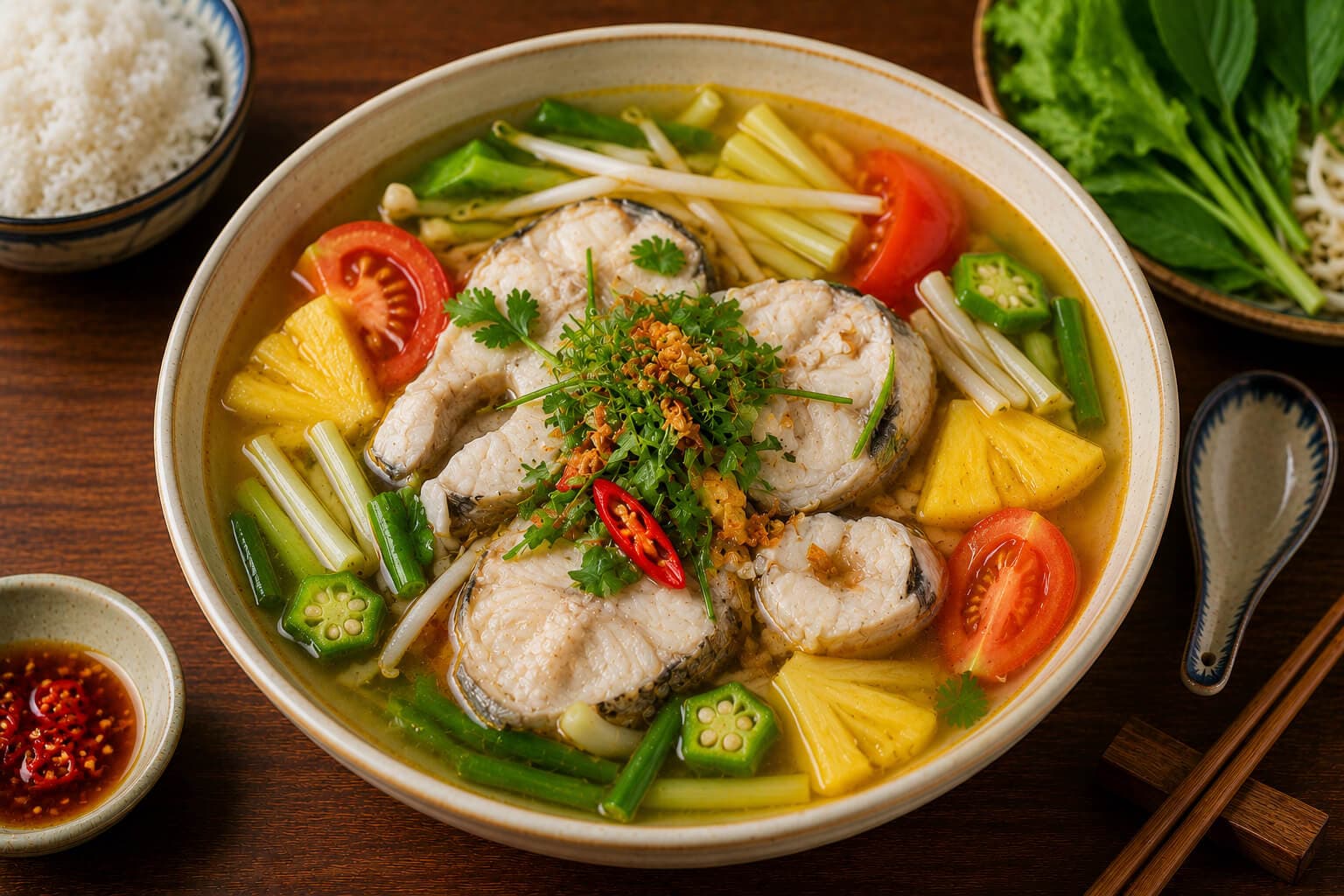
Kandu Kukulhu — literally "sea chicken" — is a Maldivian dish of tuna slow-cooked in a thick, spiced coconut curry. The name is a nod to how the tender, slow-simmered tuna takes on a meaty, satisfying quality reminiscent of a chicken curry, making it a beloved comfort dish across the islands.
To make kandu kukulhu, chunks of tuna are gently cooked low and slow in coconut milk with onion, ginger, garlic, curry leaves, pandan and a blend of Maldivian curry spices — turmeric, cumin, coriander, chilli and often a touch of cinnamon or cardamom. The long, gentle cooking lets the fish absorb the spices and the sauce reduce to a rich, clinging gravy. Unlike the lighter, everyday mas riha, kandu kukulhu is deliberately slow-cooked for a deeper, more concentrated flavour.
The dish earns its "sea chicken" nickname because the slow-cooked tuna becomes firm and meaty, eaten much as one would a chicken curry — with rice or warm roshi to mop up the sauce. For Indian travellers it will feel close to a rich coconut fish curry from the southern coast, with the unmistakable Maldivian fingerprint of fresh tuna and pandan. It is wholly halal, made with no pork or alcohol, and is a favourite for family lunches and special occasions.
Kandu kukulhu reflects the Maldivian genius for making the most of the tuna catch — transforming the same fish that fills every kitchen into a slow-cooked, curry-rich dish that mimics the heartiness of meat on islands where land animals were scarce.
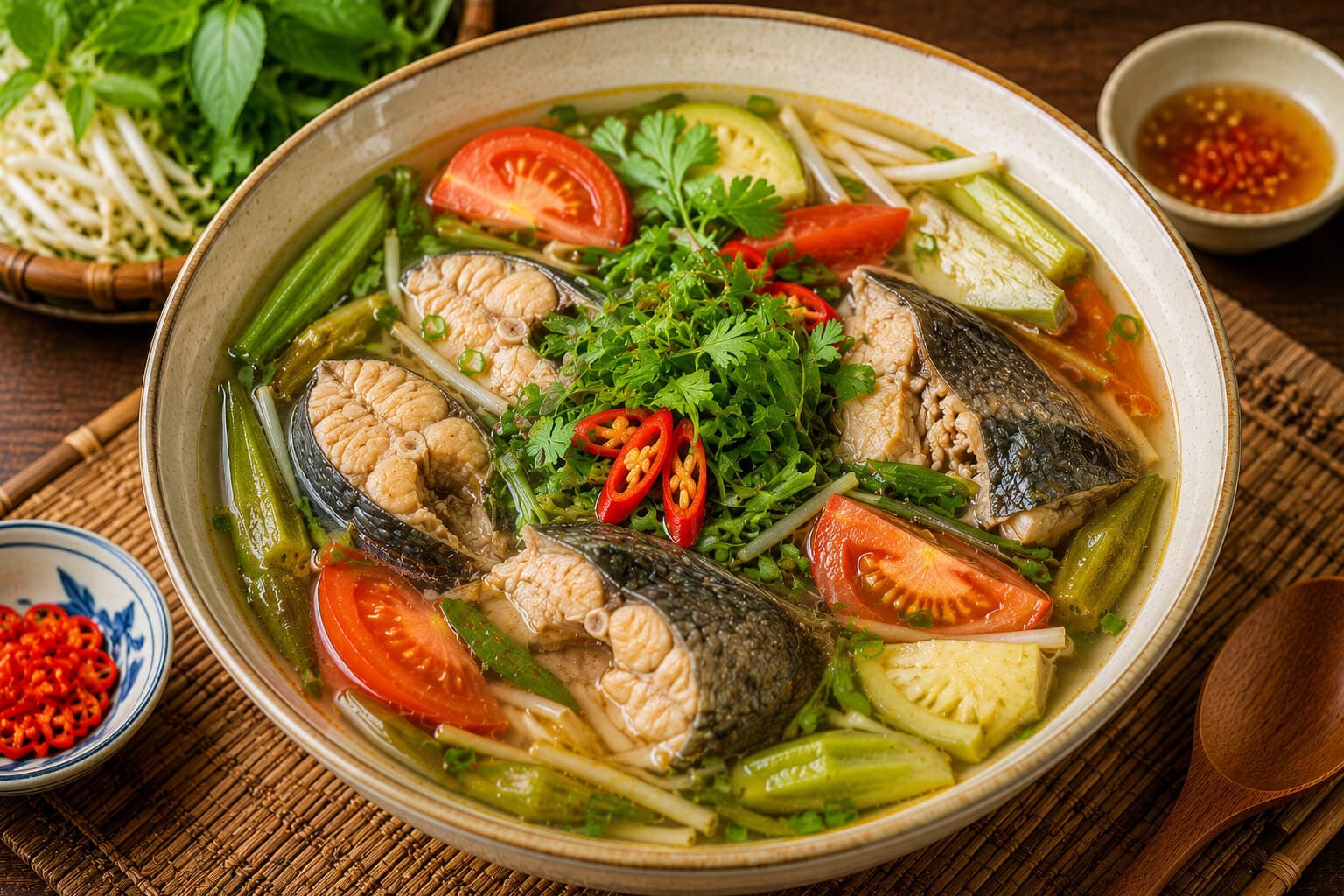
Kandu Kukulhu
The standard version — tuna slow-cooked in a thick coconut curry with curry leaves, pandan, ginger, garlic and warming spices, until the fish is firm and the gravy rich.
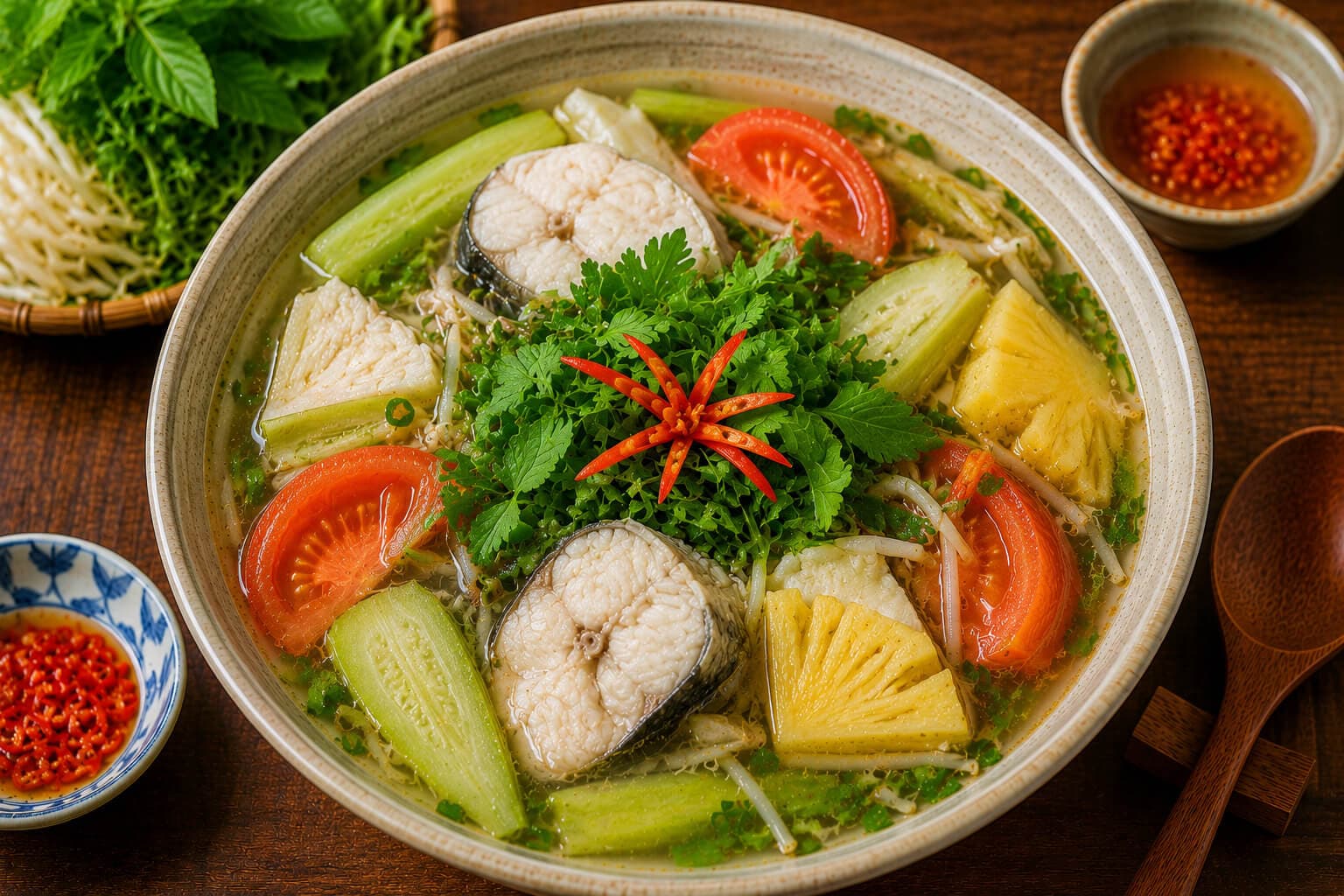
Everyday Kandu Kukulhu
A quicker, slightly lighter take cooked for shorter time, with a thinner sauce. Closer to mas riha in body but still using the slow-cooked method and spice blend.
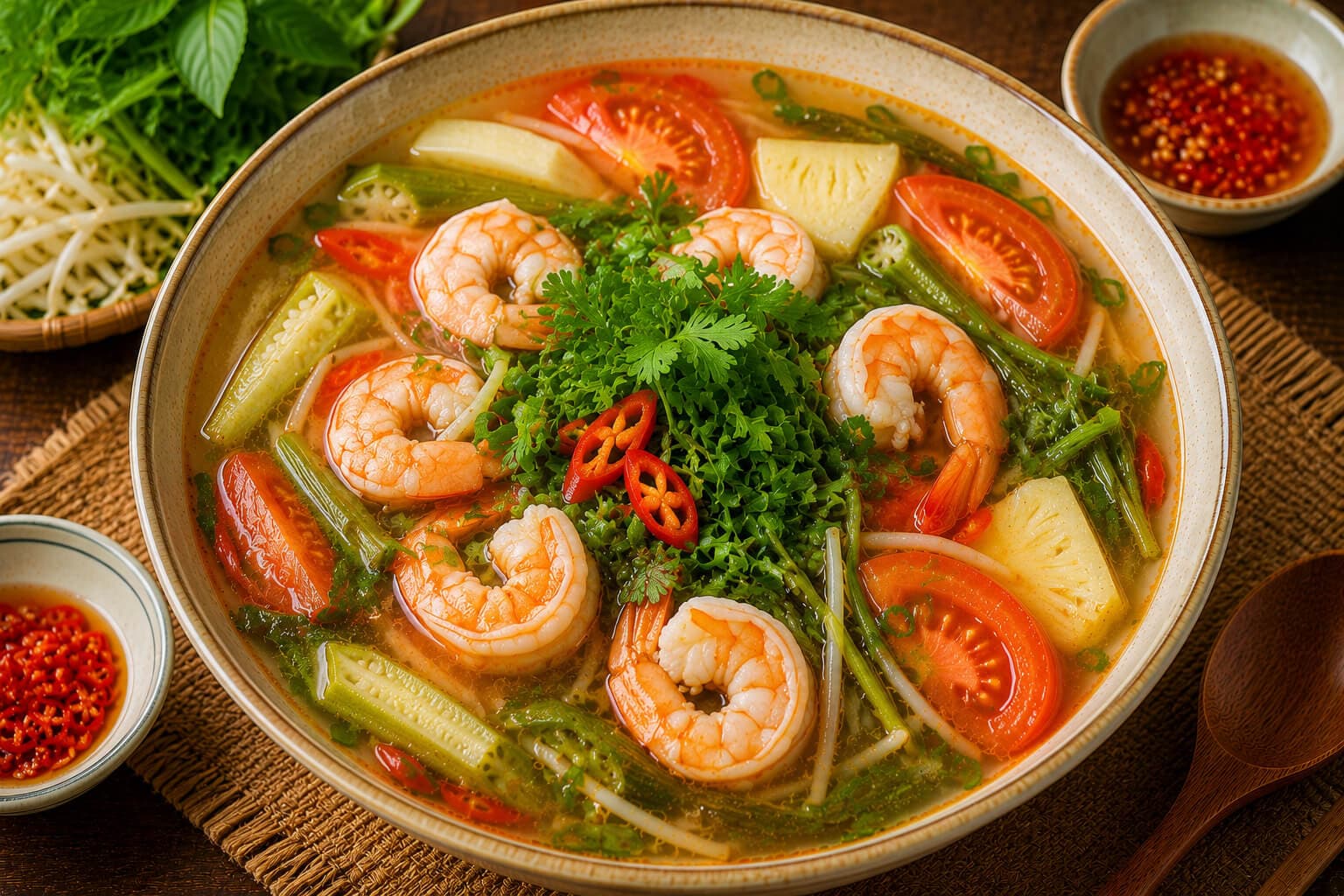
Special Occasion Kandu Kukulhu
A richer version for celebrations, with extra coconut, cardamom and cinnamon for fragrance, cooked down to a thick, glossy gravy. Served with rice and roshi.
Fresh tuna, cut into firm chunks for slow cooking
Thick coconut milk (kaashi kiru) for a rich gravy
Onion, ginger and garlic, fried as the base
Turmeric, cumin, coriander, chilli — sometimes cinnamon and cardamom
Fresh curry leaves for fragrance
Pandan / screwpine (rampe) leaf, knotted into the pot
Dried red or fresh green chilli for warmth
A squeeze of lime to finish
Salt to season
Symphony Restaurant
📍 Boduthakurufaanu Magu, Malé
A dependable Malé restaurant for home-style Maldivian curries, including a rich kandu kukulhu when available. Comfortable and visitor-friendly.
Local Hotaa (Teashops), Malé
📍 Around Majeedhee Magu, Malé
Malé teashops cook a daily fish curry at lunch; on some days that is the slow-cooked kandu kukulhu. The most authentic and affordable way to try it.
Seagull Cafe House
📍 Fareedhee Magu, Malé
A relaxed Malé cafe serving Maldivian curries and short eats. A good place to taste kandu kukulhu in a casual setting with an English menu.
Maafushi Guesthouse Kitchens
📍 Maafushi Island, Kaafu Atoll
Guesthouses on Maafushi cook home-style Maldivian dinners, with slow-cooked tuna curries like kandu kukulhu made from the day's fresh catch.
Resort Maldivian Night Buffets
📍 Resort islands, North & South Malé Atolls
Resorts present local fish curries at their weekly Maldivian buffet, where kandu kukulhu may appear alongside roshi, rice and sambols.
Fuvahmulah Island Cafes
📍 Fuvahmulah, Gnaviyani Atoll
On the remote southern island of Fuvahmulah, local cafes serve hearty Maldivian set meals where slow-cooked tuna curries are a daily staple.
| Venue Type | MVR | USD (approx.) | INR (approx.) |
|---|---|---|---|
| Teashop (hotaa) lunch | Local | $4 — $6 | ₹333 — ₹500 |
| Local restaurant | Local | $6 — $9 | ₹500 — ₹750 |
| Guesthouse dinner | Local | $7 — $10 | ₹580 — ₹830 |
| Resort restaurant | Resort | $14 — $22 | ₹1,165 — ₹1,830 |
Kandu kukulhu is defined by its slow-cooked tuna, so there is no traditional vegetarian version. The same coconut curry base can be used for vegetables on request.
Ask whether the kitchen can prepare a vegetable curry (tarukaaree riha) in the same slow-cooked coconut style without fish.Vegan note: A fish-free coconut vegetable curry can be vegan; standard kandu kukulhu is not.
Jain note: Not suitable for vegetarian, vegan or Jain diners in its authentic form, as it is built on tuna and contains onion and garlic.
Kandu Kukulhu means "sea chicken" — it is a Maldivian dish of tuna slow-cooked in a thick, spiced coconut curry until the fish becomes firm and meaty, eaten with rice or roshi.
Because the slow-cooked tuna takes on a firm, meaty quality reminiscent of chicken, and the dish is eaten much like a hearty chicken curry — even though it contains no chicken at all.
Both are coconut tuna curries, but kandu kukulhu is deliberately slow-cooked for a thicker, more concentrated gravy and firmer fish, while mas riha is the lighter, everyday version.
It is usually medium-spiced, with warming spices balanced by the coconut milk. You can ask for a milder version if you are sensitive to chilli.
Yes — like all traditional Maldivian food it is fully halal, made with fish and containing no pork or alcohol.
It is served with steamed rice or warm roshi flatbread, which is used to mop up the rich coconut gravy.
Not in its authentic form, as it is a tuna curry. The same slow-cooked coconut base can be made with vegetables on request.
The curry itself is naturally gluten-free. The roshi commonly served alongside is made from wheat flour and contains gluten.
At local teashops and restaurants on inhabited islands, in guesthouse kitchens on islands like Maafushi and Fuvahmulah, and on resort "Maldivian night" buffets.
It is close to a rich South Indian coconut fish curry, sharing the coconut-milk and spice base, but distinguished by its very fresh tuna, slow cooking and the use of pandan.
Our specialists plan food-focused itineraries around what you want to eat.
Plan My Food Trip