The everyday flatbread at the centre of every Maldivian meal.
Explore the Dish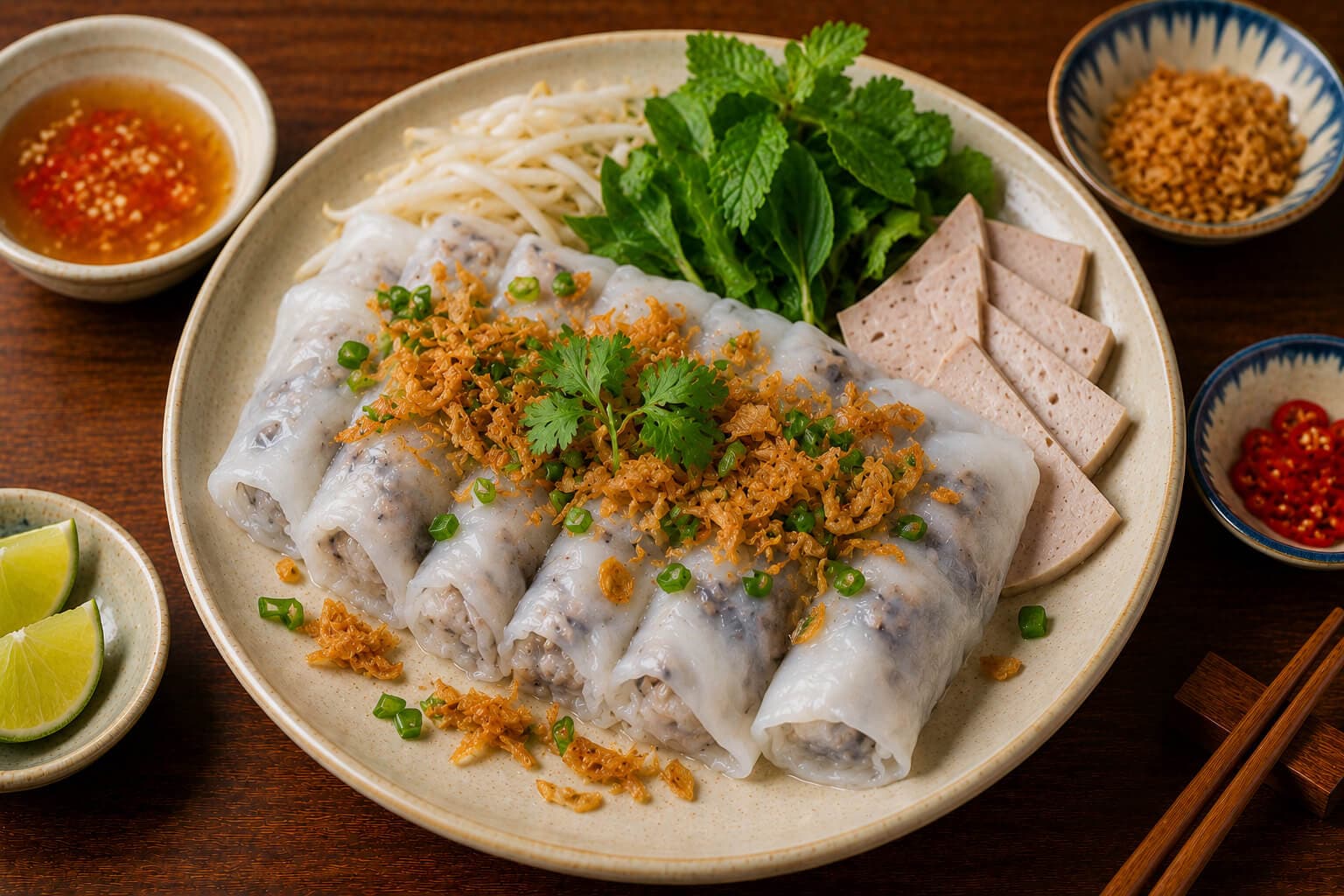
Roshi is the Maldives' everyday flatbread — a thin, unleavened griddle bread made from just wheat flour, water and a little salt, rolled out by hand and cooked dry on a hot tawa. It is the staple that accompanies almost every Maldivian meal, from breakfast mas huni to garudhiya broth and fish curries.
Making roshi is simple but skilled: flour and water are kneaded into a soft dough, divided into balls, and rolled out thin before being cooked on a flat griddle until it puffs slightly and develops golden-brown spots. The result is soft, pliable and faintly chewy — a close cousin of the Indian chapati or roti, which reflects the deep culinary ties between the Maldives and the Indian subcontinent. Some cooks add a little oil or grated coconut for richness, but the everyday version is plain.
For Indian travellers, roshi needs little introduction — it is essentially a Maldivian chapati, and is eaten in much the same way. At breakfast it is torn and mixed with mas huni (shredded smoked tuna, coconut, onion and chilli); at lunch and dinner it is used to scoop up garudhiya broth or mas riha curry. It is found in every teashop (hotaa) and home, and appears on resort buffets as a local bread. Roshi is naturally vegetarian and fully halal, with no pork or alcohol — a safe, familiar and comforting staple for visitors.
Roshi arrived with the Maldives' centuries of trade and cultural exchange across the Indian Ocean, particularly with the Indian subcontinent and Sri Lanka, where unleavened griddle breads are a staple. It became the everyday bread of island life alongside rice.
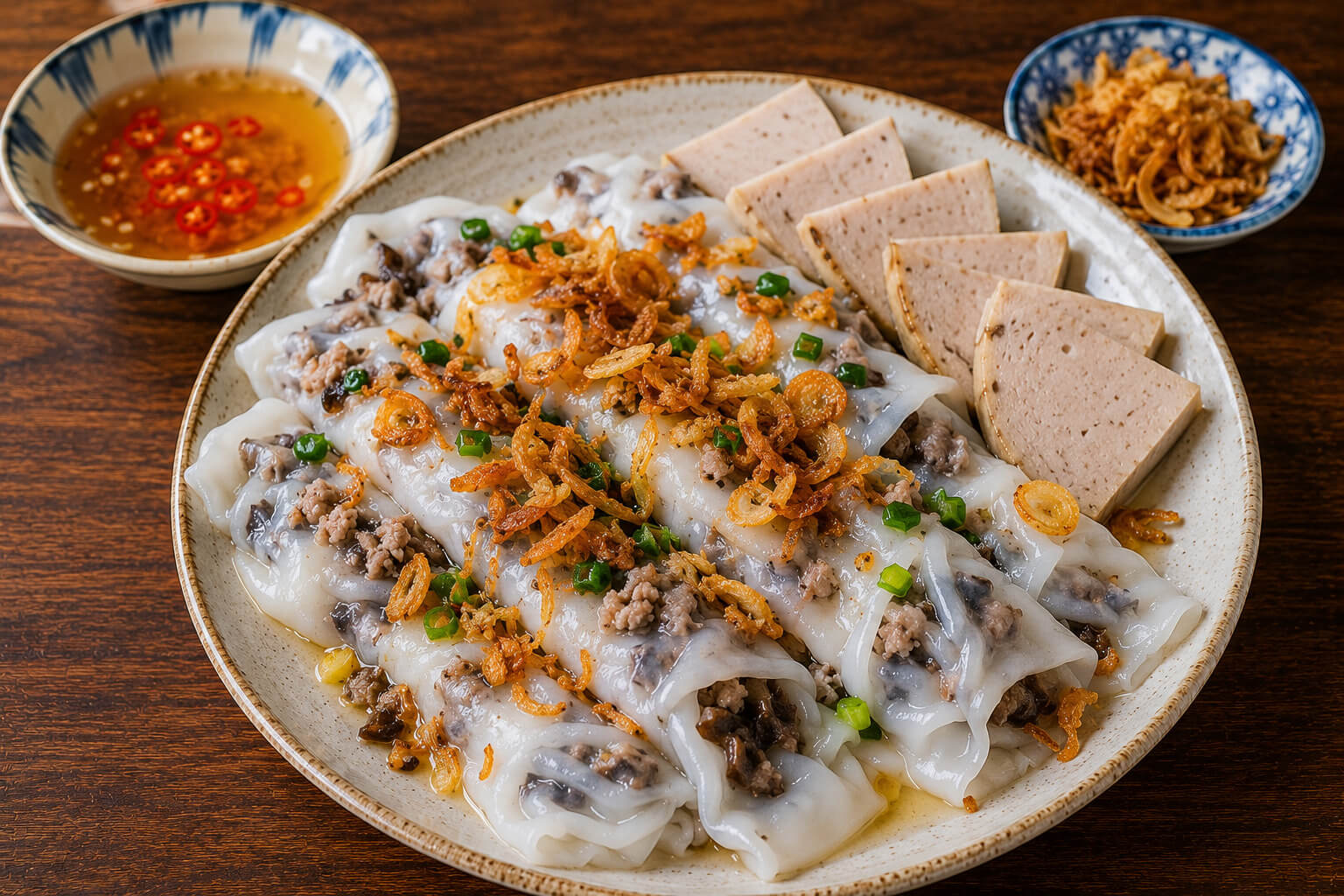
Roshi
The everyday plain flatbread — flour, water and salt, rolled thin and cooked dry on a griddle. Soft and pliable, eaten with mas huni, garudhiya and curries.
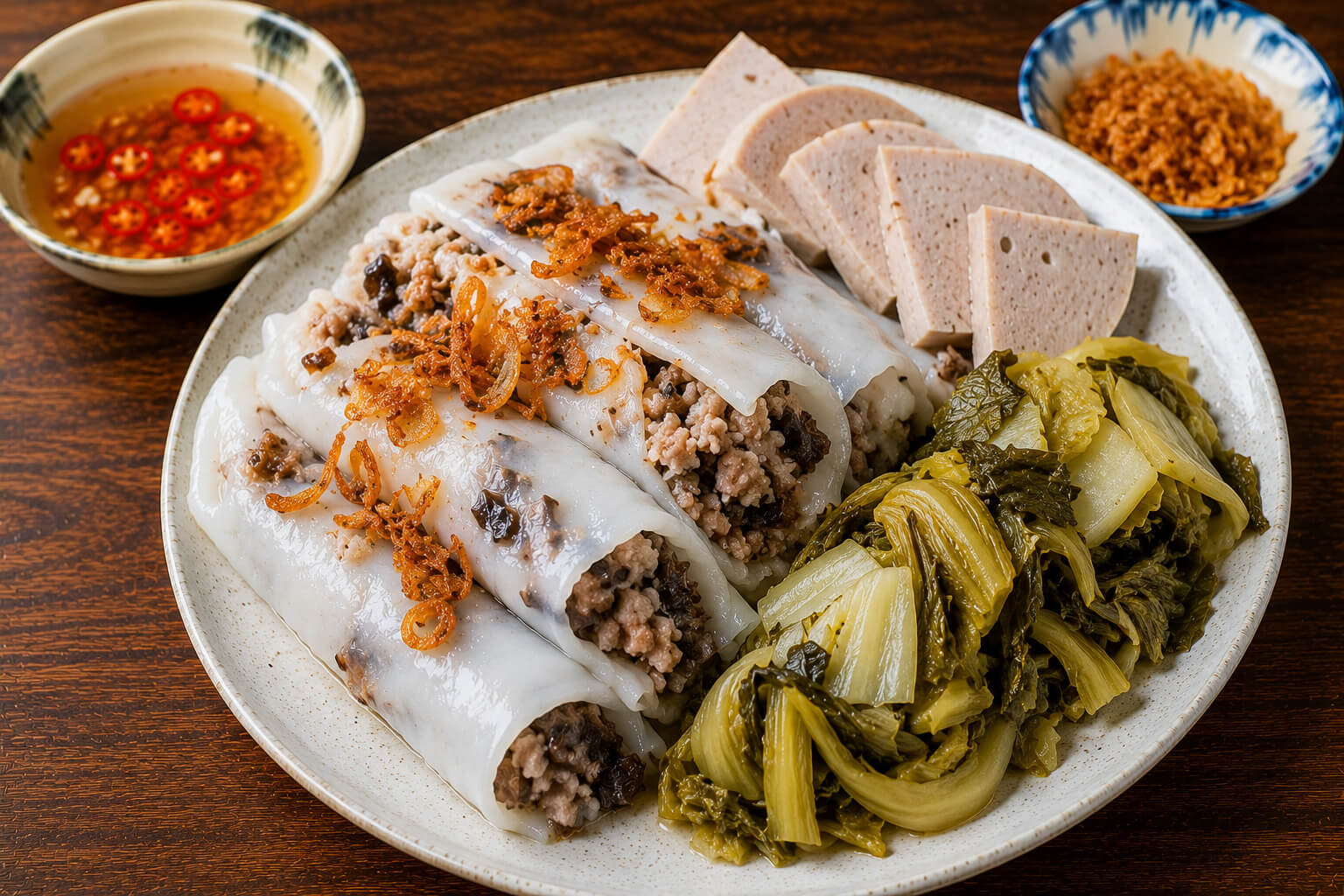
Kaashi Roshi
Roshi enriched with grated coconut worked into the dough, giving a softer, slightly richer bread. Popular as a more substantial accompaniment.
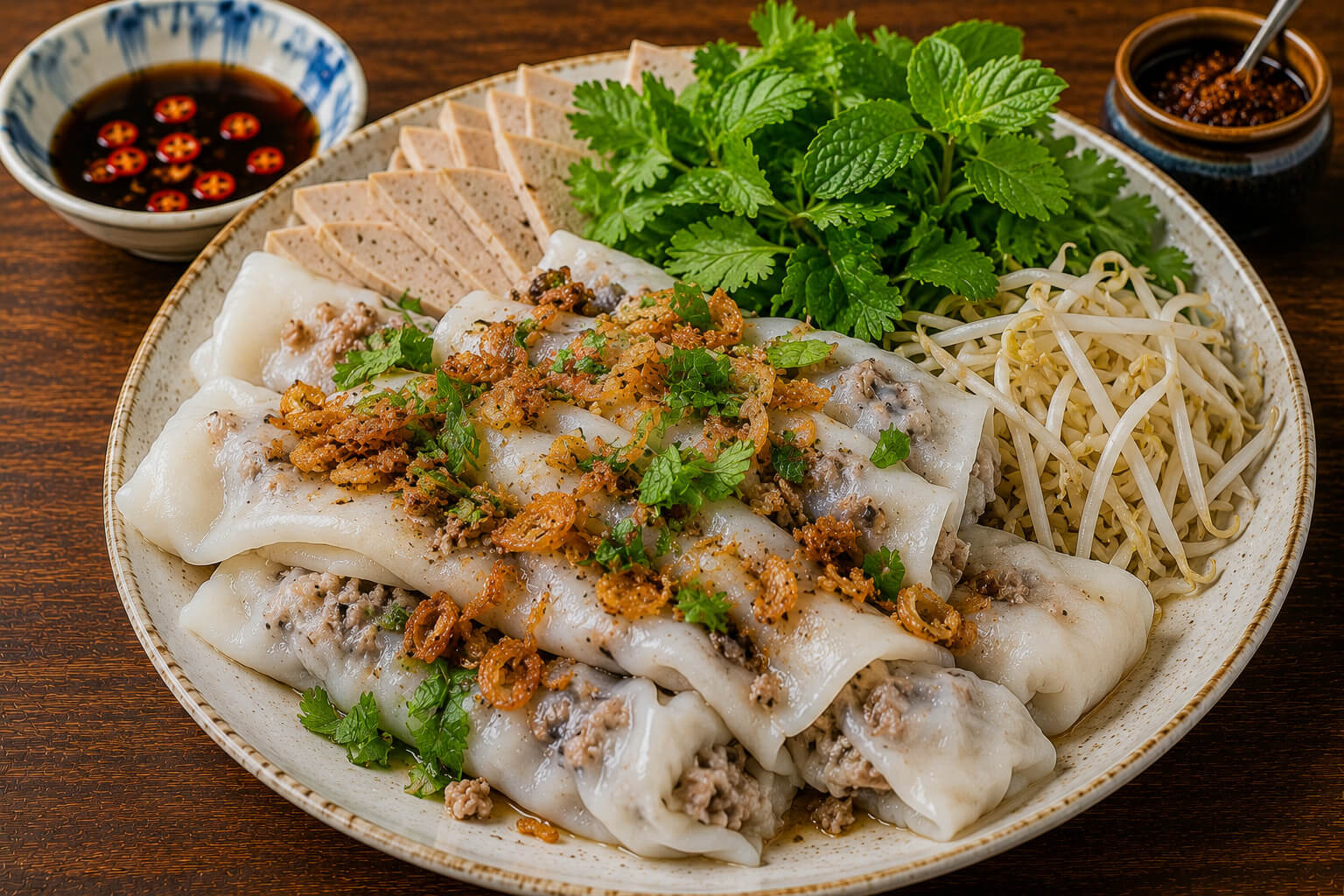
Masroshi
The same roshi dough stuffed with spiced smoked tuna and coconut, sealed and grilled — a popular short eat in its own right. Related to roshi but a filled snack.
Wheat flour — the base of the dough
Water, to bring the dough together
A little salt for seasoning
A touch of oil in some versions for softness (optional)
Grated coconut in the kaashi roshi variation (optional)
Local Hotaa (Teashops), Malé
📍 Around Majeedhee Magu, Malé
Every Malé teashop griddles fresh roshi through the day, served with mas huni at breakfast and curries at lunch. The most authentic place to eat it.
Seagull Cafe House
📍 Fareedhee Magu, Malé
A comfortable Malé cafe serving Maldivian breakfasts of roshi and mas huni, plus curries. Visitor-friendly with an English menu.
Hulhumalé Teashops
📍 Central Hulhumalé
The teashops of Hulhumalé serve fresh roshi with the full range of Maldivian accompaniments. A handy stop near the airport island.
Maafushi Island Cafes
📍 Maafushi Island, Kaafu Atoll
Local cafes on Maafushi serve roshi with mas huni and curries as part of home-style Maldivian meals. Budget-friendly and authentic.
Resort Breakfast & Maldivian Nights
📍 Resort islands, North & South Malé Atolls
Resorts serve roshi at breakfast and on "Maldivian night" buffets, beside mas huni, curries and sambols. A polished introduction to the staple bread.
Thoddoo Island Cafes
📍 Thoddoo Island, Alif Alif Atoll
Cafes on Thoddoo serve hearty Maldivian set meals with fresh roshi alongside curries and rice. Generous and inexpensive.
| Venue Type | MVR | USD (approx.) | INR (approx.) |
|---|---|---|---|
| Teashop (hotaa), per piece | Local | $0.20 — $0.50 | ₹17 — ₹42 |
| Cafe, per piece | Local | $0.30 — $0.60 | ₹25 — ₹50 |
| Roshi with mas huni set | Local | $1.50 — $3 | ₹125 — ₹250 |
| Resort breakfast | Resort | Included | Included |
Roshi is naturally vegetarian — just wheat flour, water and salt, with no fish or animal products in the bread itself. It is the curries and accompaniments that may contain fish.
Ask for plain roshi with a vegetable curry (tarukaaree riha) or simply with tea if you want a wholly vegetarian meal.Vegan note: Plain roshi is vegan, as it contains no dairy or egg. The optional oil and coconut versions are also vegan.
Jain note: Plain roshi is suitable for Jain diners, being just flour, water and salt with no onion, garlic or root vegetables in the bread itself.
Roshi is the everyday Maldivian flatbread — a thin, unleavened griddle bread made from wheat flour, water and salt, eaten with mas huni, garudhiya and curries.
It is very similar — roshi is essentially a Maldivian chapati or roti, reflecting the close culinary ties between the Maldives and the Indian subcontinent.
Yes — the bread itself is just flour, water and salt, with no fish or animal products. Only the accompaniments may contain fish.
Yes — it contains no pork, alcohol or any non-halal ingredient. Like all traditional Maldivian food it is fully halal.
Most famously with mas huni at breakfast, and with garudhiya broth or fish curries such as mas riha at lunch and dinner.
No — roshi is made from wheat flour and therefore contains gluten. Those avoiding gluten should opt for rice instead.
Roshi is the plain flatbread; masroshi is the same dough stuffed with spiced smoked tuna and coconut, then grilled — a filled short eat rather than a plain bread.
At any time of day — at breakfast with mas huni, at lunch and dinner with curries, and as a teashop staple eaten with tea.
In any teashop (hotaa) or cafe on an inhabited island, and at resort breakfasts and "Maldivian night" buffets.
Yes — plain roshi contains no dairy or egg, so it is vegan. Just check whether anything it is served with contains fish.
Our specialists plan food-focused itineraries around what you want to eat.
Plan My Food Trip