A dense, spiced fish cake baked golden — the savoury jewel of the teashop
Explore the Dish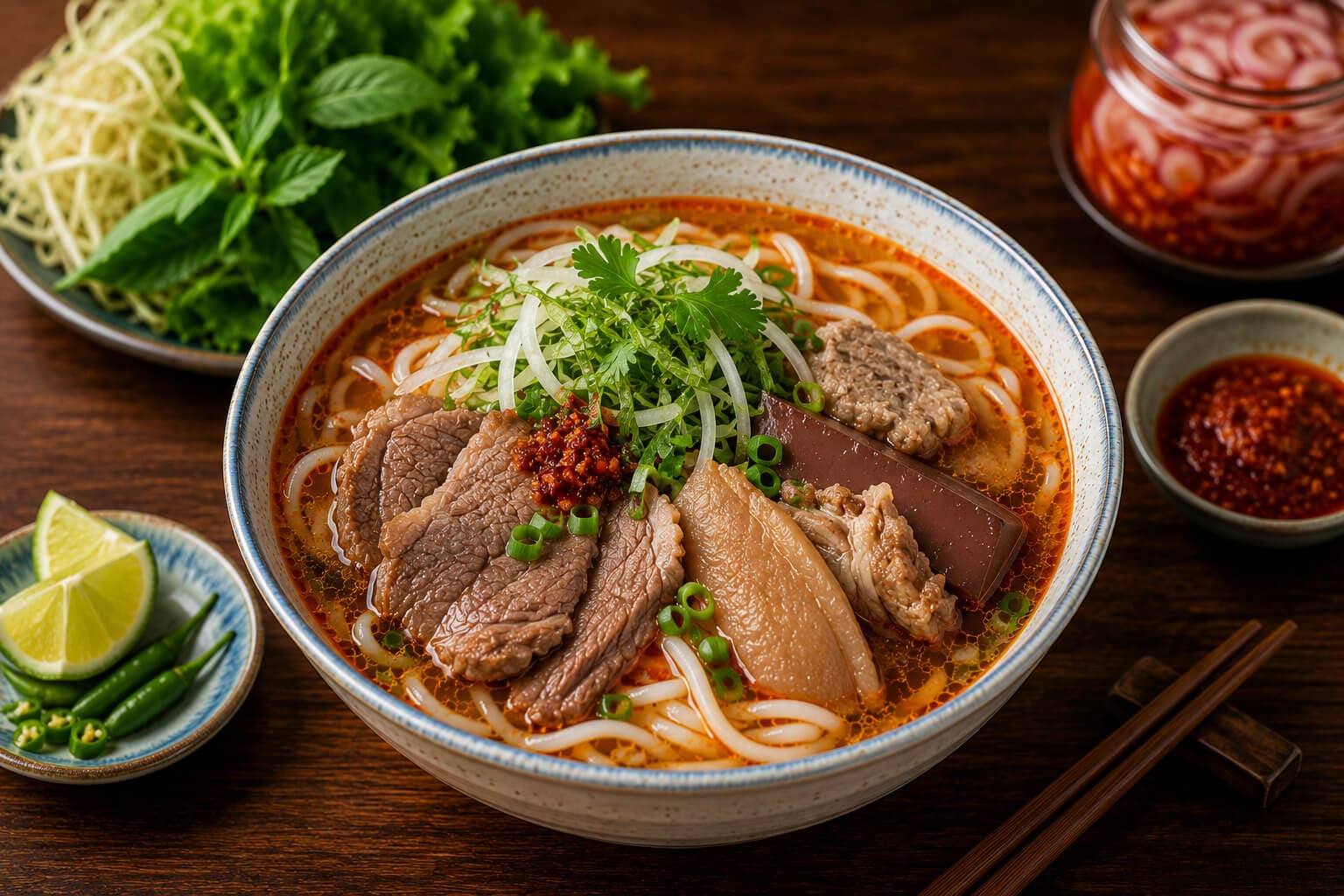
Kulhi Boakibaa is a savoury Maldivian baked cake — a dense, spiced fish cake made from rice flour, shredded smoked tuna, freshly grated coconut, chilli and curry leaves, baked until firm and golden. Cut into squares or wedges, it is one of the most distinctive savoury items in the Maldivian “hedhikaa” (short eats) repertoire.
Unlike the fried short eats, Kulhi Boakibaa is baked, which gives it a firm, sliceable, almost pudding-like texture. The rice flour binds the mixture into a solid cake, while the smoked tuna and coconut carry the flavour and the chilli and curry leaves give it a warm, fragrant kick. (“Kulhi” means savoury or salty; “boakibaa” is a baked cake — the sweet versions of boakibaa are a separate treat.)
It is eaten in slices at tea time with sweet black tea, as part of the spread of short eats laid out at island teashops (hotaa) and local cafés. Because it is baked and holds together well, it travels and keeps better than the fried hedhikaa, and is a popular choice for gatherings and special occasions.
Kulhi Boakibaa belongs to the Maldivian family of baked cakes (boakibaa) and short eats (hedhikaa) that grew up around the islands’ teashop culture. It takes the savoury heart of Maldivian cooking — smoked tuna and coconut — and binds it with rice flour into a baked cake, giving a firmer, longer-keeping alternative to the fried short eats. It has long been a teashop and special-occasion favourite across the atolls.
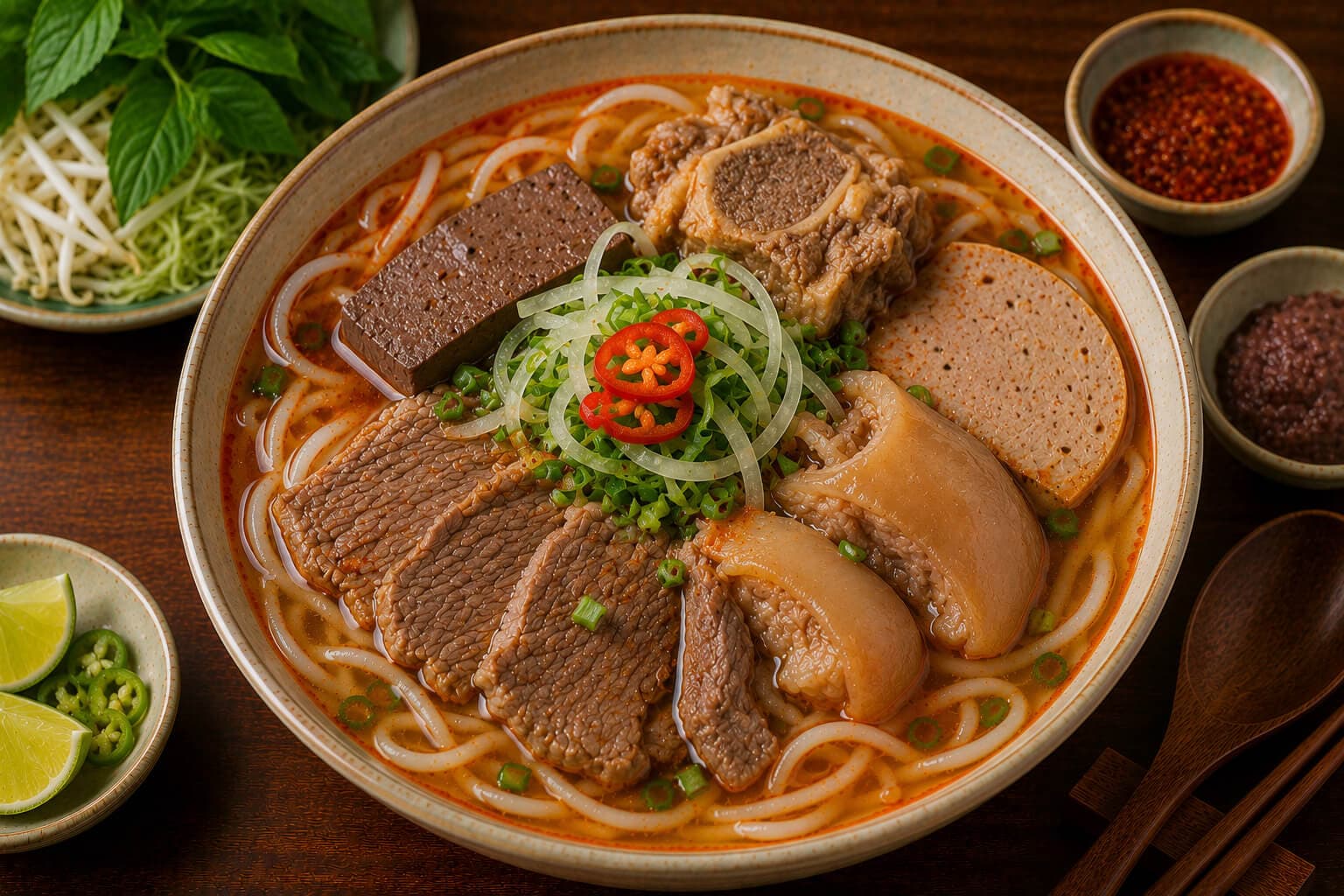
Kulhi Boakibaa (savoury)
The standard savoury baked cake: rice flour, shredded smoked tuna, grated coconut, chilli and curry leaves baked until firm and golden, then sliced. Served with sweet black tea at teashops across the country.
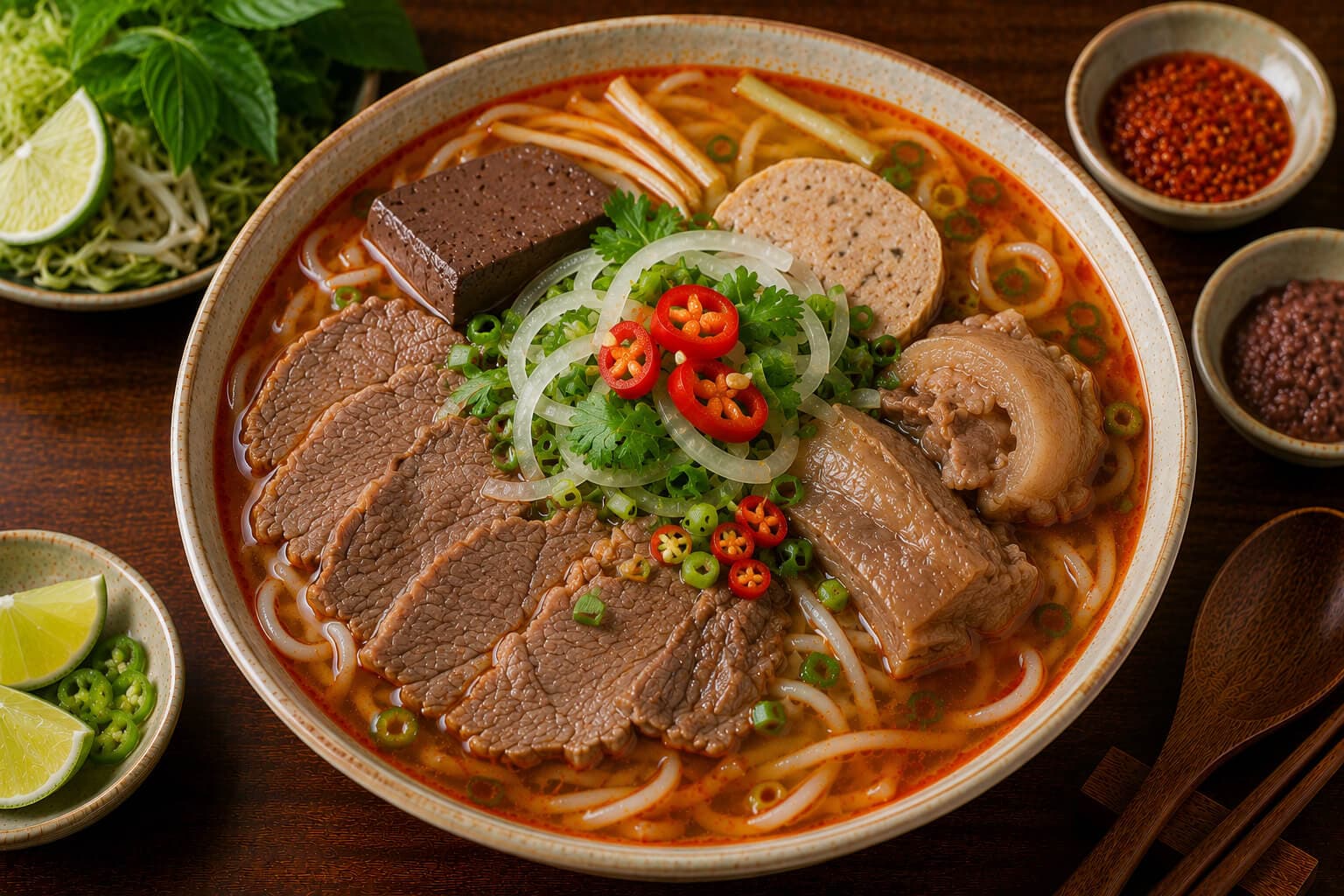
Festive Kulhi Boakibaa
A richer home version often made for gatherings, Eid and special occasions, sometimes with extra coconut milk for a softer, moister crumb and a more generous amount of fish. Cut into neat squares and offered to guests with tea.
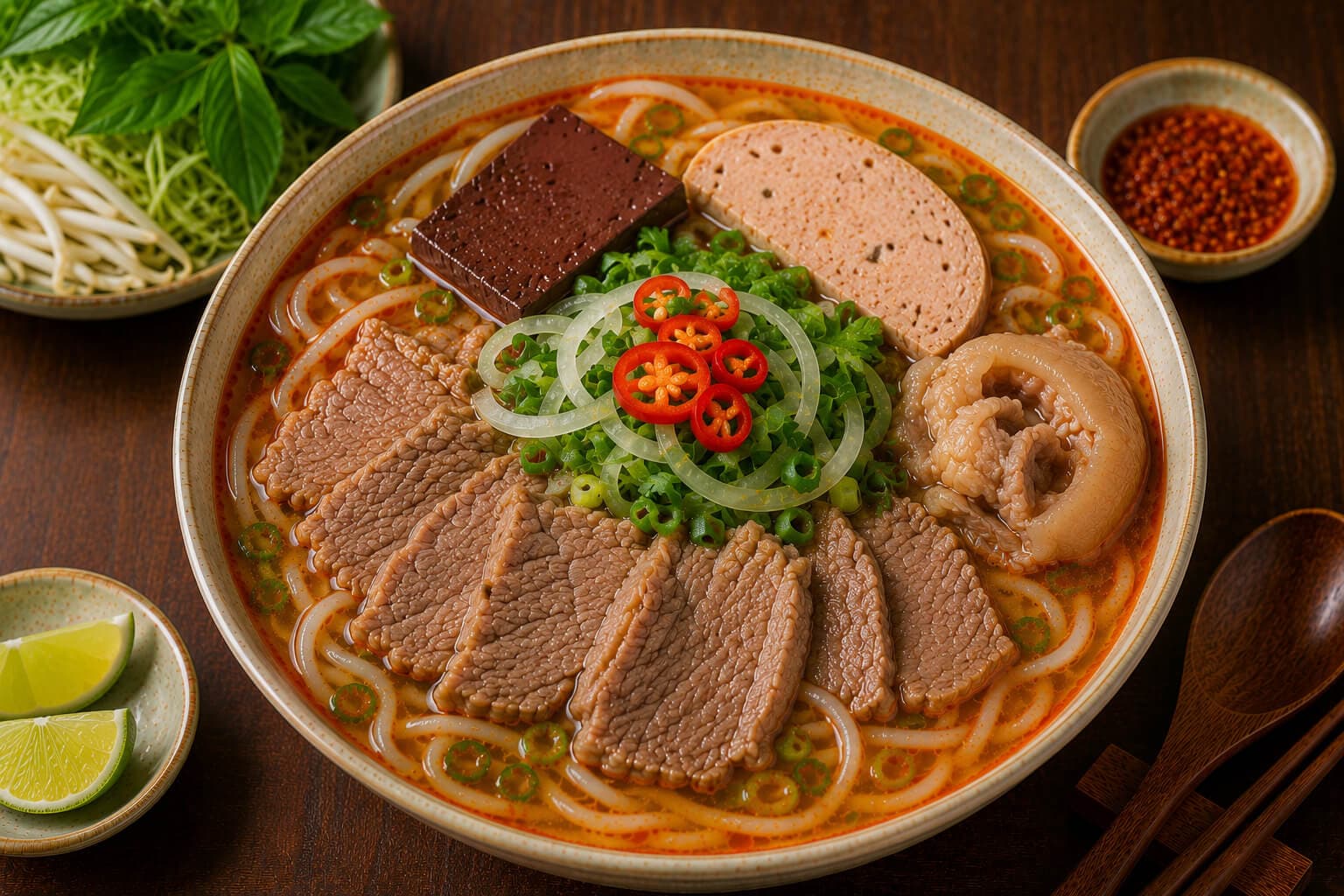
Extra-chilli Kulhi Boakibaa
On islands and in households that like more heat, the cake is made with extra chilli and curry leaf for a bolder, warmer flavour, while keeping the same firm, sliceable baked texture.
Rice flour binds the mixture; a little coconut milk or water keeps it moist before baking
Local teashops (hotaa), Malé
📍 Malé — capital island
The classic place to eat Kulhi Boakibaa: a busy teashop counter of short eats, with a slice of the savoury baked cake and a cup of sweet black tea in the afternoon.
Local-island cafés, Maafushi
📍 Maafushi — budget guesthouse island
Guesthouse and local cafes on Maafushi serve Kulhi Boakibaa among their hedhikaa — an easy place for visitors to try a savoury Maldivian baked cake.
Cafés in Hulhumalé
📍 Hulhumalé — reclaimed island near the airport
Cafes near the airport stock Kulhi Boakibaa and other short eats through the day — handy for a quick snack before or after a flight.
Resort ‘Maldivian night’ buffets
📍 Resort islands across the atolls
On themed Maldivian buffet nights, resorts lay out a selection of hedhikaa including Kulhi Boakibaa — a relaxed way to sample short eats.
Local-island cafés, Dhigurah
📍 Dhigurah — South Ari Atoll
Cafes on whale-shark islands such as Dhigurah serve Kulhi Boakibaa as an afternoon snack between excursions.
Teashops in Addu City
📍 Addu Atoll — the southern urban area
The southern atolls have a strong teashop tradition; Kulhi Boakibaa here is just as much an afternoon staple as in the capital.
| Venue Type | MVR | USD (approx.) | INR (approx.) |
|---|---|---|---|
| Local teashop (hotaa), per slice | $0.30–$0.80 | $0.30–$0.80 | ₹25–65 |
| Local-island café, per slice | $0.50–$1.00 | $0.50–$1.00 | ₹40–85 |
| Café in Malé / Hulhumalé | $0.60–$1.20 | $0.60–$1.20 | ₹50–100 |
| Resort buffet (Maldivian night) | Included | Included | Included |
Kulhi Boakibaa is defined by its smoked tuna, so there is no traditional vegetarian version. Vegetarian travellers who want a baked treat may prefer the sweet versions of boakibaa, which are made without fish.
Ask whether the café has a sweet boakibaa or other meat-free baked treat if you do not eat fish.Vegan note: The savoury Kulhi Boakibaa is not vegetarian or vegan as it contains fish. Some sweet boakibaa may suit vegetarians; confirm the ingredients.
Jain note: Kulhi Boakibaa contains fish and onion and is not suitable for vegetarians or Jain travellers. A sweet boakibaa or fruit may be a better choice.
Kulhi Boakibaa is a savoury Maldivian baked cake made from rice flour, shredded smoked tuna, freshly grated coconut, chilli and curry leaves, baked until firm and golden, then sliced. It is a classic savoury short eat (hedhikaa) eaten at tea time.
“Kulhi” means savoury or salty, and “boakibaa” is a baked cake. So Kulhi Boakibaa is the savoury baked cake, distinct from the sweet versions of boakibaa.
Rice flour, shredded smoked tuna (valhomas), freshly grated coconut, fresh chilli, curry leaves and onion, bound into a thick batter and baked. A little coconut milk or water keeps it moist.
It is usually medium — the chilli and curry leaves give it warmth and fragrance. Some atoll and home versions are spicier, so ask for a milder slice if you prefer.
Yes — it is made with rice flour rather than wheat, so it is naturally gluten-free, unlike the fried wheat-based short eats.
Yes. Like all traditional Maldivian food it is halal — it contains tuna, coconut, rice flour and spices, with no pork or alcohol.
Not the savoury one, as smoked tuna is a core ingredient. Vegetarian visitors who want a baked treat may prefer the sweet versions of boakibaa, which are made without fish.
Kulhi Boakibaa is baked, giving it a firm, sliceable, cake-like texture, while gulha and bajiya are deep-fried and crisp. They share the same tuna-and-coconut flavour family, but the baked cake keeps and travels better.
Most often at tea time as part of the hedhikaa spread, and it is also popular for gatherings, Eid and special occasions because it holds its shape and can be made ahead.
At local teashops (hotaa) in Malé, in guesthouse cafes on local islands such as Maafushi or Dhigurah, in cafés in Addu City, and on resort Maldivian buffet nights.
Our specialists plan food-focused itineraries around what you want to eat.
Plan My Food Trip