The dark, savoury soul of the Maldivian kitchen — umami in a jar
Explore the Dish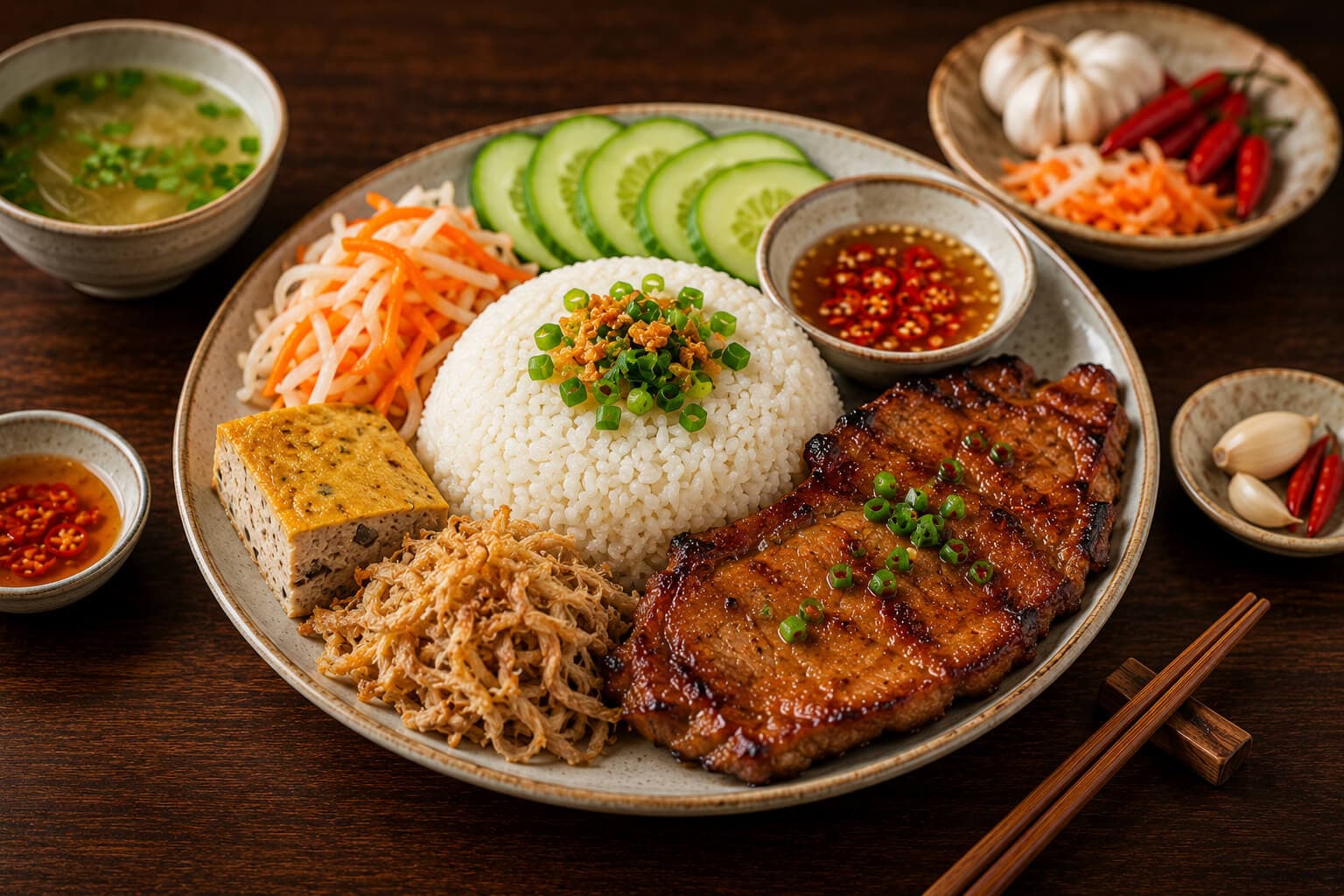
Rihaakuru is the Maldives’ signature fish paste — a thick, dark-brown, intensely savoury condiment made by slowly boiling down tuna stock over many hours until it reduces to a rich, sticky paste. It is the concentrated essence of the islands’ tuna, an umami bomb eaten in small amounts with rice, roshi, lime, chilli and onion.
Rihaakuru is a by-product turned treasure. When tuna is boiled to make valhomas (smoked, dried “Maldive fish”), the leftover stock is not thrown away — it is simmered, often over a day or more, until the water cooks off and the liquid thickens into a dense, glossy, dark-brown paste. What remains is the deeply concentrated flavour of the fish.
The taste is powerful: salty, savoury and profoundly umami, somewhere between a fish sauce, an anchovy paste and a miso in intensity. It is never eaten in large quantities on its own — a small smear is enough to flavour a whole plate of rice. Many islanders consider it the truest, most essential taste of home.
The classic way to eat Rihaakuru is as the heart of a simple plate: a dab of the paste mixed into hot rice, with lime squeezed over, plus fresh chilli, raw onion and sometimes grated coconut on the side. It is also eaten with roshi flatbread, where pieces of bread are dipped into the paste.
For visitors, Rihaakuru is one of the most distinctively Maldivian flavours you can try — intense, ancient and central to the home kitchen. A little goes a long way, so start with a small amount.
Rihaakuru is a condiment, not a dish in itself — a tiny amount flavours an entire plate. Its dark colour and powerful, salty-umami punch set it apart; it is closer to a concentrated fish paste than to a sauce, and is always eaten with rice or roshi rather than on its own.
Rihaakuru is one of the oldest and most fundamental products of the Maldivian kitchen, born of the islands’ need to use every part of the tuna catch. As islanders boiled tuna to preserve it as valhomas, the leftover stock was reduced into a paste that kept well and carried enormous flavour. For generations it has been a staple store-cupboard condiment, made at home and traded between islands.
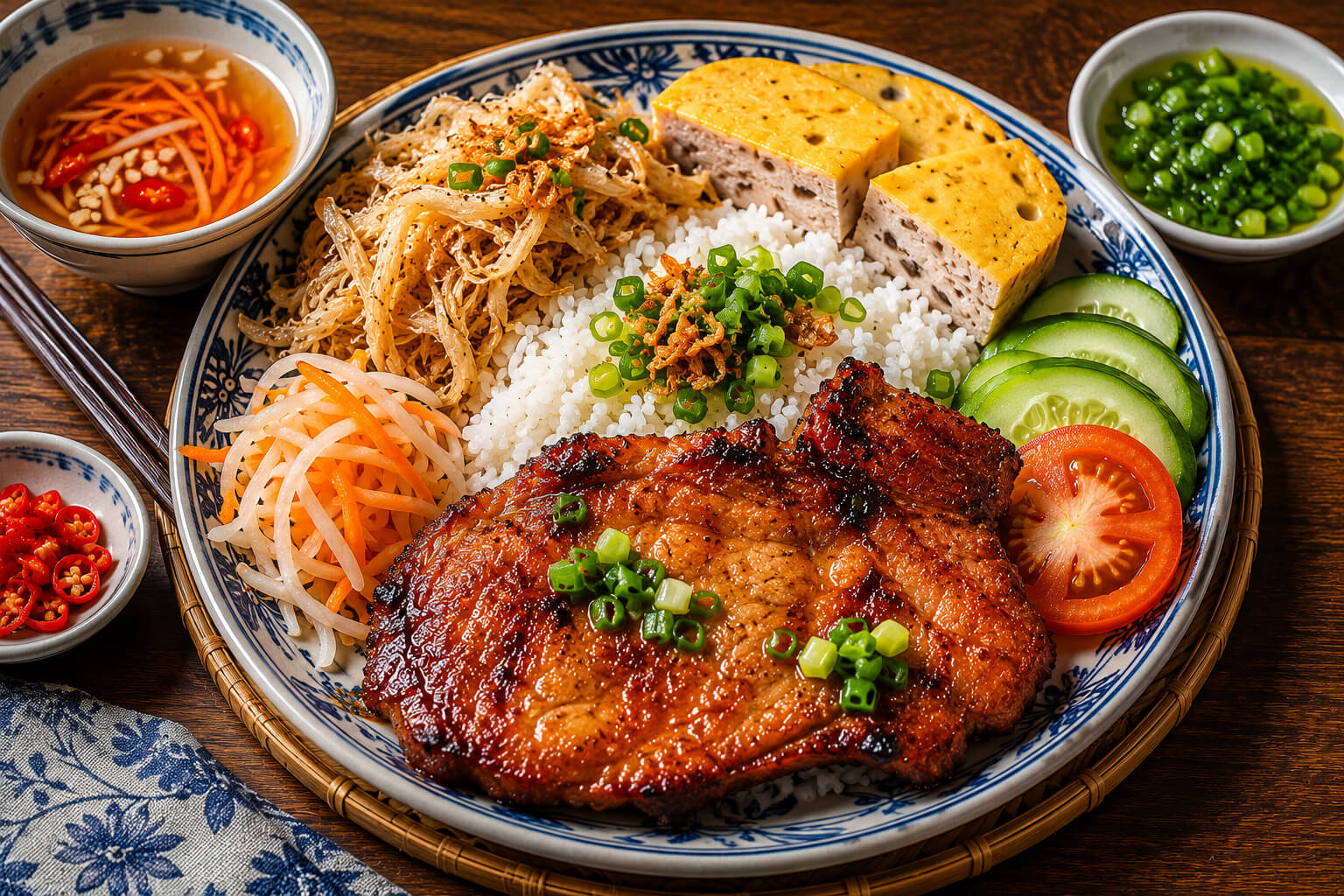
Plain Rihaakuru
The pure paste: dark-brown, thick and intensely savoury, eaten as a condiment with rice or roshi and lifted with lime, chilli and onion. The everyday store-cupboard version found in every Maldivian kitchen.
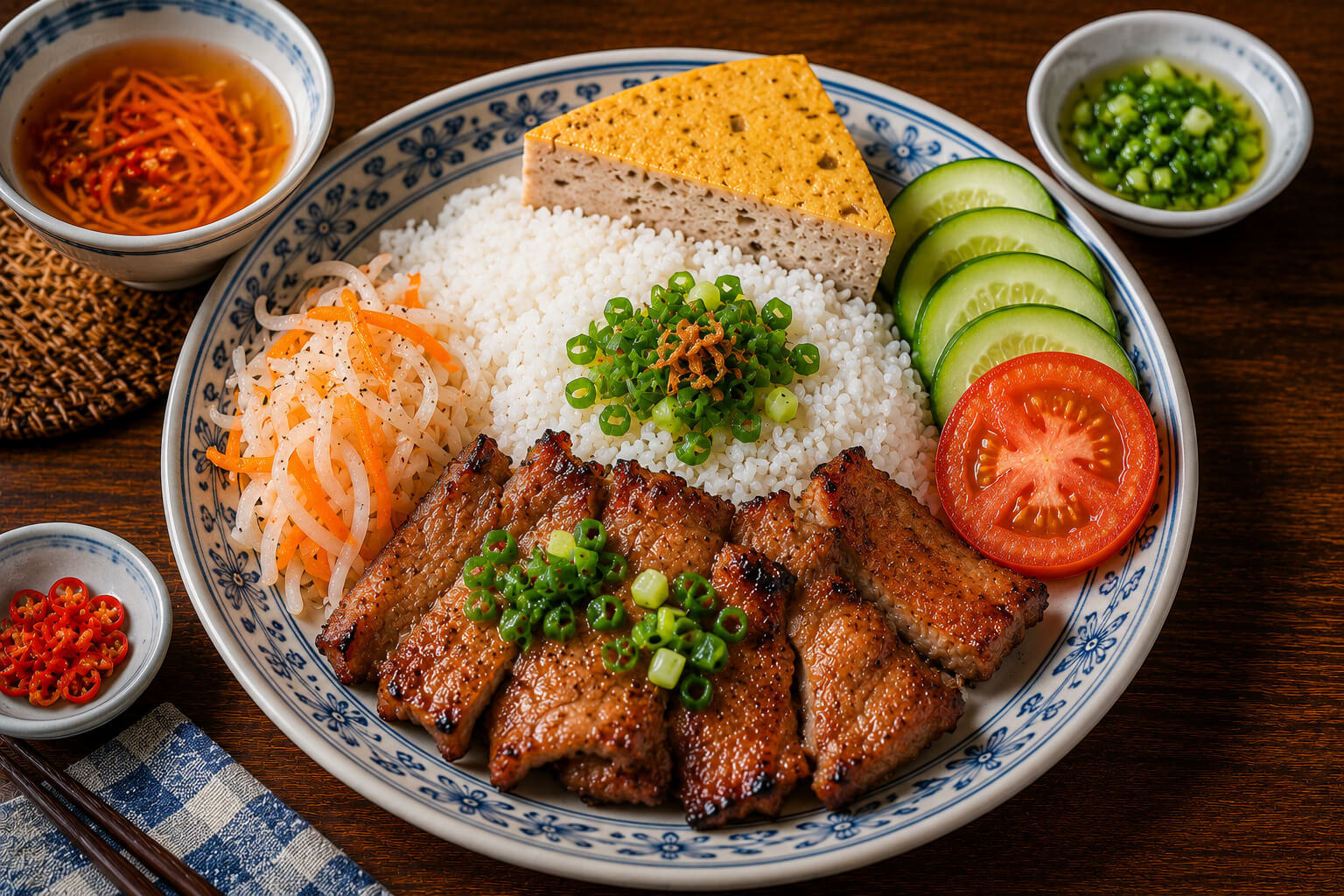
Rihaakuru with coconut & aromatics
A dressed-up version where the paste is mixed with grated coconut, onion, chilli, curry leaves and lime to make a thicker relish (sometimes likened to a Maldivian-style fish dip). Eaten with rice or roshi as a more substantial accompaniment.
The leftover stock from boiling skipjack tuna, slowly reduced over many hours into a thick paste. Gluten-free.
Added during the long reduction to season and help preserve the paste.
Rihaakuru is eaten with steamed rice or roshi flatbread — the paste flavours the staple.
Squeezed over to brighten and cut through the rich, salty paste.
Added to taste for heat alongside the paste.
Sliced and served on the side for sharpness and crunch.
Sometimes mixed into the paste or served alongside to round out the flavour.
Local-island cafés & homes, Maafushi
📍 Maafushi — budget guesthouse island
Rihaakuru is at its most authentic in home and local-island cooking. Guesthouse and local cafes on islands such as Maafushi serve it with rice as part of everyday meals.
Teashops & cafés, Malé
📍 Malé — capital island
Cafés and teashops in the capital serve Rihaakuru with rice or roshi as part of home-style meals. Jars of it are also sold in the city’s markets.
Resort ‘Maldivian night’ buffets
📍 Resort islands across the atolls
Resorts feature Rihaakuru on themed Maldivian buffet nights so guests can taste one of the islands’ most essential flavours alongside rice and roshi.
Cafés in Addu City
📍 Addu Atoll — the southern urban area
The southern atolls eat Rihaakuru daily; cafés in Addu serve it as a home-style condiment with rice, lime, chilli and onion.
| Venue Type | MVR | USD (approx.) | INR (approx.) |
|---|---|---|---|
| Jar of Rihaakuru (to buy in a market) | $2–$5 | $2–$5 | ₹165–₹415 |
| Local-island café meal (rice & rihaakuru) | $3–$6 | $3–$6 | ₹250–₹500 |
| Café in Malé / Hulhumalé | $4–$7 | $4–$7 | ₹330–₹580 |
| Resort buffet (Maldivian night) | Included | Included | Included |
Rihaakuru is a pure reduction of tuna stock, so there is no vegetarian version — fish is its entire substance. Vegetarian travellers should choose a vegetable curry or dhal with rice or roshi instead. Maldivian food is halal, and Rihaakuru contains no pork or alcohol.
Vegan note: Rihaakuru is not vegetarian or vegan as it is entirely fish-based. There is no plant-based equivalent in traditional Maldivian cooking.
Rihaakuru is a thick, dark-brown Maldivian fish paste made by slowly boiling down tuna stock over many hours until it reduces to a dense, intensely savoury paste. It is used as a condiment, eaten in small amounts with rice or roshi, lime, chilli and onion.
It is powerfully savoury and salty, with a deep umami character — somewhere between a fish sauce, an anchovy paste and a miso in intensity. It is the concentrated essence of tuna, which is why only a small amount is needed.
When tuna is boiled to make valhomas (Maldive fish), the leftover stock is simmered, often over a day or more, until almost all the water evaporates and the liquid thickens into a dark, glossy paste. Salt is added during the reduction.
Mix a small dab into hot rice, squeeze over lime, and add fresh chilli and raw onion to taste; or dip pieces of warm roshi into the paste. It is never eaten in large amounts on its own — a little flavours a whole plate.
On its own it is not spicy — it is salty and savoury. The heat comes from the fresh chilli served alongside, which you add to taste.
Yes — it is made only from tuna stock and salt, with no wheat. Served over rice, the meal is naturally gluten-free.
Yes. Like all traditional Maldivian food it is halal — it is simply reduced tuna stock and salt, with no pork or alcohol.
No — it is a pure reduction of tuna, so it is entirely fish-based and has no vegetarian version. Vegetarian visitors usually have a vegetable curry or dhal with rice or roshi instead.
Yes — it is sold in jars in Malé’s markets and is a genuine, distinctively Maldivian edible souvenir. Pack it carefully and check your airline’s rules on carrying food.
In home and local-island cooking — guesthouse and local cafes on islands such as Maafushi, home-style cafés in Malé and Addu City, and on resort Maldivian buffet nights.
Our specialists plan food-focused itineraries around what you want to eat.
Plan My Food Trip