Griddle flatbreads and coconut-filled buns from the Maldivian teashop.
Explore the Dish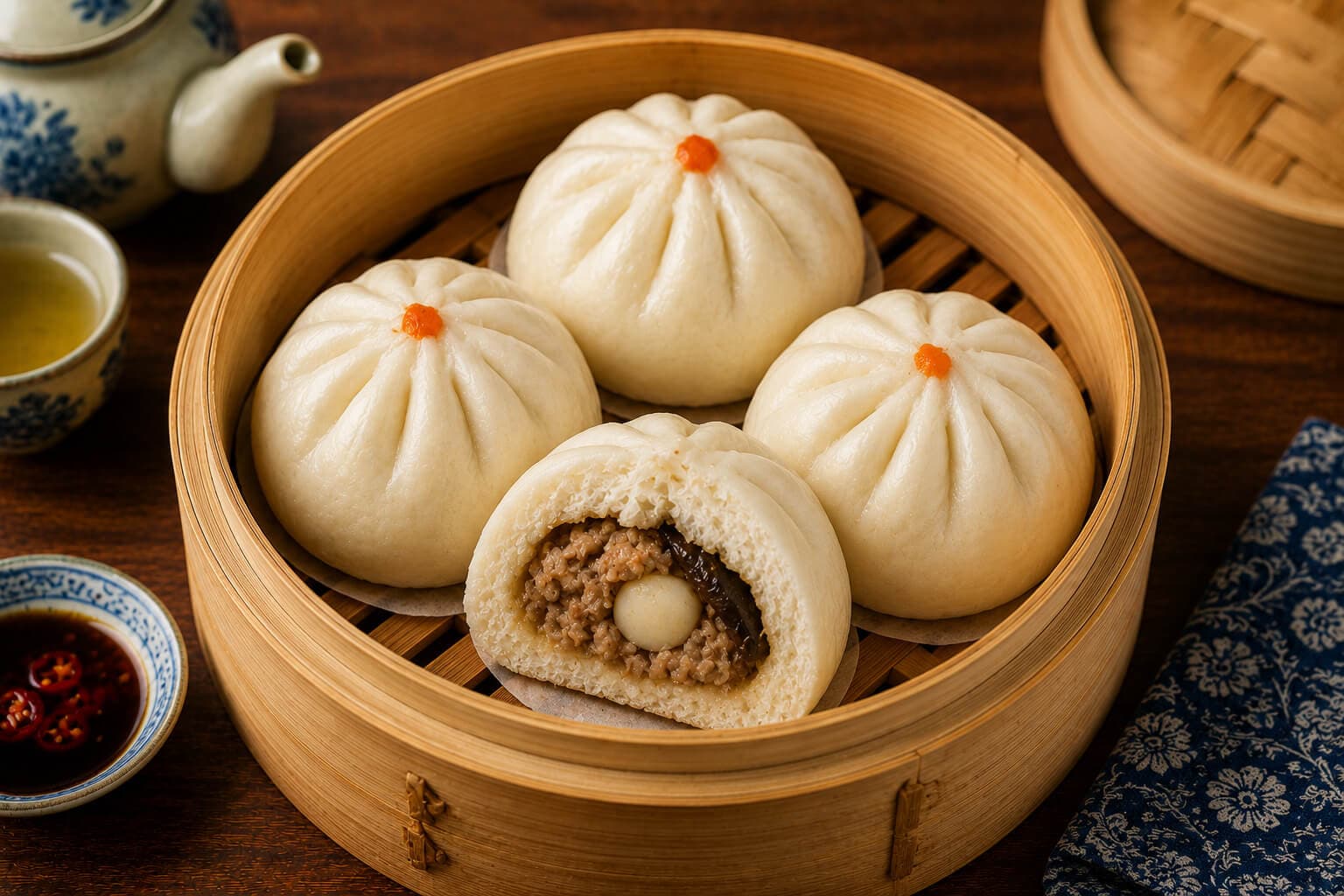
Folhi is the Maldivian family of griddle flatbreads and soft savoury-sweet buns — from simple pan-cooked breads to filled buns such as huni folhi, which is stuffed with a sweet mixture of grated coconut and sugar. They are teashop favourites, eaten as a snack with tea at "hedhikaa" time.
The word folhi covers a small range of flour-based breads and buns rather than a single dish. At its simplest, folhi is a soft griddle flatbread, a little thicker and richer than roshi. More often, the term refers to filled buns: huni folhi, the best-loved version, is a soft bread pocket stuffed with huni — sweetened grated coconut, sometimes scented with rosewater or cardamom. Savoury versions exist too, filled with spiced fish or vegetables. The dough is enriched and the buns are griddled or baked until golden and soft.
Folhi belongs to the wider world of Maldivian short eats (hedhikaa) that fill teashop cabinets across the islands, alongside gulha, bajiya and kavaabu. The sweet coconut huni folhi is especially popular with children and with anyone craving something gently sweet to go with milky tea. For Indian visitors, the sweet coconut filling will recall a coconut-stuffed bun or puran-style sweet bread, while the savoury versions sit close to a stuffed paratha. Sweet folhi are vegetarian, and all folhi are fully halal, made with no pork or alcohol.
Folhi grew from the Maldivian teashop tradition of turning flour, coconut and a little sugar into soft, satisfying snacks for tea time. The sweet coconut bun reflects the abundance of the coconut palm, the islands' most important crop.
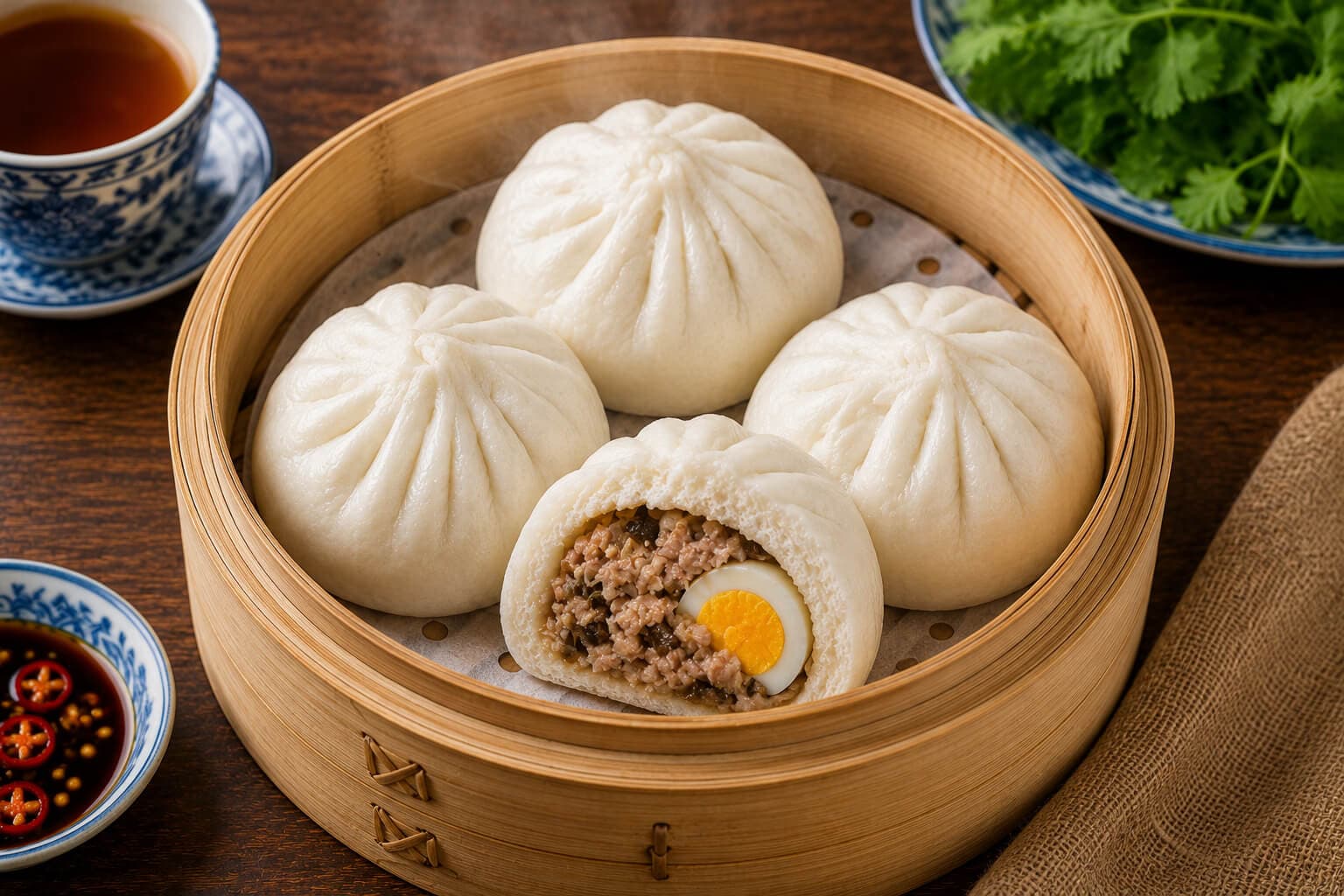
Huni Folhi
The best-loved version — a soft bun filled with sweetened grated coconut, sometimes scented with rosewater or cardamom. A gentle, sweet teashop treat.
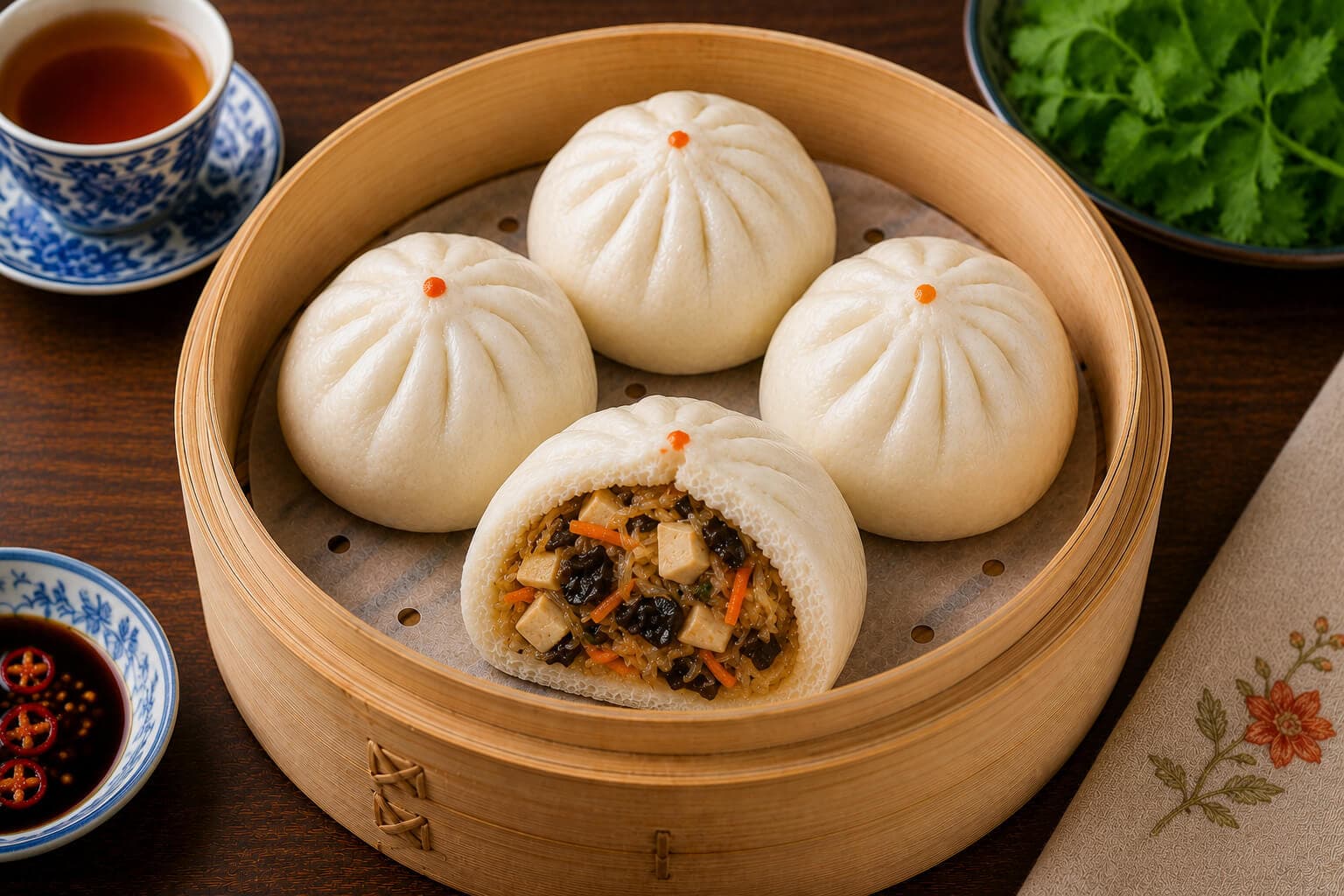
Folhi (Griddle Flatbread)
A soft, slightly enriched griddle flatbread, thicker than roshi, eaten plain or with curries. The simplest form of folhi.
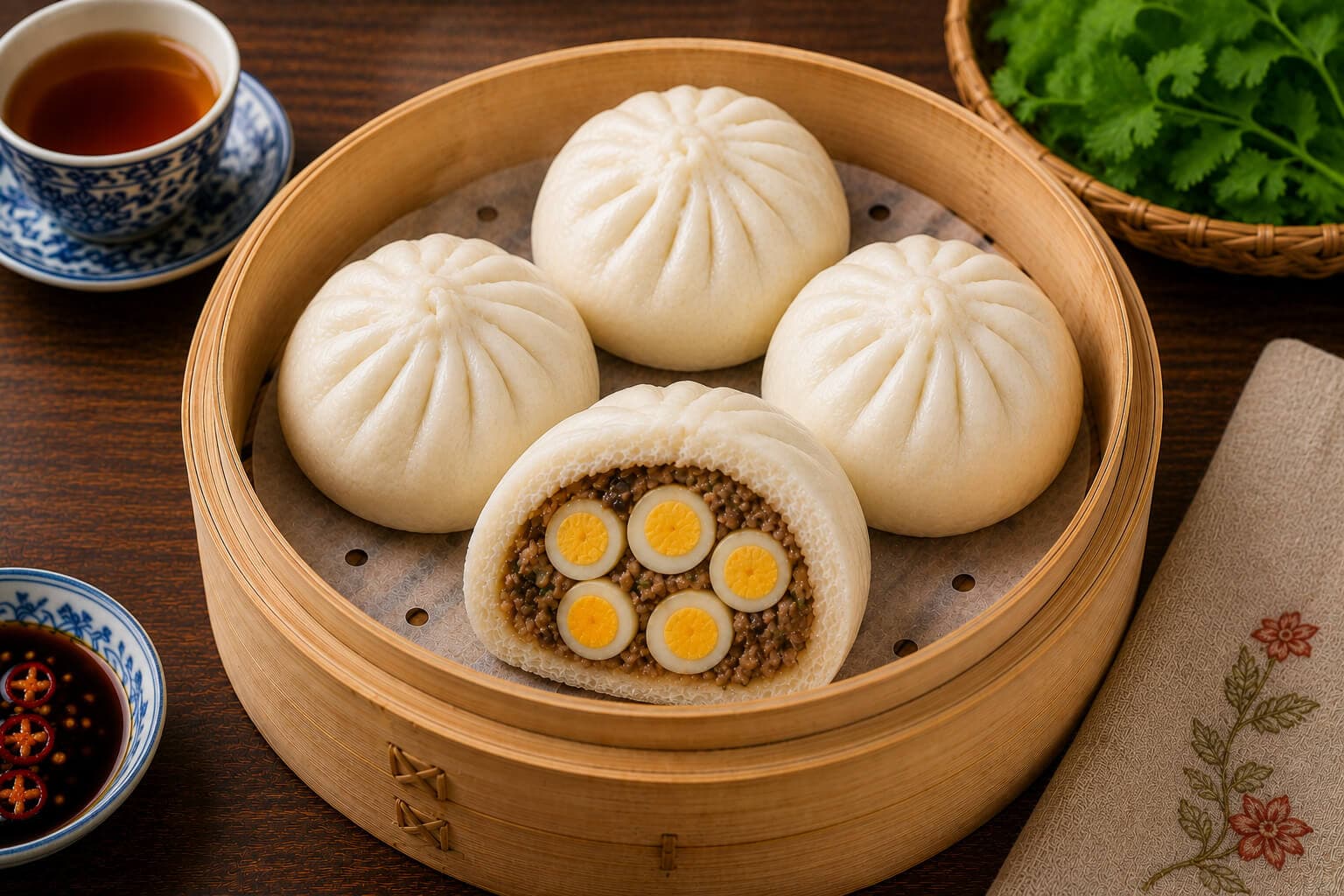
Mas Folhi
A savoury bun filled with spiced smoked fish and coconut rather than sweet coconut. A heartier short eat for those who prefer savoury to sweet.
Wheat flour — the base of the dough
Water, to bring the dough together
Sugar, sweetening the dough and the coconut filling
Freshly grated coconut, the classic huni folhi filling
Rosewater or cardamom to scent the sweet filling (optional)
Spiced smoked fish in the savoury mas folhi version
A little salt to season
A touch of oil to enrich and griddle the buns
Local Hotaa (Teashops), Malé
📍 Around Majeedhee Magu, Malé
Malé teashops stock sweet huni folhi and other buns in their cabinets through the day. The most authentic and affordable place to try folhi with tea.
Seagull Cafe House
📍 Fareedhee Magu, Malé
A relaxed Malé cafe serving Maldivian short eats and sweet buns. A comfortable place to try huni folhi with an English menu.
Hulhumalé Teashops
📍 Central Hulhumalé
The teashops of Hulhumalé serve sweet and savoury folhi as part of the daily hedhikaa range. A handy stop near the airport island.
Maafushi Island Cafes
📍 Maafushi Island, Kaafu Atoll
Local cafes on Maafushi serve sweet coconut buns and short eats with tea. A budget-friendly island stop to try huni folhi.
Resort Afternoon Tea
📍 Resort islands, North & South Malé Atolls
Resorts present Maldivian sweet buns at afternoon tea and on themed buffets, where folhi feature among the local pastries. A polished way to try them.
Addu City Teashops
📍 Hithadhoo, Addu City
The teashops of the southern Addu atoll bake generous sweet buns. A great place to taste huni folhi away from the busier central islands.
| Venue Type | MVR | USD (approx.) | INR (approx.) |
|---|---|---|---|
| Teashop (hotaa), per piece | Local | $0.20 — $0.60 | ₹17 — ₹50 |
| Cafe, per piece | Local | $0.40 — $0.80 | ₹33 — ₹67 |
| Short-eats plate (several) | Local | $2 — $5 | ₹167 — ₹415 |
| Resort afternoon tea | Resort | Included | Included |
The sweet huni folhi, filled with sweetened grated coconut, is vegetarian. The plain flatbread is also vegetarian; only the savoury mas folhi contains fish.
Ask specifically for "huni folhi" (sweet coconut) or plain folhi to be sure of a vegetarian bun, and avoid the fish-filled mas folhi.Vegan note: Sweet coconut huni folhi is usually vegan, as it contains no dairy or egg — check the dough at your teashop.
Jain note: Sweet coconut folhi are generally suitable for Jain diners, containing flour, sugar and coconut with no onion or garlic in the filling.
Folhi is the Maldivian family of griddle flatbreads and soft savoury-sweet buns. The best-known is huni folhi, a bun filled with sweetened grated coconut, eaten as a teashop snack.
Huni folhi is a soft bun filled with huni — sweetened grated coconut, sometimes scented with rosewater or cardamom. It is the most popular sweet version of folhi.
The sweet huni folhi and the plain flatbread are vegetarian. Only the savoury mas folhi, filled with spiced fish, is not.
Yes — like all traditional Maldivian food, folhi contain no pork or alcohol and are fully halal.
At tea time as a snack (hedhikaa), eaten with sweet milky tea, and as part of celebrations and Ramadan spreads.
Both exist — the popular huni folhi is sweet with a coconut filling, while mas folhi is savoury with spiced fish. Plain folhi flatbread is neutral.
No — folhi is made from wheat flour and contains gluten.
Roshi is a thin, plain unleavened flatbread eaten with meals; folhi is softer and often enriched or filled, eaten as a tea-time snack rather than a meal accompaniment.
In any teashop (hotaa) or cafe on an inhabited island, and at resort afternoon tea and "Maldivian night" spreads.
Gently sweet, with a soft bread exterior and a moist, sweet coconut centre — a little like a coconut-stuffed sweet bun. It is mild and comforting rather than rich.
Our specialists plan food-focused itineraries around what you want to eat.
Plan My Food Trip