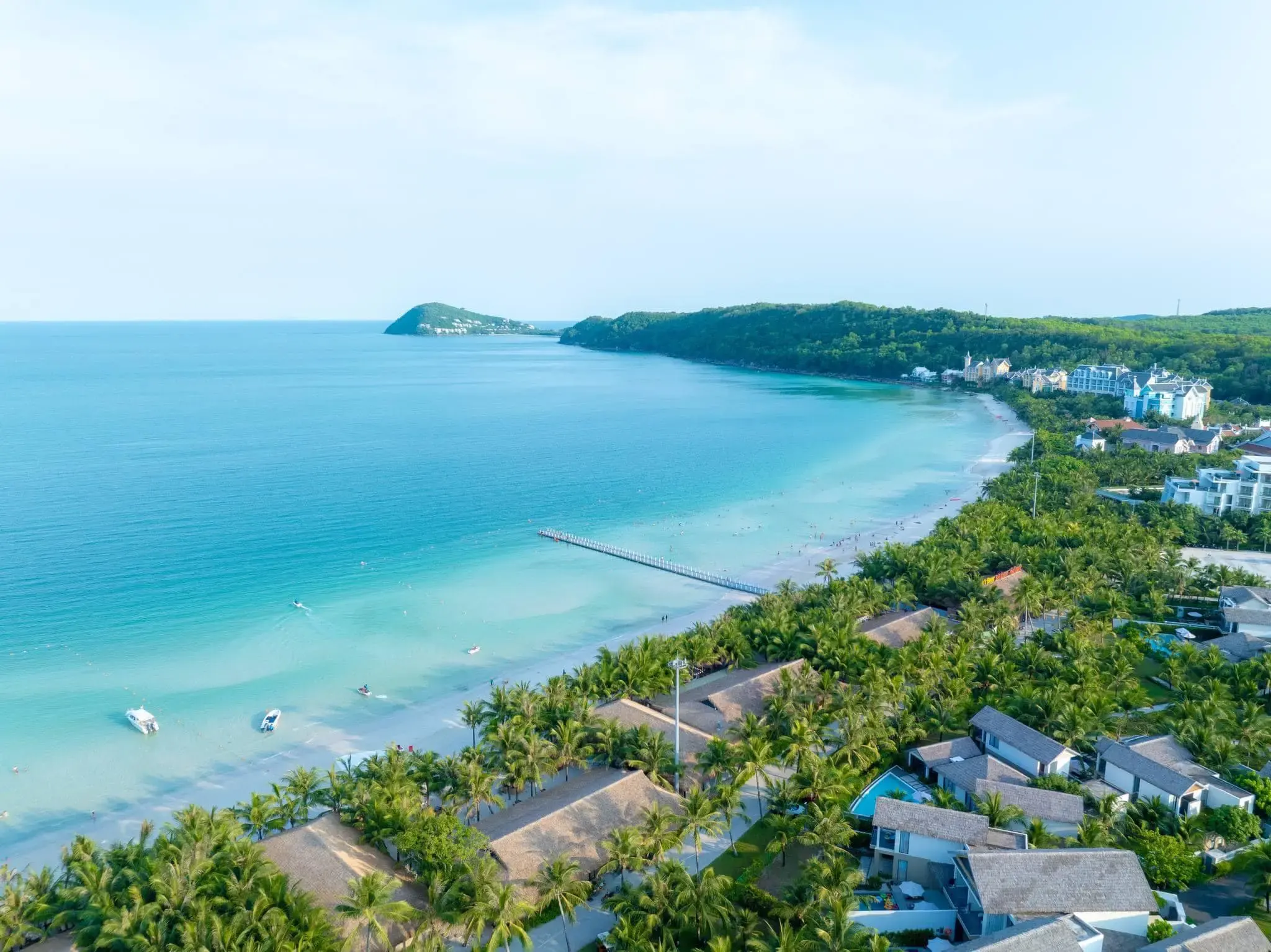
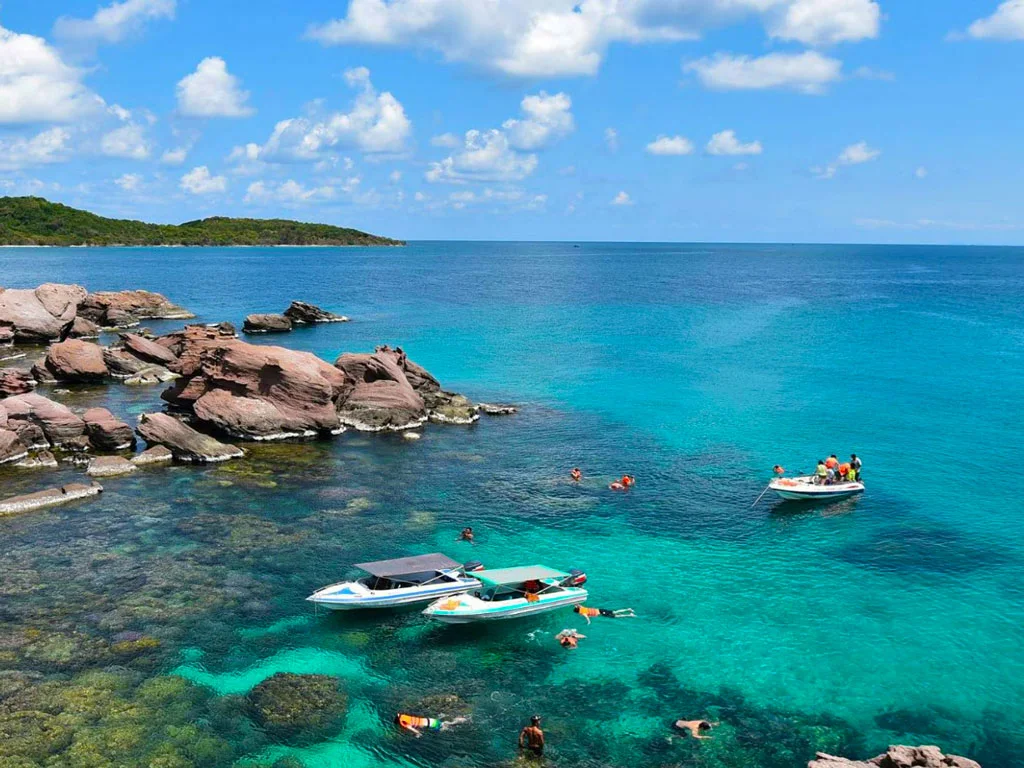
Huvadhoo Atoll — known administratively as Gaafu — is one of the largest and deepest atolls on Earth, a vast ring of reef and lagoon in the remote far south of the Maldives, just north of the Equator. Its lagoon is enormous and unusually deep, scattered with more than two hundred islands, only a fraction of them inhabited. Because it is so far from Malé and so lightly developed, Huvadhoo remains one of the most untouched corners of the country: empty white-sand islands, pristine reefs, world-class surf breaks and dive sites that see almost no crowds. This is the Maldives as it was before mass tourism — wild, spacious and gloriously remote.
For Indian travellers seeking adventure rather than a packaged resort, Huvadhoo is a rare prize. Surfers come for consistent, uncrowded southern swells; divers come for dramatic channel (kandu) dives teeming with sharks, mantas, eagle rays and pelagic fish in deep, clear water; and everyone comes for the sense of genuine escape. Local islands such as Tinadhoo (the regional hub of Gaafu Dhaalu) and Gadhdhoo (famous for its traditional thundu kunaa reed-mat weaving) offer authentic island life, guesthouses and a warm welcome, with neighbouring uninhabited islands and sandbanks for castaway day trips.
Reaching Huvadhoo takes commitment — a domestic flight from Malé to one of the atoll's airports, then a speedboat to your island — and that effort is exactly what keeps it pristine. As inhabited Muslim islands, the local communities sell no alcohol, ask for modest dress in the villages, and provide designated beach areas for swimwear. Three to six nights suits most travellers — long enough to surf or dive properly, explore several islands, visit empty sandbanks and reefs, and disconnect completely in one of the most remote and beautiful atolls in the world.
Best Time to Visit Huvadhoo Atoll
Huvadhoo lies in the far south, near the Equator, so it is hot and humid all year (27–31°C) with a warm sea around 28–30°C. It loosely follows the Maldives' two monsoons: the dry north-east monsoon (Iruvai), roughly December to April, brings calmer seas and the clearest water for diving, while the south-west monsoon (Hulhangu), May to November, is wetter and brings the bigger swells that surfers prize. So the "best" time depends on whether you have come to dive or to surf.
For Indian travelers: Best months for Indian travellers: for diving and all-round calm, November to April, when seas are calmest and visibility best. For surfing, the south-west monsoon swell (around May to October) delivers the most consistent waves on the atoll's southern breaks. February and March are the driest, clearest peak; the wetter months are quieter and better-value, with livelier seas.
Month
High °C
Low °C
Rainfall
Notes
JanIdeal
30°
25°
Moderate
Excellent — best diving visibility, calm seas
FebIdeal
31°
25°
Low
Ideal — driest, calmest, top diving
MarIdeal
31°
26°
Low
Ideal — warm, calm, superb visibility
AprIdeal
31°
26°
Moderate
Excellent — warm; rains building
May
31°
26°
Heavy
Wet monsoon; surf season begins
Jun
30°
25°
Heavy
Wettest; consistent uncrowded surf
Jul
30°
25°
Moderate
Surf season; calmer dive days too
Aug
30°
25°
Moderate
Surf and diving both possible
Sep
30°
25°
Heavy
Rainy; good waves, green-season value
Oct
30°
25°
Heavy
Surf tailing off; seas calming
NovIdeal
30°
25°
Moderate
Improving — dive conditions returning
DecIdeal
30°
25°
Moderate
Dry monsoon returns — calm, clear water
All temperature ranges are approximate. Huvadhoo Atoll's weather can vary year to year.
How to Reach Huvadhoo Atoll from India
Fly into Velana International Airport (MLE) — gateway; then domestic flight + speedboat to Huvadhoo
(MLE).
Huvadhoo (Gaafu) Atoll is deep in the far south, so the journey has two legs. Everyone flies into Velana International Airport (MLE) near Malé, then takes a domestic flight south to one of the atoll's airports (Kaadedhdhoo serving Gaafu Dhaalu, or Kooddoo serving Gaafu Alif), followed by a speedboat to your chosen island. The remoteness is part of the appeal — and we arrange the whole chain for you.
Flight Routes
Delhi (DEL)
via Direct to Malé (MLE), then domestic to Kaadedhdhoo/Kooddoo + speedboat
IndiGo, Air India, Maldivian (domestic)
Total: ~4.5 hrs to Malé + domestic + boat
Mumbai (BOM)
via Direct to Malé, then domestic + speedboat
IndiGo, Air India, Maldivian (domestic)
Total: ~3.5 hrs to Malé + domestic + boat
Bengaluru / Hyderabad / Chennai
via Direct or one-stop to Malé, then domestic + speedboat
IndiGo, Air India Express, Maldivian
Total: ~3.5–4 hrs to Malé + domestic + boat
Kochi (COK)
via Direct to Malé, then domestic + speedboat — shortest from India
IndiGo, Air India Express
Total: ~1.5 hrs to Malé + domestic + boat
Typical fare: Round-trip economy fares to Malé from India typically run ₹25,000–₹55,000. The domestic flight south plus speedboat transfer adds roughly ₹14,000–₹24,000 per person depending on routing and season — Huvadhoo is one of the most remote (and rewarding) atolls to reach. We bundle the legs for the best value.
Airport to City Transfers
Mode
Cost (approx.)
Time
Notes
Domestic flight + speedboat (we arrange)
₹14,000–₹24,000/person
flight ~1 hr + boat
The standard route — a domestic hop south, then a speedboat to your island. Daylight-only; we time the connections.
Guesthouse boat transfer
often included
short to long
Many guesthouses arrange the final speedboat leg across the lagoon. We confirm with your booking.
Inter-island speedboat
varies
varies
Boats link islands within the huge atoll; distances can be significant given the lagoon's size.
Liveaboard pickup
in package
varies
Some surf and dive trips join a liveaboard that cruises the atoll's reefs and breaks.
Visa: The Maldives grants a free 30-day visa on arrival to all nationalities, including Indian passport holders — no advance e-visa is needed. Carry a passport valid for at least six months, a confirmed guesthouse booking and an onward/return ticket, and complete the IMUGA online arrival card within 96 hours before you fly. No separate permit is needed for Huvadhoo. We assist all our travellers.
All prices are approximate (2026). Confirm with us before booking.
Top Attractions in Huvadhoo Atoll
1. Southern Surf Breaks
Free (bring/hire board); surf trips ₹3,000–₹8,000Daylight, swell-dependent⏱ Half to full day
Huvadhoo's exposed southern reefs catch consistent Indian Ocean swell, producing some of the most uncrowded world-class surf in the Maldives — long, clean reef waves with rarely another surfer in sight. During the south-west monsoon (around May to October) the breaks fire, and because the atoll is so remote, you often have a perfect wave entirely to yourself.
This is for experienced, self-sufficient surfers — reef breaks, strong currents and no crowds (or lifeguards). The swell is most consistent in the wetter months. Local guides and surf-camp boats know which break is working each day. Reef booties and a good first-aid kit are wise.
2. Channel (Kandu) Diving
Fun dive ₹4,000–₹6,000; try-dive ₹4,000–₹6,000Tide-scheduled dives⏱ Half day per dive trip
Huvadhoo's vast, deep lagoon drains and fills through dramatic channels (kandus), and the strong tidal currents draw extraordinary marine life — walls of grey reef sharks, eagle rays, mantas, napoleon wrasse, schooling jacks and barracuda, and pristine coral. With so few divers, the channel dives here are wild, big-animal experiences in clear, deep water that rank among the best in the country.
Channel dives are current-fed and best for experienced divers; the dive centres time them precisely to the tides. Visibility is best in the dry season (December–April). Bring your certification card and logbook, a dive computer and a reef hook if you have one.
3. Tinadhoo Island
FreeAnytime⏱ Half day
Tinadhoo is the capital and regional hub of Gaafu Dhaalu, the southern half of Huvadhoo — a larger local island with a harbour, shops, guesthouses and a friendly community, set against the atoll's huge lagoon. It makes a practical, welcoming base for exploring the far south, with easy access to surf, dive and island-hopping trips across the lagoon.
Use Tinadhoo as your base for boat trips to surf breaks, dive channels and uninhabited islands. Dress modestly in the village. Late afternoon at the harbour, as the fishing boats return, is a lovely slice of authentic island life.
4. Gadhdhoo Island & Reed-Mat Weaving
Free; mats ₹1,500–₹6,000Daytime⏱ Half day
Gadhdhoo is one of Huvadhoo's most characterful local islands, famous across the Maldives for thundu kunaa — intricate, naturally dyed reed mats hand-woven by the island's women using a craft passed down for generations. Visiting a weaver, watching the slow, skilled work and buying a mat directly is a genuine cultural highlight, and the island has its own beaches, reefs and warm community.
Ask your guesthouse to arrange a weaving visit. A handmade thundu kunaa mat is the most meaningful souvenir you can take from Huvadhoo — buy directly from the weaver to support the craft. Dress modestly and ask before photographing.
5. Uninhabited Island & Sandbank Trips
₹2,000–₹4,000/personHalf to full day⏱ 4–7 hours
Huvadhoo's enormous lagoon holds dozens of uninhabited islands and bare sandbanks — empty stretches of white sand and palm with pristine reefs offshore and not another soul around. Boat trips drop you on a deserted island or sandbank for snorkelling, swimming and a picnic, delivering the purest castaway experience in one of the most remote atolls on Earth.
Trips depend on the day's conditions, so book the evening before. The sheer number of empty islands means you can have one entirely to yourself. Reef-safe sunscreen, a hat and water are essential; carry everything you need, as there are no facilities.
6. Manta & Reef Snorkelling
₹1,500–₹3,500/personDaylight⏱ Half day
Beyond the deep channel dives, Huvadhoo's reefs offer superb snorkelling — vibrant coral, dense reef fish, turtles, reef sharks and, at the right times and places, manta rays gliding over cleaning stations. With so little tourism, the reefs are healthy and the snorkelling crowd-free, even at the best sites.
Ask your dive or guesthouse hosts when and where mantas and turtles have been showing. Snorkelling is calmest in the dry season. Never touch or stand on coral, and keep your distance from mantas and turtles.
7. Dolphin & Sunset Cruise
₹1,500–₹2,800/personLate afternoon⏱ 2 hours
Huvadhoo's huge lagoon and channels are rich in dolphins, and late-afternoon cruises set out to find pods of spinner and bottlenose dolphins riding the bow waves against the southern sunset. In such empty seas, it is an especially serene version of one of the Maldives' most loved excursions.
Sightings are common but wild. Bring a light layer for the breeze. Often combined with a snorkel or sandbank stop into a full afternoon on the lagoon.
8. Local Island Village Life
FreeAnytime; mornings and evenings best⏱ 1–2 hours
The inhabited islands of Huvadhoo are among the most traditional and least touristed in the Maldives, with their own southern dialect of Dhivehi, old crafts and a settled fishing-and-farming culture. Wandering the villages — sandy lanes, coral houses, harbours, mosques and small shops — offers a genuine, unhurried glimpse of far-south island life.
Dress modestly and greet people warmly — these communities are welcoming but conservative. Ask before photographing residents. Late afternoon, when the heat eases and boats return, is the loveliest time to explore.
9. Night Fishing Trip
₹1,200–₹2,500/personAfter sunset⏱ 2–3 hours
A traditional Maldivian hand-line fishing trip aboard a wooden dhoni after dark, drifting over the reefs where snapper, grouper and emperor fish bite at night. The crew teach you the simple technique, and many guesthouses will grill your catch for dinner — a genuinely local evening in the remote south.
No experience needed. Ask whether your guesthouse will cook the catch (most do for a small fee). Calm dry-season nights are best; trips can be cancelled in rough seas.
All prices are approximate (2026). Confirm with us before booking.
Famous Food in Huvadhoo Atoll
Huvadhoo's food is honest, home-style southern Maldivian cooking, eaten mostly in guesthouses on the local islands — fresh-caught tuna and reef fish, coconut, rice and roshi, with the strong spicing and distinct character of the far south. It is fresh, generous and deeply local, far from any resort buffet.
1
Mas Huni & Roshi₹150–₹350
The classic Maldivian breakfast — shredded smoked tuna with grated coconut, onion, chilli and lime, eaten with warm roshi flatbread. A light start before a surf or dive day.
Best at: Every guesthouse breakfast
2
Garudhiya₹150–₹300
A clear, fragrant tuna broth over rice with lime, chilli, onion and rihaakuru. The everyday comfort food of the islands.
Best at: Local cafés and guesthouse kitchens
3
Mas Riha (Tuna Curry)₹250–₹450
Fresh tuna in a coconut-milk curry with curry leaves and Maldivian spices, served with rice or roshi — the staple island dinner, often notably spicy in the south.
Best at: Guesthouse dinners
4
Fihunu Mas (Grilled Fish)₹350–₹700
Whole reef fish or tuna steaks marinated in chilli paste and grilled over coals on the beach — smoky, fresh, often your own catch.
Best at: Beach BBQ nights
5
Kukulhu Riha (Chicken Curry)₹250–₹450
A rich Maldivian chicken curry in coconut milk with island spices — a welcome change from fish, served with rice or roshi.
Best at: Guesthouse dinners
6
Bajiya & Short Eats₹50–₹150
The Maldivian tea-time table — bajiya, gulha and kavaabu made with smoked fish and coconut, with sweet tea.
Best at: Village hotaa (tea shops)
7
Fresh Tuna & Reef Catch₹400–₹800
These are fishing islands, so the tuna and reef fish on your plate were landed hours earlier — grilled, curried or seared. Wonderfully fresh.
Best at: Guesthouse dinners
8
Roshi, Curry & Rice Plate₹200–₹400
The everyday islander plate — flaky roshi with a fish or vegetable curry and rice, plus a chilli relish. Filling and vegetarian-friendly.
Best at: Guesthouse kitchens
9
Saagu Bondibai₹100–₹200
A warm, sweet sago-and-coconut-milk pudding scented with rosewater — the gentle Maldivian dessert to finish a curry dinner.
Best at: Guesthouse dinners
10
Fresh Coconut & Fruit₹80–₹200
Chilled young coconut and tropical fruit — the alcohol-free refreshment of choice on these remote local islands.
Best at: Guesthouses and the village
🌿 Vegetarian & Vegan Travelers
Vegetarians are accommodated on Huvadhoo's local islands — guesthouse kitchens make roshi with vegetable and dhal curries, rice, salads and fresh fruit, and will adapt dishes on request. Because the atoll is remote, supplies are planned ahead, so let your guesthouse know your dietary needs well in advance.
Guesthouse kitchens — vegetable curries, dhal, roshi and fruit plates on request
Local cafés — roshi, rice and vegetable curries at island prices
Village hotaa (tea shops) — vegetarian short eats with sweet tea
Arrange vegetarian packed meals for surf, dive and island-hopping days in advance
Tell your guesthouse your dietary needs at booking so they can stock up
🍛
Indian Food Near Huvadhoo Atoll
Looking for Indian food?
Addu City
has 6+ verified Indian restaurants
— dal, paneer, biryani, vegetarian & Jain options covered.
All prices are approximate (2026). Confirm with us before booking.
Markets & Shopping
Gadhdhoo Reed-Mat Weavers
Visit the women of Gadhdhoo weaving traditional thundu kunaa reed mats — buy directly from the maker for the most meaningful Huvadhoo souvenir.
Hours: Daytime ·
Best for: Handwoven thundu kunaa mats, cultural visit
Tinadhoo Shops & Harbour
The regional hub of Gaafu Dhaalu has the atoll's best general shops, a harbour and supplies — the practical centre for the southern half of Huvadhoo.
Hours: Daytime / early evening ·
Best for: Supplies, groceries, SIM cards, local life
General Stores
Village shops on the inhabited islands stocking water, snacks, basic groceries and everyday essentials at fair island prices.
Hours: 7 AM – 11 PM ·
Best for: Water, snacks, SIM top-ups, basics
Fish Harbours
Working harbours where the dhonis land tuna and reef fish — local atmosphere and the source of dinner.
Hours: Afternoon landings ·
Best for: Local atmosphere, photography, fresh fish
Surf & Dive Desks
Guesthouses, surf camps and dive centres act as booking points for breaks, channel dives, island hops and gear hire.
Hours: 8 AM – 8 PM ·
Best for: Booking surf, dives and trips; gear hire
💡 Bargaining Tips
Huvadhoo is not a shopping destination — village and store prices are fixed and fair, with little haggling. Handwoven thundu kunaa mats are priced for the skilled work involved; buy directly from weavers to support the craft. Surf and dive prices are set per operator, so ask about packages and multi-day rates.
What to Buy
Handwoven thundu kunaa reed mats from Gadhdhoo (the signature Huvadhoo craft), lacquered Maldivian boxes, woven palm-leaf items, and surf or dive souvenirs. Bring most gear and essentials from Malé, as choice is limited. Never buy anything made from coral, turtle shell or protected species.
Nightlife in Huvadhoo Atoll
Huvadhoo is remote, traditional Maldives — there is no nightlife in the city sense, and as inhabited Muslim islands the communities sell no alcohol. Evenings are about the things the far south does best: empty beaches, brilliant Equatorial stars, fresh seafood dinners and the deep quiet of one of the world's most untouched atolls. For a drink, a liveaboard is the option.
Beach & Sandbank Sunsets
Sunset over the vast, empty lagoon from a local-island beach or a deserted sandbank — the far south at its most beautiful.
Serene, free, remote sunset
Guesthouse Seafood Dinners
Home-cooked dinners of fresh tuna, curries and grilled reef fish, sometimes a beach BBQ, shared with fellow surfers and divers.
Home-style, alcohol-free, social
Stargazing
Near the Equator with almost no light pollution, Huvadhoo's night sky is extraordinary; on dark nights the lagoon can glow with bioluminescence.
Cosmic, romantic, free
Harbour & Village Evenings
Sweet tea and short eats at the village tea shops, and quiet strolls along the harbour as the day winds down.
Local, casual, alcohol-free
Liveaboard Bar
For a legal drink, a surf or dive liveaboard cruising the atoll has a bar — sundowners between sessions out on the reefs.
Liveaboard, sundowners, between sessions
Boduberu Cultural Night
Occasionally a community or guesthouse hosts boduberu — traditional Maldivian drumming and dance — a lively taste of southern island culture.
Traditional drumming, festive, cultural
Note for Indian travelers: Huvadhoo is utterly safe but genuinely remote, with no nightlife and no alcohol on the inhabited islands. Come for the adventure and the silence, not the action. For a drink, a liveaboard is the answer. The reward here is wild surf, big-animal diving, empty islands and some of the darkest, starriest skies in the Maldives.
Day Trips & Nearby
Huvadhoo Atoll's greatest strength as a base is its extraordinary day-trip range. Within a few hours you can be on a UNESCO bay, in a misty mountain village, or gliding through limestone canyons by rowing boat.
Southern Surf Session
Atoll reef breaks
Half to full day
Boat out to Huvadhoo's uncrowded southern breaks for world-class, often empty reef surf (south-west monsoon swell).
Channel (Kandu) Dive
Atoll channels
Half day
A current-fed channel dive with grey reef sharks, eagle rays, mantas and schooling fish in clear, deep water.
Uninhabited Island & Sandbank
Across the lagoon
Half to full day
Get dropped on a deserted island or sandbank for snorkelling, swimming and a castaway picnic.
Gadhdhoo Weaving Visit
Within the atoll
Half day
Visit Gadhdhoo's reed-mat weavers to watch the traditional thundu kunaa craft and buy a mat directly.
Manta & Reef Snorkel
Nearby reefs
Half day
Snorkel pristine, crowd-free reefs with the chance of mantas, turtles and reef sharks.
Addu Atoll Extension
Further far south
Extension
Combine Huvadhoo with neighbouring Addu Atoll — the southern Maldives' second urban area, with reefs and wartime wrecks.
The southern half of Huvadhoo around its regional hub Tinadhoo — the most practical base, with guesthouses, supplies and easy access to surf, dive and island-hopping trips. Local guesthouses run $50–$150 a night, usually with breakfast and activity packages.
Best for: First-timers, surfers, divers, practical base ·
Noise: Low
Gadhdhoo & Cultural Islands
Character-rich local islands like Gadhdhoo, famous for reed-mat weaving, with their own beaches, reefs and warm communities. A more cultural, authentic stay. Typically $40–$100.
Best for: Culture seekers, authentic local life ·
Noise: Quiet
Surf & Dive Camp Islands
Islands near the best breaks and channels, with surf camps and dive-focused guesthouses geared to active travellers. Close to the action across the lagoon.
Best for: Dedicated surfers and divers ·
Noise: Low
Liveaboard or Resort Add-On
For a legal bar, overwater villas or roaming the atoll's breaks and reefs, pair Huvadhoo with a surf/dive liveaboard or a far-south resort. Resort nights run $250–$500 mid-range and $800–$3,000 for luxury overwater villas.
Best for: Splurge nights, roaming surfers/divers, honeymooners ·
Noise: Very low
Our recommendation: First-timers, surfers and divers: a guesthouse around Tinadhoo for the easiest access across the lagoon. Culture seekers: Gadhdhoo for the weaving and authentic island life. For a legal bar and roaming the reefs and breaks, add a surf or dive liveaboard. We tailor the base to your sport and budget.
Getting Around Huvadhoo Atoll
Mode
Cost
Best For
Tips
Walking
Free
Within a local-island village
Easy for exploring the village you stay on; the atoll itself is far too large to cross on foot.
Bicycle
₹300–₹600/day
Exploring your island
Some guesthouses have bikes for getting around the larger local islands.
Speedboat / dhoni
included in trip
Surf, dives, island hopping, sandbanks
The lifeblood of Huvadhoo — almost everything is reached by boat across the huge lagoon. Booked through guesthouses and camps.
Domestic flight
part of transfer
Reaching the atoll from Malé
Fly Malé to Kaadedhdhoo or Kooddoo, then a speedboat. Daylight-only; we arrange the connection.
Inter-island speedboat
varies
Moving between islands
Boats link the inhabited islands; given the atoll's size, some hops are long.
Liveaboard
in package
Roaming the breaks and reefs
Surf and dive liveaboards cruise the atoll, putting you on a different break or channel each day.
All prices are approximate (2026). Confirm with us before booking.
Suggested Itineraries
Whether you have a weekend or a week, here are tried-and-tested day-by-day plans for Huvadhoo Atoll and the surrounding region.
Ready to plan your Huvadhoo Atoll trip?
Tell us your travel dates and we'll build a personalised itinerary with hotels, transfers, and experiences — at no extra cost.
Huvadhoo (Gaafu) is one of the largest and deepest atolls on Earth — a vast, lightly developed lagoon in the far south. Expect serious remoteness, empty islands and a true sense of escape.
World-Class, Uncrowded Surf
Its southern reef breaks catch consistent swell, mostly during the south-west monsoon (around May–October), often with no one else out. For experienced, self-sufficient surfers, it is a dream.
Big-Animal Channel Diving
Strong currents through the deep channels (kandus) draw grey reef sharks, eagle rays, mantas and schooling fish. The diving is wild and crowd-free — best for experienced divers, in the dry season for visibility.
Plan the Two-Leg Journey
Getting here means a domestic flight from Malé plus a speedboat, both daylight-only with limited schedules. We plan and time the connections so the long journey runs smoothly.
🧵
See the Gadhdhoo Weavers
Gadhdhoo is famous for handwoven thundu kunaa reed mats. Visiting a weaver and buying a mat directly is the most meaningful souvenir — and supports a craft passed down for generations.
Have an Island to Yourself
With so many uninhabited islands and sandbanks across the huge lagoon, you can be dropped on a deserted white-sand island for a true castaway day — bring everything you need.
👕
Respect the Local-Island Dress Code
The inhabited islands are conservative Muslim communities. Cover shoulders and knees in the villages; swimwear is for designated beach areas and excursions only.
No Alcohol on the Islands
No alcohol is sold on the inhabited islands. For a drink, a surf or dive liveaboard is the option. Evenings are alcohol-free, centred on food, stars and the sea.
Vegetarians, Plan Ahead
Guesthouse kitchens do roshi, dhal, vegetable curries, rice, salads and fruit — but supplies are planned ahead on such a remote atoll, so tell your guesthouse your needs well in advance.
Carry USD Cash
Card facilities are limited in the far south. Guesthouses may take cards, but excursions and shops often want USD cash. The local Rufiyaa (MVR) is rarely needed.
Get a SIM at the Airport
Pick up a Dhiraagu or Ooredoo tourist SIM at Velana, or use an eSIM. Coverage exists across Huvadhoo but can be patchy — embrace the partial digital detox.
Insure Your Surf & Dive
Given the remote location and the deep, current-fed channel dives and reef breaks, make sure your travel insurance covers scuba diving and surfing. Good cover matters this far from Malé.
🌌
Spectacular Equatorial Skies
Near the Equator with almost no light pollution, the stars over Huvadhoo are breathtaking, and the lagoon can glow with bioluminescence on dark nights. Don't miss a late beach walk.
Power Plugs
The Maldives mainly uses the UK-style Type G three-pin plug. Indian Type D plugs do not fit, so bring a universal adapter.
Common questions from Indian travelers planning a Huvadhoo Atoll trip.
Is Huvadhoo Atoll worth visiting from India?
For adventurous travellers — surfers, divers and those craving genuine remoteness — yes, hugely. As one of the largest, deepest and most untouched atolls on Earth, Huvadhoo offers world-class uncrowded surf, big-animal channel diving and deserted islands. If you want easy resort comforts and short transfers, choose a central atoll instead.
How many days do I need in Huvadhoo Atoll?
Three to six nights. Given the long journey, a short visit isn't worth it. Three to four nights lets surfers or divers get properly into the sport and explore a few islands; five to six allows a deeper, unhurried far-south experience.
How do I get to Huvadhoo Atoll?
Fly into Velana International Airport (MLE), then take a domestic flight south to Kaadedhdhoo (Gaafu Dhaalu) or Kooddoo (Gaafu Alif), and finish by speedboat to your island. The legs are daylight-only with limited schedules, so we plan the connections carefully.
Is Huvadhoo good for surfing?
Yes — its exposed southern reefs produce world-class, uncrowded waves, most consistently during the south-west monsoon (around May to October). It's best suited to experienced, self-sufficient surfers comfortable with reef breaks and remote conditions.
Is Huvadhoo good for diving?
Outstanding. The vast, deep lagoon drains through dramatic channels with strong currents that draw grey reef sharks, eagle rays, mantas and schooling fish, on pristine, crowd-free reefs. The channel dives are best for experienced divers; the dry season gives the clearest water.
Is Huvadhoo Atoll safe for Indian travellers?
On land it is very safe — calm, friendly, traditional communities with very low crime. The cautions are in the water: respect the strong currents on channel dives and reef breaks, follow your guides, and ensure your insurance covers diving and surfing.
What is the best time to visit Huvadhoo from India?
It depends on your sport. For diving and all-round calm, November to April brings the calmest seas and best visibility, with February and March the driest peak. For surfing, the south-west monsoon swell (around May to October) delivers the most consistent, uncrowded waves.
How much does a Huvadhoo trip cost from India?
Excluding flights, budget roughly ₹4,000–₹8,000 per person per night for a guesthouse with breakfast, plus surf/dive and excursion costs, and ₹14,000–₹24,000 for the domestic flight and speedboat transfer. Round-trip flights to Malé from India typically run ₹25,000–₹55,000.
Can I drink alcohol in Huvadhoo Atoll?
Not on the inhabited islands — they are Muslim communities and sell no alcohol. For a drink, a surf or dive liveaboard cruising the atoll has a bar. Evenings on the islands are alcohol-free, centred on food, stars and the sea.
What are Tinadhoo and Gadhdhoo?
Tinadhoo is the regional hub of Gaafu Dhaalu — a larger local island that makes a practical, well-connected base. Gadhdhoo is a character-rich island famous across the Maldives for its handwoven thundu kunaa reed mats. Both offer guesthouses and authentic far-south island life.
Is Huvadhoo Atoll good for a honeymoon?
It is a wild, adventurous choice — wonderful for couples who love surfing, diving, empty islands and total escape. For a classic overwater-villa honeymoon it is less suited; we would pair a few far-south adventure days with a resort stay in a more central atoll.
Ready to book your Huvadhoo Atoll holiday?
Our Maldives specialists build complete itineraries — hotels, transfers, guided tours, and e-visa help — with costs quoted in your home currency. Trusted by thousands of Indian travelers.