Baa Atoll is the Maldives at its most extraordinary — a UNESCO Biosphere Reserve where, for half the year, the ocean stages one of the planet's great wildlife spectacles. At Hanifaru Bay, when the tides and currents are right, plankton blooms draw dozens — sometimes hundreds — of manta rays and the occasional whale shark into a small, sheltered cove to feed. Snorkellers float above as the giant rays loop and barrel-roll just beneath the surface. There is nowhere else in the Maldives quite like it.
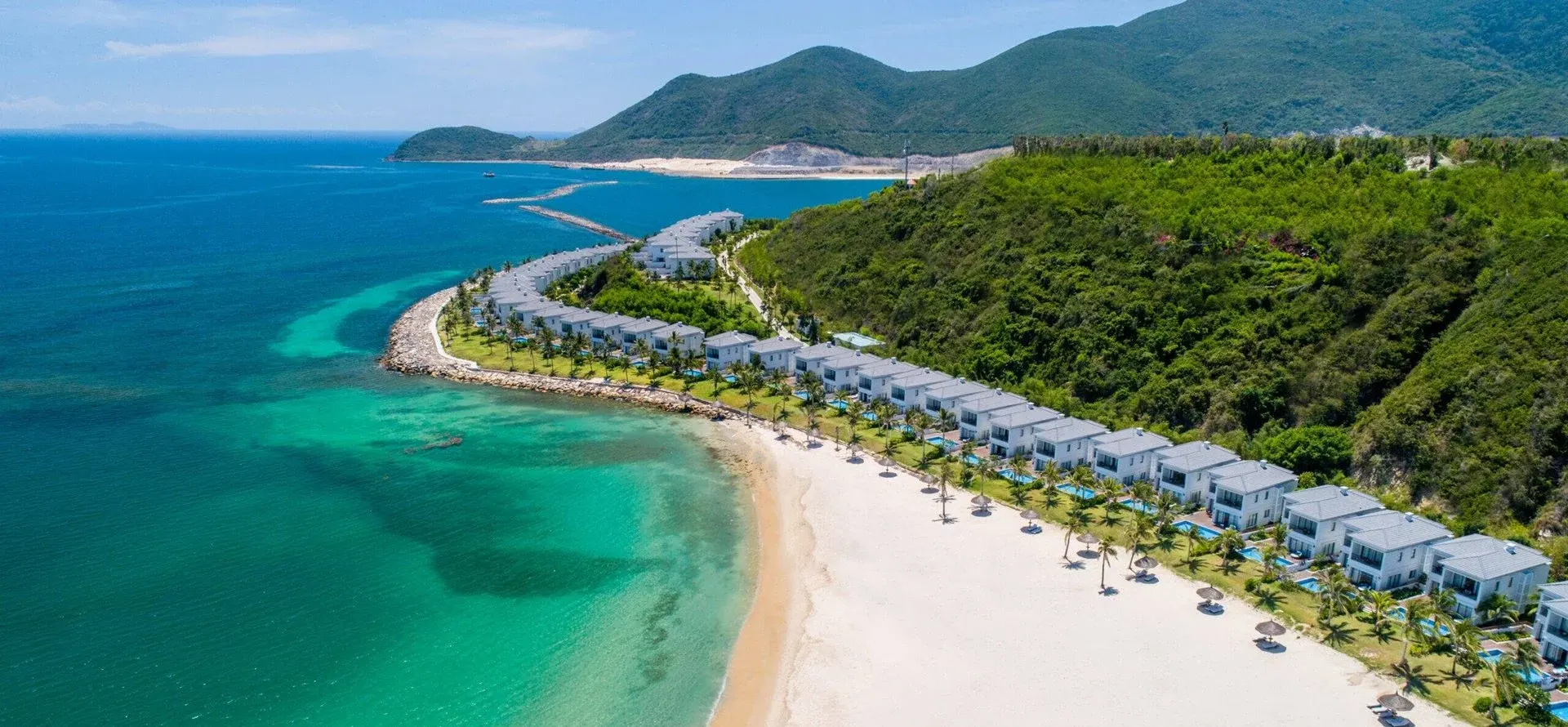
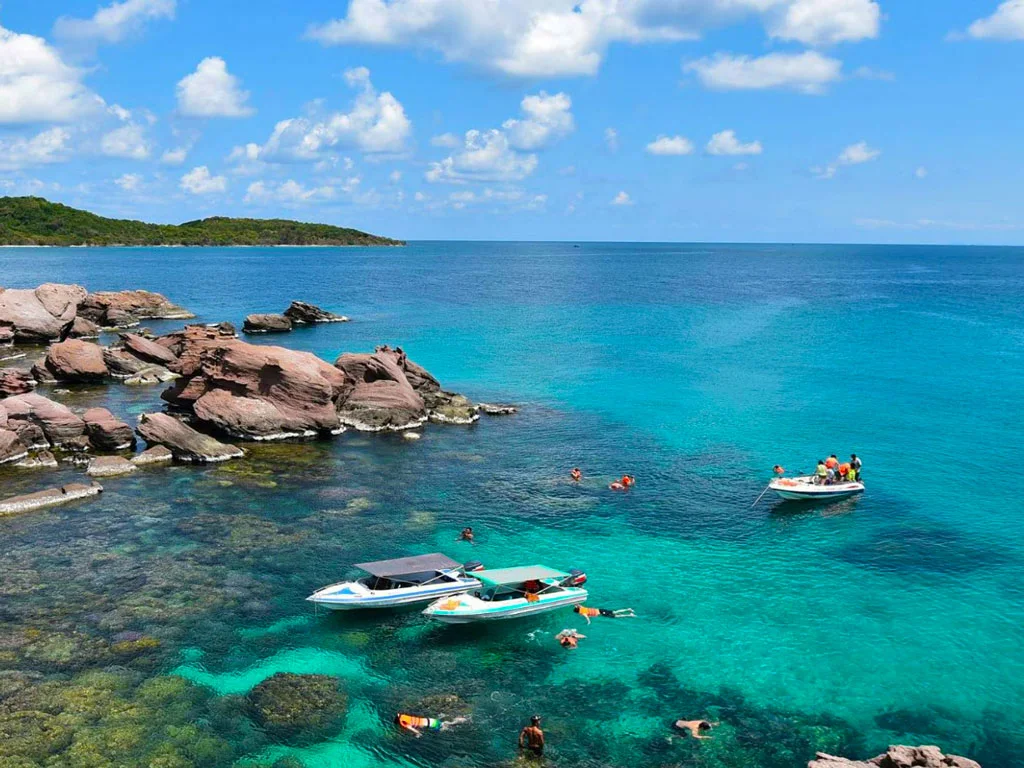
Beyond Hanifaru, Baa is a classic Maldivian atoll of around fifty islands — a scatter of palm-fringed sandbars and reef islets in impossibly clear, turquoise water. A handful are inhabited local islands, led by Eydhafushi (the atoll capital) and Dharavandhoo, which has the domestic airport. Many more host some of the country's finest luxury resorts — overwater villas, private house reefs and world-class diving on the atoll's outer slopes and channels. It is a place that pairs raw nature with serious comfort.
For Indian travellers, Baa Atoll is a bucket-list call. The manta aggregation peaks during the south-west monsoon (May to November), so the "best wildlife" window is the opposite of the "best weather" window — something worth planning around. Most visitors base themselves on a resort or a Dharavandhoo guesthouse for three to five nights, joining snorkel excursions to Hanifaru (numbers are capped to protect the bay), diving the reefs and slowing into island life. Reached by a short domestic flight from Malé to Dharavandhoo and a speedboat onward, it is far enough to feel remote, close enough to be easy.
Best Time to Visit Baa Atoll
Baa Atoll has the Maldives' two-monsoon climate, with a twist that matters here: the manta and whale shark aggregation at Hanifaru Bay peaks during the wetter south-west monsoon (May–November), when plankton-rich currents fill the bay. So the best weather (the dry season, Nov–April) and the best wildlife (May–Nov) only partly overlap.
For Indian travelers: For the manta spectacle: May to November, peaking around the full and new moons of June to October. For the calmest, sunniest weather and best all-round diving: November to April. Many travellers split the difference and visit in the shoulder months (late April–May or October–November) for a mix of both.
Month
High °C
Low °C
Rainfall
Notes
JanIdeal
30°
25°
Peak dry season — superb visibility, calm seas
FebIdeal
31°
25°
Driest month; excellent diving
MarIdeal
31°
26°
Hot, dry and bright
AprIdeal
31°
26°
Lovely weather; mantas may start to gather
May
31°
26°
Monsoon begins; manta season opens
Jun
30°
25°
Wetter, but mantas arriving at Hanifaru
Jul
30°
25°
Plankton blooms; strong manta activity
Aug
30°
25°
Peak Hanifaru aggregation; whale sharks possible
Sep
30°
25°
Peak manta season continues
Oct
30°
25°
Excellent mantas; weather improving
NovIdeal
30°
25°
Dry season returns; late manta chances
Dec
30°
25°
Peak season weather; festive and busy
All temperature ranges are approximate. Baa Atoll's weather can vary year to year.
How to Reach Baa Atoll from India
Fly into
().
Baa Atoll is reached from Velana International Airport (Malé) by a short domestic flight to Dharavandhoo, then a speedboat to your island — or by a scenic seaplane straight to luxury resorts. Most Indian travellers reach it as part of a Maldives itinerary via Malé.
Flight Routes
Typical fare:
Airport to City Transfers
Mode
Cost (approx.)
Time
Notes
Visa: No separate visa needed — your free 30-day visa on arrival covers all of the Maldives, including Baa Atoll. Complete the IMUGA online arrival card before you fly.
The jewel of Baa Atoll and the reason most people come. When plankton-rich currents fill this small, protected cove — chiefly May to November — dozens of reef manta rays, and sometimes whale sharks, gather to feed, looping and barrel-rolling just below the surface. It is a UNESCO-protected marine park: snorkelling only (no diving), no touching, and a daily cap on visitor numbers enforced by rangers.
Sightings depend on the tide and the rangers' call — go on a multi-day stay so you can try more than once. Snorkel calmly, keep your distance, and let the mantas come to you.
2. Dharavandhoo Island
FreeAny time⏱ Half day
The gateway local island, home to Baa Atoll's domestic airport and a growing cluster of guesthouses. Dharavandhoo is the most convenient base for Hanifaru excursions, with a tourist "bikini beach", friendly island life, and easy boat access to reefs and sandbanks. A relaxed, affordable way to experience Baa.
Stay here for the best-value Hanifaru access. Respect local custom — modest dress in the village, swimwear only on the bikini beach.
3. Eydhafushi (Atoll Capital)
FreeAny time⏱ Half day
The largest and most populous island of Baa Atoll, Eydhafushi is the administrative capital and a traditional centre of Maldivian lacquer-work and the fine woven mats known as thundu kunaa. A walk through its streets, harbour and mosque offers a genuine slice of atoll life away from the resorts.
Look out for local craftspeople making lacquerware and woven mats — a Baa Atoll speciality and a unique souvenir.
Many Baa Atoll islands are ringed by superb house reefs — coral gardens teeming with turtles, reef sharks, eagle rays, parrotfish and clouds of tropical fish, often just a few fin-kicks from the beach. The clear, warm water and rich biodiversity of this Biosphere Reserve make even casual snorkelling exceptional.
Snorkel at high tide for easier reef access. Wear a rash guard, use reef-safe sunscreen, and never touch or stand on the coral.
5. Sandbank & Picnic Island Trip
$40–$100 per personDay trips⏱ Half day
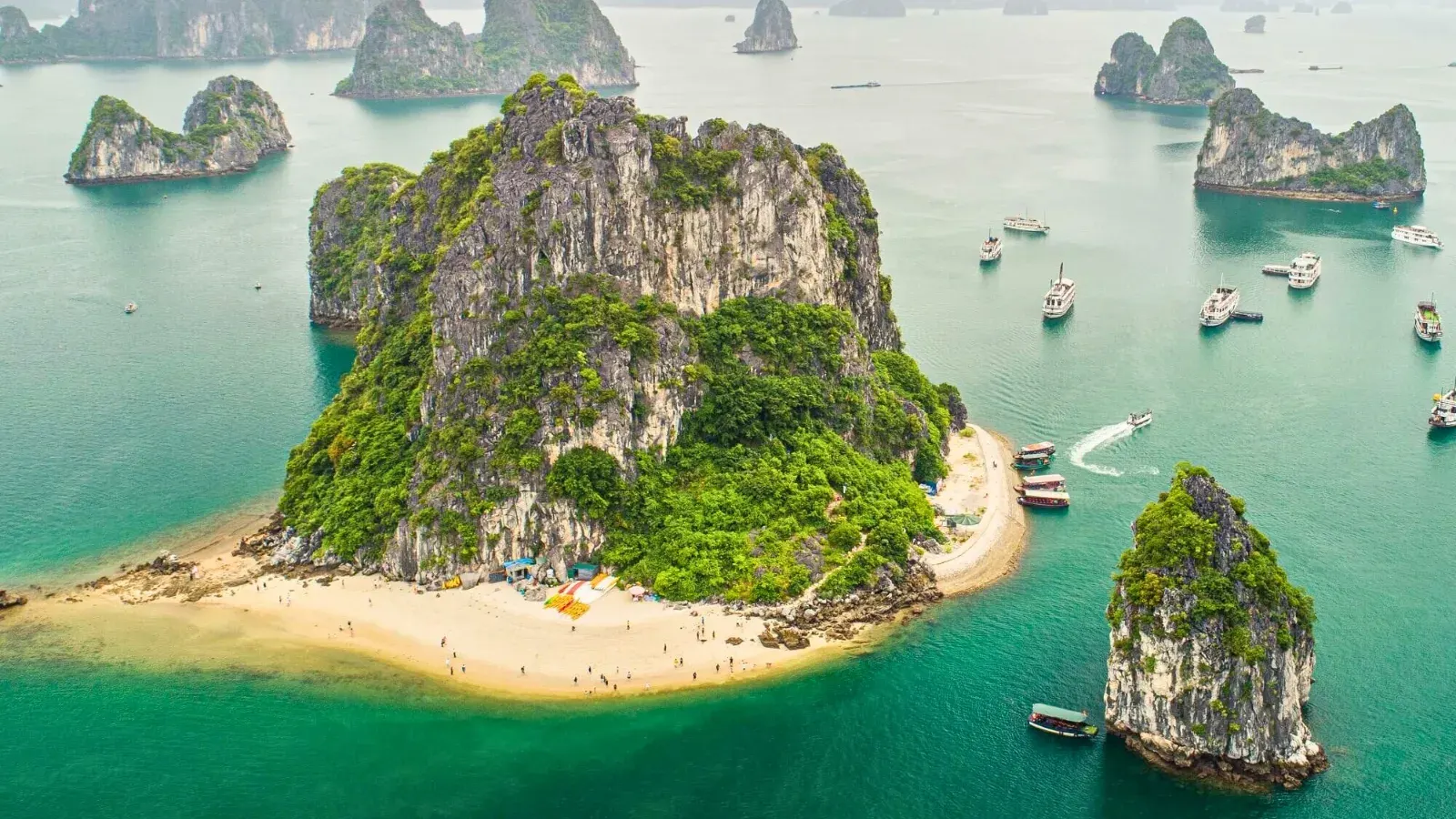
A boat to a bare white sandbank or uninhabited islet for swimming, sunbathing and snorkelling — the quintessential Maldivian castaway experience. In Baa's clear, shallow lagoons, these sandbanks shimmer like mirages and make for unforgettable photos.
Go early before the day heats up. Bring water, a hat and reef-safe sunscreen — there is no shade on a sandbank.
6. Dive Sites & Channels
From $60 per diveDaily⏱ Half to full day
Baa Atoll's outer reefs and channels (kandus) offer world-class diving — manta cleaning stations, drift dives through fish-filled channels, and walls draped in soft coral. Sites like Dhigali Haa and the atoll's thilas attract mantas, sharks, turtles and the occasional whale shark.
Book through your resort or guesthouse dive centre. A try-dive needs no certification; the best visibility is in the dry season.
7. Manta Cleaning Stations
Dive/snorkel trip costDaytime⏱ 2–3 hours
Beyond Hanifaru, Baa Atoll has reef "cleaning stations" where manta rays hover patiently while small cleaner wrasse pick parasites from their skin. Divers and snorkellers can watch these graceful encounters year-round, not just in peak season — a calmer, more intimate alternative to the Hanifaru crowds.
A great year-round manta option when Hanifaru is quiet. Hover still and let the mantas settle over the station.
8. Local Island Culture Walk
Free / guided from $15Daytime⏱ 1–2 hours
A guided walk through one of Baa's inhabited islands reveals everyday Maldivian life — coral-stone mosques, boat-builders, and the artisans famous here for lacquer-work and the intricately woven thundu kunaa mats once reserved for royalty. A grounding cultural counterpoint to the resort and reef experience.
Buy crafts directly from the makers to support the community. Dress modestly and ask before photographing people.
9. Whale Shark Encounter (Seasonal)
Within Hanifaru/snorkel tripSeasonal, tide-dependent⏱ Part of a snorkel excursion
When the plankton is thickest at Hanifaru Bay, the gentle giants of the sea — whale sharks — sometimes join the manta feast, filter-feeding alongside the rays. Sharing the water with the world's largest fish, entirely harmless to humans, is a once-in-a-lifetime Baa Atoll moment.
Whale sharks are a bonus, never guaranteed — peak chances are at the height of manta season (Aug–Oct). Keep a respectful distance.
10. Sunset Dolphin Cruise
$40–$70 per personLate afternoon⏱ 2–3 hours
A traditional dhoni cruise into Baa's channels at dusk, where pods of spinner dolphins ride the bow waves against a blazing Indian Ocean sunset. A relaxed, romantic way to round off a day of snorkelling.
Book the sunset slot and bring a light layer for the breeze. Sightings are common but never guaranteed.
11. Reef Conservation & Coral Planting
Often free / donationBy arrangement⏱ 1–2 hours
As a UNESCO Biosphere Reserve, Baa Atoll takes conservation seriously. Several resorts run marine biology centres, manta research projects and coral-nursery programmes where guests can learn about reef ecology and even help plant coral fragments — a meaningful, hands-on way to give back.
Ask your resort about its marine programme — many offer guest sessions and manta ID with researchers. A great activity for families.
12. Night Snorkel & Bioluminescence
$30–$60 per personAfter dark⏱ 1 hour
On calm nights, Baa's lagoons can glow with bioluminescent plankton — every movement of the water sparks blue-green light. Guided night snorkels also reveal a different cast of reef life: hunting moray eels, sleeping turtles and nocturnal crustaceans.
Bioluminescence is most visible on dark, moonless nights. Go with a guide and a torch, and let your eyes adjust.
All prices are approximate (2026). Confirm with us before booking.
Famous Food in Baa Atoll
In Baa Atoll, food ranges from honest Maldivian home cooking on the local islands to world-class international and fusion menus at the luxury resorts. Either way, the star is the sea — tuna, reef fish and lobster, often caught the same day. Note that alcohol is served only on resort islands and liveaboards, not on the local islands.
1
Fresh seafood
Tuna, reef fish, lobster, prawns and crab — grilled, curried or served as sashimi at the resorts. Sourced from local fishing dhonis, it is about as fresh as seafood gets.
Best at:
2
Mas Huni & Roshi
The classic Maldivian breakfast — shredded smoked tuna with coconut, onion and chilli, eaten with warm roshi flatbread. A staple on every local island and at island-style resort breakfasts.
Best at:
3
Garudhiya (Tuna Broth)
A clear, fragrant tuna soup served with rice, lime and chilli — the comfort food of the atolls, simple and deeply satisfying.
Best at:
4
Mas Riha (Tuna Curry)
A rich Maldivian tuna curry in coconut milk with curry leaves and chilli, served with rice or roshi — aromatic, hearty and a favourite with Indian palates.
Best at:
5
Short Eats (Hedhikaa)
Bajiya, gulha, masroshi and kavaabu — savoury fish-and-coconut snacks eaten with sweet tea. Found at local-island cafés and resort afternoon teas.
Best at:
6
Resort fine dining
Baa's luxury resorts offer everything from Japanese teppanyaki to Italian and modern European cuisine, often with overwater or beach-table settings and Indian options on request.
Best at:
🌿 Vegetarian & Vegan Travelers
Maldivian cuisine is fish-based, but every resort and most guesthouses can cater for vegetarians with advance notice — luxury resorts readily prepare Indian-style vegetarian (paneer, dal, rotis). Pure Jain or vegan diets are best arranged at the time of booking. Watch for hidden Maldive fish (rihaakuru) in traditional local dishes.
Resort restaurants — vegetarian and Indian-style options on request
Guesthouse kitchens on local islands — let them know in advance
Premium resorts — Indian vegetarian (paneer, dal, rotis) with notice
Strict Jain or vegan: please specify at booking — special arrangement needed
🍛
Indian Food Near Baa Atoll
Looking for Indian food?
Dharavandhoo
has 2+ verified Indian restaurants
— dal, paneer, biryani, vegetarian & Jain options covered.
All prices are approximate (2026). Confirm with us before booking.
Markets & Shopping
Eydhafushi Craft Shops
The atoll capital is known for traditional lacquerware and finely woven thundu kunaa mats — buy direct from the artisans for authentic, locally made souvenirs.
Small island shops near the airport selling sarongs, shells, snacks, water and reef-safe sunscreen — handy for guesthouse stays and last-minute supplies.
Hours: Daytime to evening ·
Best for: Souvenirs, snacks, supplies, sunscreen
Resort Boutiques
Luxury resort boutiques stock beachwear, jewellery, books and high-end Maldivian crafts — convenient but pricier than the local islands.
Hours: Resort hours ·
Best for: Beachwear, jewellery, premium gifts
Local Island Fish & Produce
Inhabited islands have small fish markets and produce stalls where the day's catch and island-grown fruit and vegetables are sold. Atmosphere more than shopping.
Hours: Mornings ·
Best for: Fresh fish, fruit, local colour
💡 Bargaining Tips
What to Buy
Nightlife in Baa Atoll
Baa Atoll is about nature and tranquillity, not nightlife. On local islands there is no alcohol and evenings are low-key — cafés, beach walks and stargazing. On resort islands, the evening means sunset cocktails, fine dining and the occasional beach event under a brilliant night sky.
Sunset Cocktails (Resorts)
Watching the sun melt into the Indian Ocean from a resort beach bar or overwater deck, drink in hand, is Baa Atoll's signature evening. Available on resort islands and liveaboards only.
Serene, romantic, resort-only
Stargazing from the Beach
With almost no light pollution, Baa's night skies are extraordinary. Many resorts run astronomy sessions; on local islands, just lie back on the sand and look up.
Quiet, contemplative, free
Bioluminescent Lagoon
On dark nights the water can glow with bioluminescent plankton — a magical, otherworldly evening swim or beach walk.
Magical, natural, seasonal
Beach Dinner & Barbecue
Resorts lay on beachfront seafood barbecues and private sandbank dinners under the stars — the most romantic dining the atoll offers.
Romantic, gourmet, resort-only
Local-Island Tea Shops
On Dharavandhoo and Eydhafushi, the evening "night out" is a hotaa tea shop — sweet tea, short eats and conversation. Friendly, cheap and entirely alcohol-free.
Authentic, casual, alcohol-free
Note for Indian travelers: If you want a drink in the evening, choose a resort island or a liveaboard — alcohol is not available on the local islands of Baa Atoll. Guesthouse stays on Dharavandhoo are alcohol-free but very safe and friendly, with the bonus of cheaper Hanifaru access. Many travellers combine a guesthouse stay for the mantas with a resort night for the cocktails.
Day Trips & Nearby
Baa Atoll's greatest strength as a base is its extraordinary day-trip range. Within a few hours you can be on a UNESCO bay, in a misty mountain village, or gliding through limestone canyons by rowing boat.
Malé
~35 min by domestic flight
1–2 nights before or after
The Maldives' capital, and the gateway to Baa Atoll. Coral-stone mosques, the fish market, Sultan Park and the National Museum — a worthwhile culture stop on the way through.
The signature excursion — a ranger-supervised snorkel with feeding manta rays (and seasonally whale sharks) in the protected bay. The single best reason to visit Baa.
Dharavandhoo & Eydhafushi Islands
Within Baa Atoll
Half to full day
Local-island life on the atoll capital and the airport island — coral mosques, craft workshops, bikini beaches and friendly guesthouses. A grounding cultural contrast to the resorts.
North Malé Atoll
Short flight / speedboat via Malé
Day trip or overnight
The resort-and-dive belt near the capital — famous sites like Banana Reef and HP Reef. An easy add-on at the start or end of a Baa trip.
For year-round whale sharks, pair Baa's seasonal mantas with South Ari Atoll, where whale sharks cruise the reef edge all year. The ultimate Maldives big-animal combination.
Baa Atoll's neighborhoods each have a distinct personality. Choosing the right base changes the texture of your entire trip.
Luxury Resort Island (recommended for honeymooners) Recommended
Baa is home to some of the Maldives' finest resorts — overwater villas, private house reefs, spas and seaplane access. The full barefoot-luxury experience, with alcohol, fine dining and in-house Hanifaru excursions. Luxury overwater $800–$3,000/night.
Best for: Honeymooners, luxury seekers, divers, the classic Maldives ·
Noise: Very low — just water and birds
Mid-range Resort
Comfortable beach-villa resorts with dive centres, house reefs and full board — the balanced choice for couples and families wanting resort comforts without the top-tier price. Around $250–$500/night.
Best for: Couples, families, balanced budgets ·
Noise: Low
Dharavandhoo Guesthouse (best Hanifaru value)
Local-island guesthouses on the airport island — friendly, affordable and the most convenient base for repeat Hanifaru attempts. Alcohol-free, with a tourist bikini beach. Around $50–$150/night.
Best for: Budget travellers, manta-chasers, cultural experience ·
Noise: Low
Liveaboard Safari
For divers wanting the most reefs in the time available, a liveaboard cruising Baa and the central atolls is ideal — diving from the boat, often prioritising manta season. Per-itinerary pricing.
Best for: Serious divers, multi-atoll explorers ·
Noise: Low
Our recommendation: For a honeymoon or special trip, stay on a Baa Atoll luxury resort island with seaplane access and in-house Hanifaru excursions. For the best manta value, base yourself in a Dharavandhoo guesthouse and make several Hanifaru attempts on different tides. Many travellers combine both — a guesthouse for the mantas, a resort night for the luxury.
Getting Around Baa Atoll
Mode
Cost
Best For
Tips
Resort speedboat / dhoni (main transport)
Included or per excursion
All island and reef trips — your resort or guesthouse handles the logistics
No navigation needed. Boats run on a schedule to Hanifaru, reefs and sandbanks.
Domestic flight (to/from Malé)
$120–$250/person
Malé–Dharavandhoo transfer (recommended)
About 35 minutes from Velana airport, then a speedboat onward. Included in our packages.
Seaplane
$350–$550/person
Luxury travellers, honeymooners
Direct to resort lagoons, daylight only. Spectacular aerial views of the atolls.
Public ferry
$2–$5
Budget travel between local islands
Slow, scheduled government ferries link inhabited islands. Cheapest but least flexible.
Bicycle / on foot (local islands)
Free–$5/day
Exploring Dharavandhoo or Eydhafushi
Local islands are small — walk or cycle to see the village, harbour and bikini beach.
All prices are approximate (2026). Confirm with us before booking.
Suggested Itineraries
Whether you have a weekend or a week, here are tried-and-tested day-by-day plans for Baa Atoll and the surrounding region.
Ready to plan your Baa Atoll trip?
Tell us your travel dates and we'll build a personalised itinerary with hotels, transfers, and experiences — at no extra cost.
The Hanifaru Bay aggregation peaks May–November, opposite to the dry-season "best weather". If mantas are your priority, travel in manta season and accept some rain. Shoulder months (May, October–November) balance both.
Stay a few nights for better odds
Hanifaru sightings depend on tides and the rangers' daily call. Staying in Baa for several nights lets you try more than once — hugely improving your chances of a great manta day.
Hanifaru is snorkel-only
No scuba diving is allowed in the protected bay — it is a snorkelling marine park with capped numbers. Be a confident snorkeller and bring (or rent) good gear; the rays come close to the surface.
Visa on arrival, free
Indians get a free 30-day visa on arrival — no fee, no application. Carry a passport valid 6+ months, a confirmed booking and a return ticket, and complete the IMUGA online arrival card before flying.
USD and Rufiyaa
Resorts price in US dollars and accept cards; the local currency is the Rufiyaa (MVR). Carry small USD for tips, local-island shops and excursions.
Vegetarian with notice
Resorts and guesthouses cater for vegetarians with advance notice; luxury resorts do Indian-style veg (paneer, dal, rotis). Watch for hidden Maldive fish in local dishes. Flag strict Jain or vegan needs at booking.
Alcohol on resorts only
Alcohol is served only on resort islands and liveaboards, not on the local islands (Dharavandhoo, Eydhafushi). Do not pack alcohol — it is confiscated at the airport.
Modest dress on local islands
On inhabited islands, cover shoulders and knees in the village; swimwear is only for the marked bikini beach. On private resort islands, normal beachwear is fine everywhere.
Reef-safe sunscreen
Use reef-safe SPF 50+ to protect the corals of this Biosphere Reserve, plus a rash guard and hat. Reapply after swimming.
Photography
A waterproof camera or GoPro is a must for Hanifaru. Keep your distance from the mantas, never touch them, and don't use flash. Early light gives the best clarity.
Stay hydrated
The equatorial heat and saltwater days dehydrate you fast. Drink plenty of bottled/filtered water; resorts supply it in villas.
Honeymoon perks
Mention honeymoons at booking — many Baa resorts include flowers, cake, a private sandbank dinner or a spa treatment. We arrange these for our guests.
Very safe
Baa Atoll is extremely safe, with reputable, licensed operators and strict marine-park rules. The main considerations are sun, currents and respecting the wildlife — listen to your guides and rangers.
Common questions from Indian travelers planning a Baa Atoll trip.
How many days do I need for Baa Atoll?
Three to five nights is ideal. Staying several nights lets you make multiple Hanifaru Bay attempts on different tides — important, since manta sightings depend on conditions — and leaves time for diving, sandbanks and island life. A one-night taster is possible but rushed.
When can I see manta rays at Hanifaru Bay?
The aggregation runs roughly May to November, peaking around the full and new moons from June to October, when plankton-rich currents fill the bay. Whale sharks sometimes join at the height of the season (August–October). Outside these months, you can still see mantas year-round at the atoll's reef cleaning stations.
Is Baa Atoll worth visiting from India?
Absolutely — it is one of the planet's great marine-wildlife destinations and a UNESCO Biosphere Reserve. Snorkelling above dozens of feeding manta rays at Hanifaru Bay is a genuine bucket-list experience, paired with world-class diving and some of the Maldives' finest luxury resorts.
How much does a Baa Atoll trip cost from India?
It depends on style. Local-island guesthouses on Dharavandhoo run about $50–$150 a night, mid-range resorts $250–$500, and luxury overwater villas $800–$3,000. Add the Malé–Dharavandhoo domestic flight ($120–$250) and Hanifaru excursion fees. Contact us for a tailored quote including flights and transfers.
Is Baa Atoll safe for Indian travellers?
Very safe. Operators are licensed, Hanifaru is ranger-managed with strict rules, and life jackets and guides are standard on excursions. The main considerations are the sun, ocean currents and respecting the wildlife. Listen to your guides and the bay rangers.
How do I get to Baa Atoll from Malé?
A short domestic flight (about 35 minutes) from Velana International Airport to Dharavandhoo, then a speedboat to your island. Luxury resorts can also be reached by a scenic seaplane direct from Malé (daylight only). We arrange the whole transfer door-to-door.
Should I stay on a resort or a local island?
Both work. Luxury and mid-range resorts offer overwater villas, alcohol, fine dining and in-house Hanifaru excursions — ideal for honeymoons. Dharavandhoo guesthouses are far cheaper, alcohol-free and the most convenient base for repeat Hanifaru attempts. Many travellers combine a guesthouse for the mantas with a resort night for the luxury.
Are manta sightings guaranteed at Hanifaru?
No — they depend on tides, currents and plankton, and the bay is only opened when conditions are right. That is exactly why we recommend a multi-night stay, so you can try on several tides. In peak season the odds are very good, but nothing in the wild is certain.
Is Baa Atoll vegetarian-friendly?
Yes, with notice. All resorts and most guesthouses cater for vegetarians, and luxury resorts prepare Indian-style vegetarian (paneer, dal, rotis) on request. Maldivian dishes are fish-based, so ask about hidden Maldive fish. Flag strict Jain or vegan diets when booking.
Can children visit Baa Atoll?
Yes. Many resorts are family-friendly with kids' clubs and gentle snorkelling, and children who can snorkel confidently can join the Hanifaru trips. The marine-biology and coral-planting programmes are excellent for families. Tell us your group and we'll match the right island.
Do I need a separate permit for Baa Atoll or Hanifaru?
Your free Maldives visa on arrival covers the whole country, including Baa Atoll. Hanifaru Bay is a protected marine park with a small entry fee (around $20), usually included in your excursion price — no separate permit to arrange yourself.
What should I pack for Baa Atoll?
Swimwear and a rash guard, reef-safe sunscreen, a sun hat and sunglasses, a waterproof camera for the mantas, your own mask and snorkel if you prefer, light clothing (modest for local islands), and any prescription medication. A light layer is handy for evening boat rides.
Ready to book your Baa Atoll holiday?
Our Maldives specialists build complete itineraries — hotels, transfers, guided tours, and e-visa help — with costs quoted in your home currency. Trusted by thousands of Indian travelers.