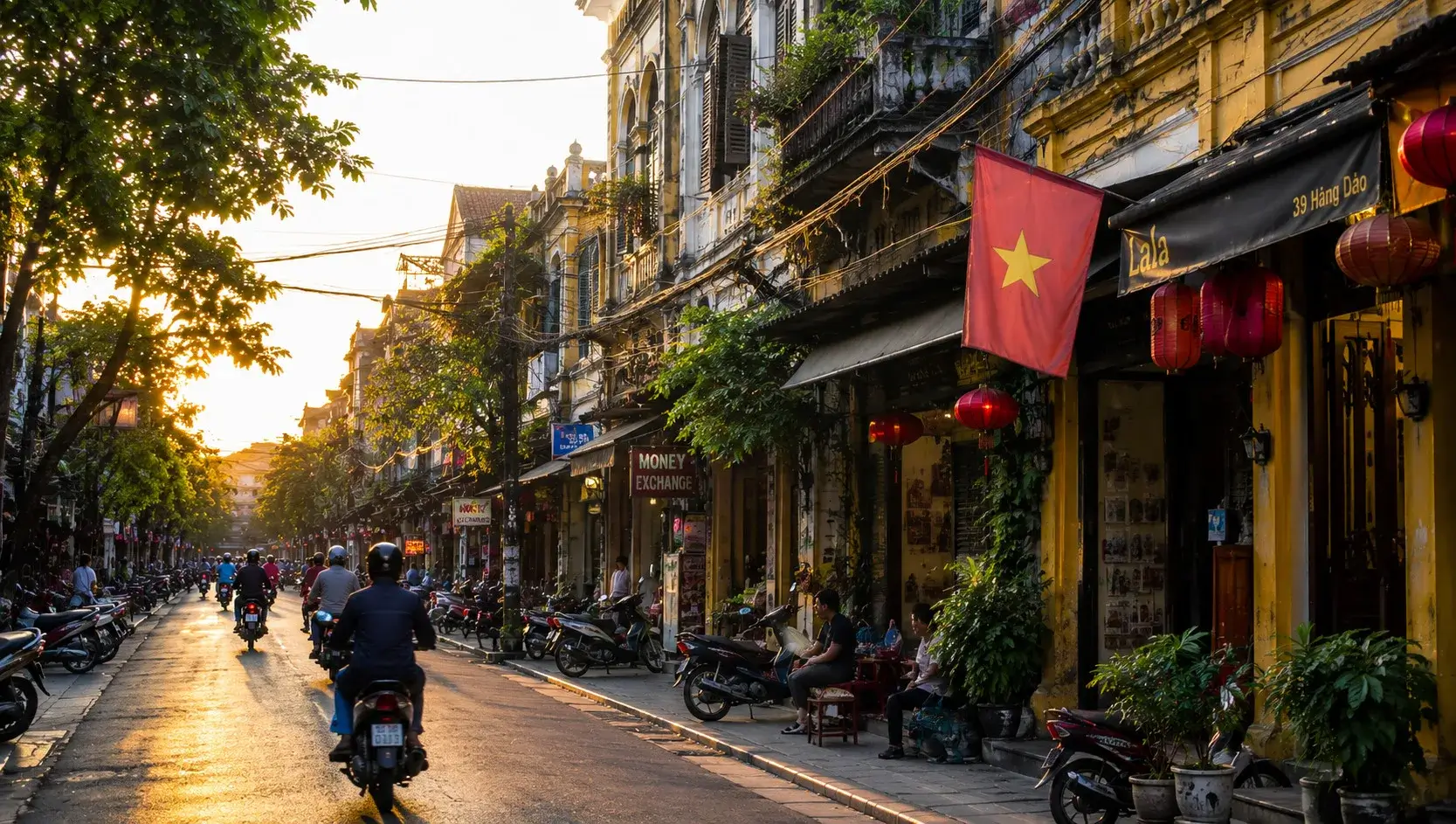
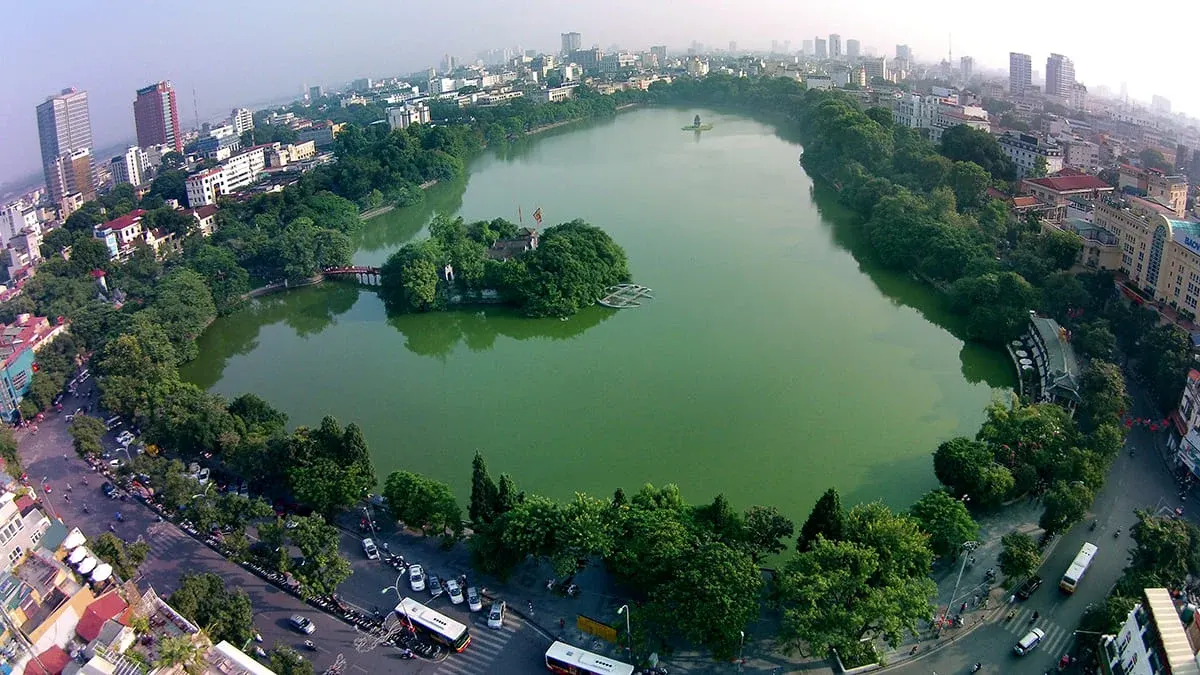
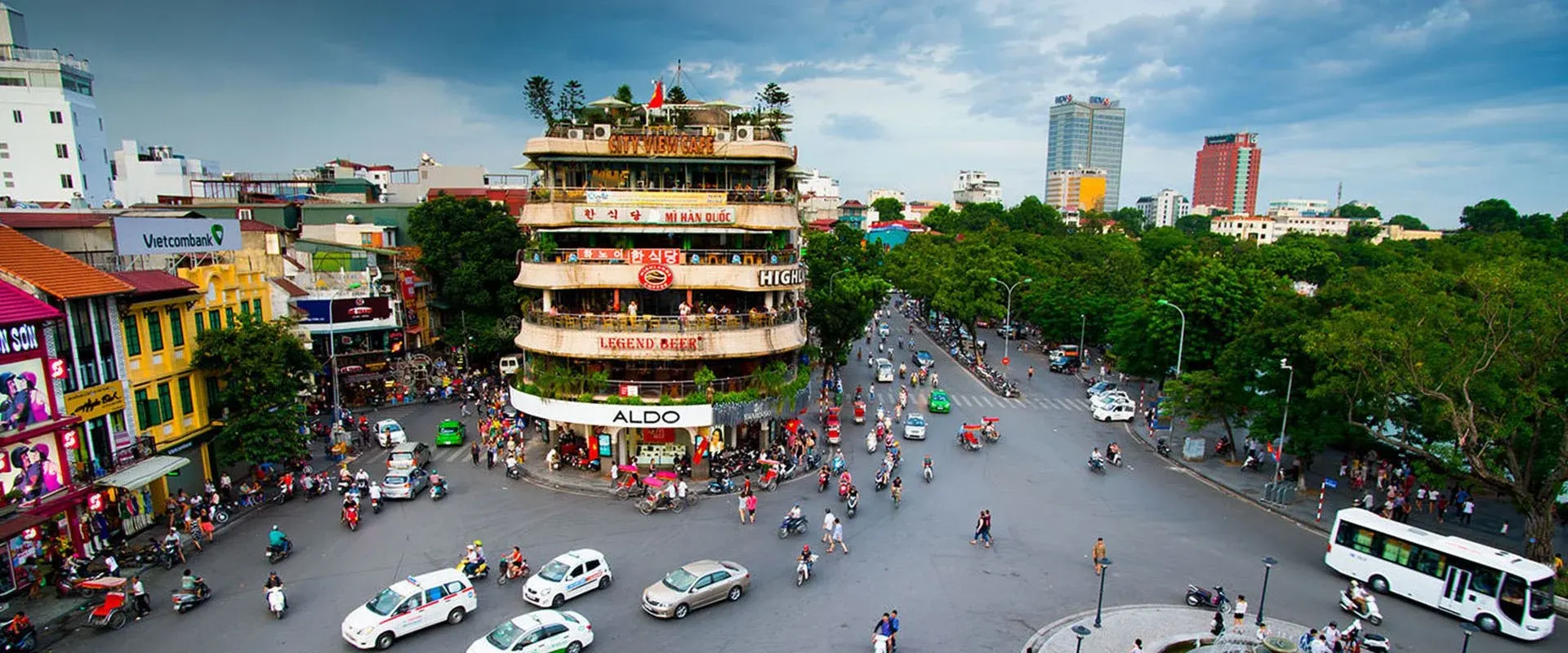
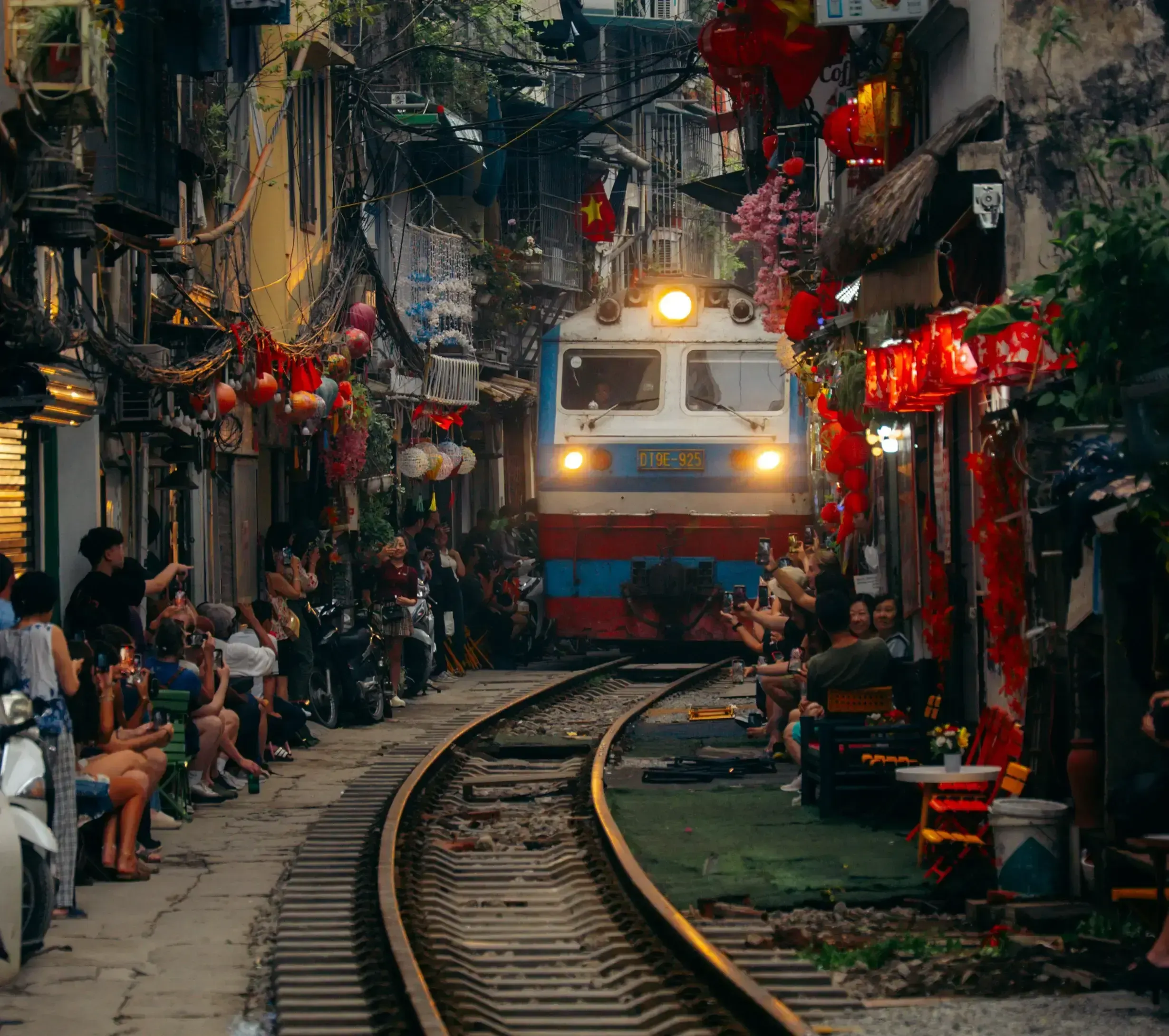
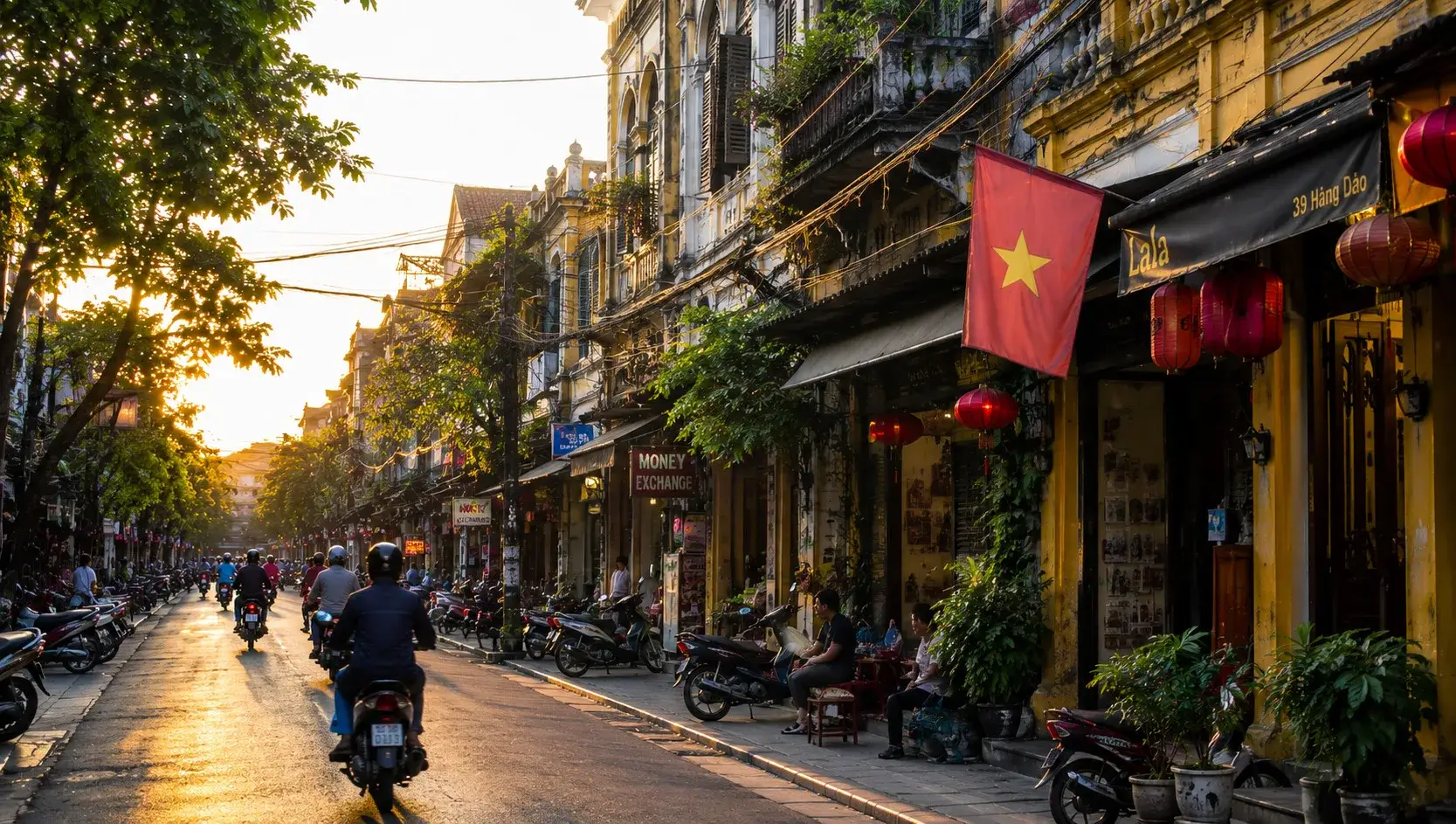
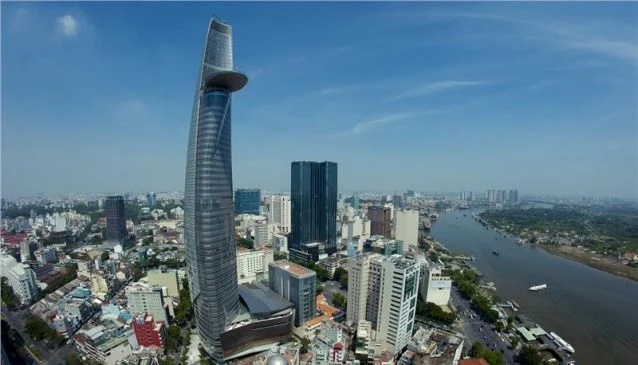
Malé is the Maldives' capital and its beating heart — one of the most densely populated cities in the world, with more than a hundred thousand people, a forest of colourful tower blocks and a harbour full of dhonis squeezed onto an island barely two kilometres long. It is unlike anywhere else in the Maldives: no resort calm here, but real island life — scooters weaving through narrow lanes, the call to prayer echoing from coral-stone mosques, and a fish market where the morning's tuna catch is laid out on tiled slabs. Most visitors only glimpse it from the airport, but a half-day in Malé is the truest window into Maldivian culture you will find.
For Indian travellers, Malé is usually the first touchpoint of a Maldives holiday — Velana International Airport sits on the neighbouring island of Hulhulé, just a short boat or bridge ride away. The pace is faster than the resorts and the atmosphere is genuinely local: this is an inhabited island, so modest dress is the norm, alcohol is not sold (it is served only on resort islands and liveaboards), and the food is honest Maldivian home cooking — smoked tuna, coconut, chilli and roshi flatbread. Indian visitors feel quickly at home: there is a strong shared culinary thread, plenty of South Asian eateries, and English is spoken almost everywhere.
Most travellers spend half a day or a single night here, either side of a resort stay, but Malé rewards the curious. The longer you wander, the more you find — the whitewashed Hukuru Miskiy with its intricately carved coral stone, the leafy calm of Sultan Park, the bustle of Republic Square at dusk, and tiny cafés serving short eats and sweet tea. This guide covers everything you need: what to see, when to go, how to get there, what to eat, where to stay, and how to make the most of every rupee you spend.
Best Time to Visit Malé
The Maldives has two monsoon seasons rather than four. The dry north-east monsoon (Iruvai), roughly November to April, brings calm seas, clear skies and bright sunshine — peak season. The wet south-west monsoon (Hulhangu), May to October, brings warmer, more humid days with passing showers. Temperatures stay a steady 26–31°C all year.
For Indian travelers: Best months for Indian travellers: November to April. Calm, sunny, low humidity, superb visibility for snorkelling and diving. Avoid the wettest stretch (June–August) if you want guaranteed sunshine, though showers are usually brief and the islands stay warm year-round.
Month
High °C
Low °C
Rainfall
Notes
JanIdeal
30°
25°
Low
Peak season — dry, sunny, calm seas. Ideal.
FebIdeal
31°
25°
Low
Driest month. Superb visibility underwater.
MarIdeal
31°
26°
Low
Hot, dry and bright. Excellent all round.
AprIdeal
31°
26°
Medium
Warmest month; first pre-monsoon showers possible.
May
31°
26°
High
Wet monsoon begins. Humid, occasional storms.
Jun
30°
25°
High
Wettest stretch. Warm with frequent showers.
Jul
30°
25°
High
Wet and breezy. Good value, plankton-rich seas.
Aug
30°
25°
High
Still wet. Manta season peaks in nearby atolls.
Sep
30°
25°
Medium
Showers easing. Quieter, cheaper period.
Oct
30°
25°
Medium
Transition month. Improving as the dry season nears.
NovIdeal
30°
25°
Low
Dry season returns. Calm seas, clear skies.
DecIdeal
30°
25°
Low
Peak season. Festive, busy and beautiful.
All temperature ranges are approximate. Malé's weather can vary year to year.
How to Reach Malé from India
Fly into Velana International Airport (Hulhulé island)
(MLE).
The Maldives is easy to reach from India — direct flights run to Velana International (MLE) from Delhi, Mumbai, Bengaluru, Cochin, Chennai and Hyderabad, taking just 3.5–4.5 hours. The airport sits on Hulhulé island, a few minutes by ferry, speedboat or the Sinamalé Bridge from central Malé.
Flight Routes
Delhi (DEL)
via Direct
IndiGo, Air India, SpiceJet
Total: ~4–4.5 hrs
Mumbai (BOM)
via Direct
IndiGo, Air India, Vistara
Total: ~3.5–4 hrs
Bangalore / Hyderabad / Chennai
via Direct or 1 stop
IndiGo, Air India Express
Total: ~3–3.5 hrs
Kochi (COK)
via Direct
IndiGo, Air India Express
Total: ~1.5–2 hrs
Typical fare: ₹14,000–₹35,000 economy round trip (2026 estimates). Book early for the November–April peak season.
Airport to City Transfers
Mode
Cost (approx.)
Time
Notes
Speedboat / hotel pickup
$15–$30
10–15 min
We arrange for all guests. Quickest way across to Malé or onward.
Airport taxi via bridge
$10–$20
15 min
Crosses the Sinamalé Bridge to central Malé. Reliable.
Public ferry (MTCC)
$1–$2
15 min
Frequent local ferry from the airport to Malé. Cheapest option.
Visa: Free 30-day visa on arrival for all nationalities, including Indians — no application, no fee. You need a passport valid for at least 6 months, a confirmed hotel/resort booking and a return ticket. Complete the IMUGA online arrival card before you fly.
Featured Malé Packages
We're updating our Malé packages. Contact us for a custom itinerary.
Top Attractions in Malé
1. Hukuru Miskiy (Old Friday Mosque)
Free (permission required to enter)Outside prayer times⏱ 45 min – 1 hour
Built in 1658 from carved coral stone, Hukuru Miskiy is the Maldives' oldest and most beautiful mosque — a masterpiece of Maldivian craftsmanship. Intricate lacquerwork, fine Arabic and Dhivehi inscriptions and an adjoining minaret and coral-stone cemetery make it the country's most significant heritage site, on the UNESCO tentative list. The whole structure is assembled from interlocking coral blocks with no mortar.
Photography of the exterior is fine; ask the caretaker before entering. Dress modestly — long sleeves and trousers, headscarf for women. Closed to visitors during the five daily prayers.
2. Malé Fish Market
FreeBusiest mid-afternoon to evening⏱ 1 hour
The fish market on the northern waterfront is the most authentic slice of Malé life. Each afternoon, dhonis unload the day's catch — skipjack and yellowfin tuna, reef fish, mahi-mahi — and fishermen gut, clean and sell straight from tiled slabs. The energy, the smell of the sea and the rows of glistening tuna are unforgettable. Tuna is the backbone of the Maldivian economy and diet, and this is where it all begins.
Go in the late afternoon when the boats come in. Watch the deft filleting; the adjacent local market sells produce, coconuts and dried fish. Wear sandals you don't mind getting wet.
3. Sultan Park & National Museum
Park free; museum ~$8Museum 10:00 AM – 4:00 PM (closed Fri morning)⏱ 1.5 hours
Sultan Park is a rare patch of green in dense Malé — leafy lawns, frangipani trees and shaded benches on the grounds of the former royal palace. Within it stands the National Museum, housing royal thrones, palanquins, ceremonial dress, antique weapons and pre-Islamic Buddhist coral relics that trace the islands' deep history from Buddhist kingdom to Islamic sultanate to modern republic.
The museum is compact — an hour is plenty. The park is a lovely, cool spot to pause between sights. Some pre-Islamic relics were lost in 2012, but the surviving collection is well worth seeing.
4. Islamic Centre & Grand Friday Mosque
Free9:00 AM – 5:00 PM outside prayer (non-Muslims, with permission)⏱ 45 minutes
Crowned by a striking golden dome and a tall white minaret visible from across the harbour, the Islamic Centre houses the Grand Friday Mosque — the largest in the Maldives, able to hold over five thousand worshippers. The interior is decorated with fine wood carving, Arabic calligraphy and Maldivian lacquer art. It is the spiritual landmark of the capital and a symbol of the nation's Islamic identity.
Non-Muslim visitors are usually welcome outside prayer times — ask at the entrance. Strict modest dress required. The golden dome is at its most photogenic in the late-afternoon light.
5. Republic Square (Jumhooree Maidan)
FreeAlways open⏱ 30 minutes
The civic heart of Malé, Republic Square is an open plaza on the waterfront beside the main jetty, dominated by a giant national flag. Flanked by government buildings, the police headquarters and grand fountains, it is where locals gather at dusk, children chase the resident pigeons, and ferries come and go. A short walk connects it to the fish market, the mosques and the harbour.
Best at sunset when families come out and the flag catches the breeze. A natural starting point for a walking tour of the capital.
6. Tsunami Monument
FreeAlways open⏱ 20 minutes
On the south-eastern waterfront stands this striking modern memorial to the victims of the 2004 Indian Ocean tsunami — a tall steel sculpture of swirling stars and metal spheres, surrounded by plaques bearing the names of those lost. It is a quiet, reflective spot and a reminder of how vulnerable these low-lying islands are to the sea.
A pleasant walk along the artificial beach and breakwater leads here. Good place to watch the sunrise over the eastern reef.
7. Rasfannu Artificial Beach
FreeDaytime; busiest at sunset⏱ 1–2 hours
Since Malé itself has no natural beach, the city built one. Rasfannu, on the western breakwater, is a sheltered swimming spot with cafés and food stalls behind it. It is where Malé residents come to swim, picnic and watch the sunset. Remember this is an inhabited island — swimwear should be modest (shorts and T-shirt over a costume for women is the norm).
Sunset here is excellent and very local. The food stalls behind the beach serve cheap, tasty short eats and tea.
8. Mulee-aage (Presidential Palace)
Free (exterior only)Exterior viewing any time⏱ 20 minutes
Built in 1919 in an elegant colonial style, Mulee-aage was once a sultan's residence and today serves as the official residence of the President of the Maldives. Its ornamental gates, manicured frontage and pastel facade make it one of the capital's prettiest buildings. It sits directly opposite Hukuru Miskiy, so the two are easily combined.
You can only view it from outside, but it photographs beautifully. Pair it with the Old Friday Mosque next door.
9. Malé Local Market (Maaru Bazaar)
Free8:00 AM – 9:00 PM⏱ 45 minutes
Beside the fish market, the local produce market is a maze of narrow stalls piled with coconuts, bananas, breadfruit, betel leaf, dried tuna (valhomas), bundles of chillies and island-grown vegetables brought in by dhoni from the outer atolls. It is the best place to see what Maldivians actually cook with and to buy authentic local snacks and spices.
Try a bag of dried tuna or local sweets. Vendors are friendly and prices are fair — gentle bargaining is fine but not aggressive.
10. Sinamalé (Friendship) Bridge Viewpoint
FreeAlways open⏱ 30 minutes
The 2.1 km Sinamalé Bridge — also called the China–Maldives Friendship Bridge — connects Malé to the airport island of Hulhulé and on to Hulhumalé. It transformed daily life in the capital, allowing cars and scooters to cross what was once a boat-only channel. The eastern waterfront beside it is a popular evening promenade with views of the bridge and the open sea.
Lovely at sunset and after dark when the bridge is lit. The promenade is a relaxed spot for an evening stroll and street food.
11. Villingili Island Day Trip
Ferry ~$1Ferries run regularly through the day⏱ Half day
A short public ferry from central Malé, Villingili (Vilimalé) is a quieter residential island with a relaxed, green, almost village feel — and an actual sandy beach. It offers a complete change of pace from the capital's density: bicycles instead of scooters, shady lanes and a swimming area. A perfect half-day escape if you have time to spare in Malé.
Combine the ferry hop with a swim and a snack at a local café. Modest swimwear applies as it is an inhabited island.
12. Muleeaage & Medhu Ziyaaraiy Shrine
FreeDaylight hours⏱ 20 minutes
Beside Hukuru Miskiy stands the small blue-domed Medhu Ziyaaraiy, the shrine of Abul Barakaath Yousuf Al Barbary — the traveller credited with bringing Islam to the Maldives in 1153. It is a modest but historically pivotal monument that marks the moment the islands converted from Buddhism to Islam, shaping everything about Maldivian culture today.
Right next to the Old Friday Mosque and Mulee-aage — see all three together in one easy loop.
13. Artificial Beach Food Street (Evening)
FreeBest 5:00 PM – 11:00 PM⏱ 1–2 hours
In the evenings, the area around the artificial beach on Malé's eastern shore becomes the city's social hub — cafés, juice bars and stalls serving short eats (hedhikaa), grilled fish, hot tea and fresh coconut. Families gather, kids play and the sea breeze takes the edge off the day's heat. It is the closest Malé comes to a night-out scene (alcohol-free, as on all inhabited islands).
Try a plate of mixed short eats — bajiya, gulha, masroshi — with sweet milk tea. Cash in MVR or small USD notes works best at the stalls.
14. Maldives National Art Gallery
Free / small fee for special shows10:00 AM – 4:00 PM (closed Fridays)⏱ 45 minutes
Tucked near Sultan Park, the National Art Gallery showcases contemporary Maldivian art and hosts rotating exhibitions, including the country's flagship Kalaafaanu visual arts events. It is a quiet, air-conditioned space to discover how modern Maldivian artists interpret island identity, the ocean and climate change.
Check what is currently showing before you go — it is exhibition-led rather than a permanent collection. Easily combined with Sultan Park and the museum.
All prices are approximate (2026). Confirm with us before booking.
Famous Food in Malé
Malé is the best place in the Maldives to eat genuine local food — honest, fish-forward Maldivian home cooking built around tuna, coconut and chilli, alongside cafés serving the country's beloved "short eats". It is subtler and spicier than resort buffets, and for Indian travellers there is plenty of familiar comfort too. Note that, as on all inhabited islands, no alcohol is served in Malé.
1
Mas Huni$2–$4
The classic Maldivian breakfast — shredded smoked tuna tossed with grated coconut, finely chopped onion, chilli and lime, scooped up with warm roshi flatbread. Fresh, savoury and the truest taste of the islands.
Best at: Local cafés and "hotaa" tea shops across the city
2
Garudhiya$3–$5
A clear, fragrant tuna broth served with steamed rice, lime, chilli and onion on the side. The quintessential Maldivian comfort meal — simple, light and deeply satisfying.
Best at: Traditional local restaurants near the markets
3
Short Eats (Hedhikaa)$0.30–$1 each
The Maldivian snack tradition — bajiya (fish-filled pastry triangles), gulha (fried tuna-and-coconut dumplings), masroshi (tuna-stuffed flatbread) and kavaabu (fried fish-and-lentil balls), eaten with sweet milk tea.
Best at: Any tea shop; the artificial beach food stalls in the evening
4
Mas Riha (Tuna Curry)$4–$7
A rich Maldivian fish curry of tuna simmered in coconut milk with curry leaves, chilli and spices, served with rice or roshi. Hearty, aromatic and a favourite that Indian palates take to instantly.
Best at: Local sit-down restaurants in the city centre
5
Roshi & Rihaakuru$2–$4
Thin unleavened roshi flatbread paired with rihaakuru — a thick, salty brown tuna paste that is the umami soul of Maldivian cooking, eaten with rice, chilli and onion.
Best at: Traditional hotaa cafés
6
Fihunu Mas (Grilled Reef Fish)$5–$10
Whole reef fish or tuna steaks marinated in a fiery chilli paste and grilled over coals — smoky, spicy and served with rice and a squeeze of lime. Best straight off the grill in the evening.
Best at: Evening grills and waterfront eateries
7
Saagu Bondibai$2–$3
A sweet, warming Maldivian dessert pudding of sago pearls cooked in coconut milk and sugar, sometimes scented with rosewater. The classic finish to a local meal.
Best at: Tea shops and local restaurants
8
Dhonkeyo Kajuru (Banana Fritters)$1–$2
Deep-fried sweet banana fritters, crisp outside and soft within — a beloved short-eat sweet that pairs perfectly with an afternoon cup of tea.
Best at: Cafés and the evening food stalls
9
Maldivian Tea (Sai)$0.50–$1
Strong black tea with sweetened condensed milk, the social lubricant of every Maldivian tea shop. Order it with a plate of short eats and watch island life go by.
Best at: Any hotaa or café in the city
🌿 Vegetarian & Vegan Travelers
Maldivian cuisine is overwhelmingly fish-based — tuna and dried fish appear in almost everything, often invisibly. Pure vegetarians and vegans need to ask specifically. The good news for Indian travellers: Malé has several genuine Indian and South Asian restaurants offering reliable pure-veg thalis, dosas and curries, plus cafés serving vegetable rolls and fruit. Rihaakuru and Maldive fish are the things to watch for.
Indian restaurants in the city centre — reliable pure-veg thalis and dosas
Café-bakeries serving vegetable short eats, salads and fruit juices
Symphony / hotel restaurants — international menus with vegetarian options
Local fruit and produce markets for fresh tropical fruit
🍛
Indian Food Near Malé
Looking for Indian food?
Malé
has 12+ verified Indian restaurants
— dal, paneer, biryani, vegetarian & Jain options covered.
All prices are approximate (2026). Confirm with us before booking.
Markets & Shopping
Malé Fish Market
The most authentic spot in the capital — the day's tuna catch unloaded, cleaned and sold straight from the dhonis each afternoon. More an experience than a shop, but unmissable.
Hours: Busiest mid-afternoon to evening ·
Best for: Atmosphere, photography, fresh fish, local life
Local Produce Market (Maaru Bazaar)
Rows of stalls selling coconuts, fruit, vegetables, betel, chillies and dried tuna brought in from the outer atolls. The pantry of Malé.
Hours: 8:00 AM – 9:00 PM ·
Best for: Dried fish, spices, coconuts, local snacks
Majeedhee Magu
Malé's main shopping street, running the length of the island — clothing, electronics, phones, fabric, household goods and souvenir shops. Busy, fluorescent and thoroughly local.
Hours: 9:00 AM – 11:00 PM ·
Best for: Clothing, electronics, everyday shopping
Chaandhanee Magu (Singapore Bazaar)
The capital's souvenir street, lined with shops selling lacquerware, carved wooden dhonis, sarongs, shells, T-shirts and Maldivian handicrafts. The best place for gifts before you fly home.
Hours: 9:00 AM – 10:00 PM ·
Best for: Souvenirs, handicrafts, lacquerware, gifts
STO Trade Centre & Supermarkets
Modern multi-storey shopping for groceries, snacks, sunscreen, toiletries and supplies before a resort or liveaboard stay. Air-conditioned and fixed-price.
Hours: 9:00 AM – 10:00 PM ·
Best for: Supplies, snacks, sunscreen, fixed-price shopping
Evening Waterfront Stalls
Pop-up food and snack stalls along the eastern waterfront and artificial beach each evening — the city's social scene, perfect for short eats and tea rather than serious shopping.
Hours: Evenings ·
Best for: Street food, evening atmosphere
💡 Bargaining Tips
Malé is mostly fixed-price — prices in shops and supermarkets are set. Souvenir shops on Chaandhanee Magu allow gentle, friendly bargaining; aim for around 10–20% off the first price, and always with a smile. Markets for produce and dried fish are fairly priced; haggle lightly if at all. USD and MVR are both accepted; cards work in larger shops.
What to Buy
Lacquerware boxes and vases (a Maldivian craft), hand-carved miniature dhonis, woven coconut-frond mats, sarongs and feyli, sea-shell and pearl jewellery, dried tuna (valhomas) and local sweets, Maldivian fish paste (rihaakuru) sealed for travel, and locally roasted coffee or tea.
Nightlife in Malé
Malé is an inhabited island in a Muslim country, so there are no bars or clubs and no alcohol — that is reserved for resort islands and liveaboards. Evening life instead revolves around cafés, the waterfront, food stalls and family promenades. It is gentle, social and entirely alcohol-free, and surprisingly pleasant once the heat of the day fades.
Artificial Beach Food Street
The liveliest evening spot in Malé — cafés, juice bars and short-eat stalls behind the eastern beach, packed with families and friends. Grilled fish, sweet tea, fresh coconut and sea breeze.
Lively, family-friendly, alcohol-free, cheap
Eastern Waterfront Promenade
The seafront walk past the Tsunami Monument and Sinamalé Bridge fills with evening strollers, joggers and couples. Cool breezes and lit bridge views make it the nicest after-dark walk in the city.
Relaxed, scenic, romantic, free
Rooftop Café-Lounges
Several hotels and modern cafés in Malé run rooftop terraces serving mocktails, coffee, shisha and light bites with views over the rooftops and harbour. The closest thing to a "bar" scene — minus the alcohol.
Modern, mocktails & coffee, rooftop views
Speciality Coffee Cafés
Malé has a thriving café culture — well-made espresso, Maldivian tea, cakes and desserts in stylish, air-conditioned spaces. A favourite local way to spend a warm evening.
Café culture, dessert, sociable
Rasfannu Beach at Sunset
The western breakwater beach draws a crowd at sunset for swimming, picnicking and snacks from the stalls behind. A genuinely local way to end the day.
Local, sunset, casual, all ages
Carrom & Tea Shops
Traditional hotaa tea shops stay open late, where locals linger over endless cups of sweet tea, short eats and conversation. The authentic Maldivian "night out".
Authentic, social, cheap, alcohol-free
Note for Indian travelers: Malé is extremely safe at night — one of the safest capitals in the region, with very low crime. There is no nightlife in the Western sense and no alcohol on the island; the evening scene is cafés, food stalls and the waterfront. Indian travellers find the relaxed, family atmosphere very comfortable. If you want a drink, that happens at your resort or on a liveaboard.
Day Trips & Nearby
Malé's greatest strength as a base is its extraordinary day-trip range. Within a few hours you can be on a UNESCO bay, in a misty mountain village, or gliding through limestone canyons by rowing boat.
North Malé Atoll Resorts & Reefs
15–60 min by speedboat
Day trip or overnight
Right on Malé's doorstep, North Malé Atoll is a cluster of resort islands and superb dive sites — Banana Reef, HP Reef and famous channels teeming with sharks, rays and turtles. The closest taste of the classic one-island-one-resort Maldives.
The Maldives' best-known local island for budget travellers — guesthouses, a "bikini beach" for tourists, watersports, sandbank trips and excellent-value snorkelling excursions to nearby reefs.
A classic Maldivian day out — a speedboat to a pristine sandbank for swimming and sunbathing, with snorkelling over coral reefs to spot turtles, reef sharks and tropical fish. Easily arranged from Malé or Hulhumalé.
Baa Atoll & Hanifaru Bay
~35 min by domestic flight + speedboat
Day trip / overnight (seasonal)
In manta season (May–November), Baa Atoll's Hanifaru Bay hosts one of the planet's great wildlife spectacles — dozens of manta rays and the occasional whale shark feeding on plankton. A UNESCO Biosphere Reserve and bucket-list snorkel.
A quieter residential island next to Malé with a real sandy beach, shady lanes and a relaxed village feel — the easiest escape from the capital's density.
Hulhumalé Beach & Central Park
15 min by car over the bridge
Half day
The modern reclaimed island beside the airport, with a long man-made beach, a green Central Park, cafés and watersports — an easy, breezy contrast to old Malé.
A traditional dhoni cruise into the channels at dusk to watch pods of spinner dolphins play in the bow waves as the sun sets over the Indian Ocean. One of the most reliable wildlife outings near the capital.
Liveaboard Dive Safari Departure
Departs Malé harbour
3–7 nights
Malé is the launch point for most Maldives liveaboard safaris — multi-day dhoni-and-yacht trips cruising the central atolls to dive and snorkel reefs, channels and manta cleaning stations far from the day-trip crowds.
Where to Stay in Malé
Malé's neighborhoods each have a distinct personality. Choosing the right base changes the texture of your entire trip.
Central Malé (Henveiru & Maafannu) Recommended
The heart of the capital — walking distance to the mosques, museum, markets, Republic Square and the waterfront. The widest choice of city hotels and guesthouses. Dense, lively and convenient for a short stopover.
Best for: First-timers, stopovers, walkability, sightseeing ·
Noise: High
Eastern Waterfront
Near the artificial beach, Tsunami Monument and Sinamalé Bridge — sea breezes, the best evening promenade and easy bridge access to the airport. A slightly calmer base with sea views.
Best for: Sea views, evening strolls, airport access ·
Noise: Medium
Hulhumalé (Reclaimed Island)
Just over the bridge beside the airport — modern, planned, with a long beach, Central Park and cheaper, newer guesthouses. The smart choice for late arrivals or early departures, or anyone wanting a beach in the capital region.
Best for: Airport transit, beach, families, modern comfort ·
Noise: Low–Medium
Villingili (Vilimalé)
A quiet residential island a short ferry from Malé, with a real beach and a village pace. Lovely and calm, but ferry-dependent — better for a relaxed day than a convenient base.
Best for: Quiet stays, beach, slow pace ·
Noise: Low
Resort Islands (North Malé Atoll)
For most travellers the real Maldives is a resort island near the capital — overwater villas, house reefs and full board, just a short speedboat from the airport. Combine a night here with a half-day in Malé.
Best for: Honeymoon, beach luxury, the classic Maldives ·
Noise: Very low
Our recommendation: For a city stopover, stay in central Malé for walkability to all the sights, or in Hulhumalé if you have an early or late flight and want a beach nearby. For the classic Maldives experience, base yourself on a North Malé Atoll resort island and dip into Malé for a half-day of culture.
Getting Around Malé
Mode
Cost
Best For
Tips
Walking
Free
Best way to see Malé — the whole island is barely 2 km across
Almost every sight in the capital is within a 15-minute walk. The most authentic and practical way to explore Malé.
Taxi
$2–$5 per ride
Short hops with luggage, crossing to the airport bridge
Flat-rate taxis are cheap and plentiful; flag one or call by phone. Useful in the heat or with bags.
Public Ferry (MTCC)
$1–$2
Crossing to the airport, Hulhumalé or Villingili
Frequent, cheap government ferries link Malé to the airport and surrounding islands. The classic local way to travel by water.
Speedboat Transfer
$15–$30+
Airport pickups and onward resort transfers
Private speedboats are the fastest way across the water; we arrange them for all guests heading to resorts or liveaboards.
Bridge Bus
$1
Malé–airport–Hulhumalé over the Sinamalé Bridge
Regular public buses run across the bridge linking the capital, airport and Hulhumalé. Cheap and reliable.
Bicycle (Villingili)
$3–$5 per day
Exploring quieter islands like Villingili
Cycling makes little sense in crowded Malé itself but is ideal on the calmer neighbouring islands.
All prices are approximate (2026). Confirm with us before booking.
Suggested Itineraries
Whether you have a weekend or a week, here are tried-and-tested day-by-day plans for Malé and the surrounding region.
2-Day Malé & Capital Region
1
Capital Culture Walk
Morning: start at Republic Square, then Hukuru Miskiy (Old Friday Mosque) and Medhu Ziyaaraiy
Mulee-aage Presidential Palace (exterior) opposite the mosque
Breakfast: Mas Huni and roshi at a local café
Sultan Park, National Museum and National Art Gallery
Lunch: Garudhiya or Mas Riha at a local restaurant
Islamic Centre & Grand Friday Mosque (golden dome)
Late afternoon: Malé Fish Market as the boats come in
Evening: artificial beach food street — short eats and sweet tea
2
Beach, Reef & Sunset
Morning snorkelling or sandbank excursion from the harbour
Or ferry to Villingili for a swim and a slower morning
Lunch: grilled reef fish (fihunu mas) on the waterfront
Afternoon: souvenir shopping on Chaandhanee Magu
Cross the bridge to Hulhumalé beach and Central Park
Evening: sunset dolphin cruise from Hulhumalé harbour
Dinner: Maldivian or Indian restaurant in the city
3-Day Malé + North Malé Atoll
1
Capital Culture Walk
Same as Day 1 of the 2-day itinerary above
Mosques, Sultan Park, National Museum
Lunch: Garudhiya at a local restaurant
Fish market in the late afternoon
Evening: artificial beach food street
2
North Malé Atoll Reefs
Morning speedboat to North Malé Atoll dive/snorkel sites
Snorkel Banana Reef or HP Reef — sharks, rays, turtles
Beach and lunch on a sandbank or resort island
Return to Malé by late afternoon
Evening: rooftop café and waterfront stroll
3
Hulhumalé & Departure
Cross the bridge to Hulhumalé
Hulhumalé beach morning and Central Park
Last-minute souvenirs and lunch
Transfer to Velana International Airport for departure
4-Day Malé + Baa Atoll
1
Capital Culture Walk
Morning: mosques, Republic Square, Sultan Park, museum
Lunch: Mas Riha or Garudhiya in the city
Afternoon: fish market and souvenir shopping
Evening: artificial beach food street and waterfront
2
Fly North to Baa Atoll
Morning domestic flight to Dharavandhoo (Baa Atoll)
Speedboat to your resort or guesthouse
Afternoon: house-reef snorkelling
Sunset and dinner on the island
3
Hanifaru Bay & Manta Snorkel
Morning excursion to Hanifaru Bay (seasonal manta aggregation)
Snorkel with manta rays in the UNESCO Biosphere Reserve
Lunch back on the island
Afternoon: sandbank visit or diving
4
Return to Malé & Depart
Morning snorkel or relax on the beach
Domestic flight back to Malé
Final souvenirs in the capital if time allows
Transfer to Velana International Airport
Ready to plan your Malé trip?
Tell us your travel dates and we'll build a personalised itinerary with hotels, transfers, and experiences — at no extra cost.
The Maldives gives all visitors, including Indians, a free 30-day visa on arrival — no application, no fee. Carry a passport valid 6+ months, a confirmed booking and a return ticket, and complete the IMUGA online arrival card before you fly. We assist all our travellers.
Currency
The local currency is the Maldivian Rufiyaa (MVR), but US dollars are accepted everywhere and most resorts price in USD. Cards are fine in larger shops, hotels and restaurants. Carry small USD or MVR notes for taxis, ferries, markets and street food.
SIM Card
Buy a tourist SIM from Dhiraagu or Ooredoo at Velana airport on arrival — cheap data packages cover the whole country. eSIMs are also available. International roaming from India is far more expensive.
Power Plugs
The Maldives mainly uses the UK-style Type G (three rectangular pins) socket. Indian Type D/M plugs do not fit. Bring a universal travel adapter; most hotels can lend one but do not rely on it.
Tap Water
Stick to bottled or filtered water — Malé's tap water is desalinated and generally treated, but bottled water (around $1–$2) is the safe choice. Resorts provide filtered drinking water in villas.
Vegetarian Food
Maldivian food is fish-heavy, but Malé has good Indian and South Asian restaurants with reliable pure-veg options — thalis, dosas, curries. Watch for hidden Maldive fish (rihaakuru) in local dishes and ask before ordering.
Indian Restaurants
When you want a taste of home, Malé has several Indian restaurants serving north and south Indian food, biryani and thalis — handy for a stopover. We can point you to the best near your hotel.
Tipping
Tipping is appreciated though not obligatory. Resorts add a 10% service charge; a few dollars to your butler, boat crew or guide is warmly received. In Malé, round up the bill. A green tax and GST apply to most accommodation.
🧕
Dress & Local Customs
Malé is an inhabited island in a Muslim country — dress modestly (shoulders and knees covered), especially near mosques. Bikinis are only for resort islands and designated "bikini beaches" on local islands. Respectful dress goes a long way.
Alcohol
No alcohol is sold or served on Malé or any inhabited island — it is legal only on resort islands and liveaboards. Do not bring alcohol in your luggage; it is confiscated at the airport. Plan your drinks for your resort stay.
Safety
Malé is very safe for tourists, with low crime. The main hazards are the busy scooter traffic in narrow lanes and the heat. Keep an eye on bags in crowds, stay hydrated and watch the traffic when crossing.
Indian-Friendly Stays
We work with hotels and resorts that understand Indian dietary needs — vegetarian and Jain meals on request, Indian breakfasts, and staff used to Indian guests. All our packages include such properties.
All Malé Packages
We're curating our Malé packages. Contact us to discuss a custom Malé itinerary — we build every trip from scratch to suit your group, budget, and travel dates.
Related Destinations
Malé pairs perfectly with these nearby destinations — most can be added to your itinerary with no extra flights.
Common questions from Indian travelers planning a Malé trip.
How many days do I need in Malé?
Half a day to one night is enough to see the capital's main sights — the mosques, fish market, Sultan Park, museum and waterfront are all walkable and compact. Most travellers combine a short Malé visit with a resort or local-island stay. If you want to explore the wider capital region (Hulhumalé, Villingili, nearby reefs), allow 2–3 nights.
Is Malé safe for Indian travellers?
Yes — Malé is one of the safest capitals in the region, with very low crime. The main things to watch are the dense scooter traffic in the narrow streets and the strong sun. Petty theft is rare but keep an eye on bags in crowded markets. Solo and women travellers visit comfortably; modest dress is appreciated on this inhabited island.
Do Indians need a visa for the Maldives?
No advance visa is needed. All nationalities, including Indians, receive a free 30-day visa on arrival. You need a passport valid for at least 6 months, a confirmed hotel or resort booking and an onward/return ticket, plus the completed IMUGA online arrival card. There is no e-visa and no visa fee.
Is Malé vegetarian-friendly?
Reasonably. Maldivian cuisine is built around tuna and dried fish, so traditional dishes are not vegetarian, and Maldive fish hides in many of them. However, Malé has several genuine Indian and South Asian restaurants with reliable pure-veg thalis, dosas and curries, plus cafés serving vegetable short eats and fresh fruit. Vegans should ask carefully. We share a vegetarian-friendly food list with our guests.
What is the best time to visit Malé from India?
November to April — the dry north-east monsoon season. Expect calm seas, clear skies, bright sun and superb snorkelling visibility. Temperatures stay a steady 26–31°C all year. May to October is the wetter south-west monsoon, with warm, humid days and passing showers (and excellent value and manta-season wildlife in the atolls).
How much does a Maldives trip via Malé cost from India?
Return flights from India to Malé run roughly ₹14,000–₹35,000 depending on city and season. From there, costs vary hugely by style — local-island guesthouses run about $50–$150 a night, mid-range resorts $250–$500, and luxury overwater villas $800–$3,000. Our Maldives packages bundle flights, transfers and stays for the best value; contact us for a personalised quote.
Do people speak English in Malé?
Yes, widely. Dhivehi is the local language, but English is taught in schools and spoken almost everywhere — in shops, hotels, taxis and restaurants. You will have no trouble communicating in the capital, and all our guides speak fluent English.
Can I drink alcohol in Malé?
No. The Maldives is a Muslim country and alcohol is not sold or served on Malé or any inhabited island. It is available only on resort islands and liveaboards. Do not bring alcohol in your luggage — it is confiscated on arrival at the airport. Plan any drinks for your resort or safari-boat stay.
What should I pack for Malé?
Light cotton clothing that covers shoulders and knees for the inhabited islands, modest swimwear (a rash guard or T-shirt for local "bikini beaches"), sunscreen, a hat and sunglasses, a universal (UK-style) power adapter, and any prescription medication. Save the bikinis and beachwear for resort islands.
Is Malé or Hulhumalé better to stay in?
They suit different needs. Malé is the dense, atmospheric old capital — best for culture, markets and a true taste of Maldivian city life. Hulhumalé, the modern reclaimed island beside the airport, has a long beach, parks, newer guesthouses and is far more convenient for early or late flights. Many travellers spend a culture half-day in Malé and sleep in Hulhumalé. We can arrange either.
Can I use Indian credit cards in Malé?
Visa and Mastercard are widely accepted in hotels, larger restaurants and shops; American Express is more limited. Always carry some US dollar or Maldivian Rufiyaa cash for taxis, ferries, markets and street food. Notify your bank of your travel dates before departure to avoid your card being blocked.
How do I get from Malé to a resort or other atoll?
Resorts near the capital (North and South Malé Atolls) are reached by a 15–60 minute speedboat. Far-flung atolls like Baa, South Ari or Addu are reached by a short domestic flight (and sometimes a seaplane, which flies in daylight only) followed by a speedboat. We arrange every transfer door-to-door, timed to your flights.
Ready to book your Malé holiday?
Our Maldives specialists build complete itineraries — hotels, transfers, guided tours, and e-visa help — with costs quoted in your home currency. Trusted by thousands of Indian travelers.